Farmers advised to identify local sources of fodder

Farmers are being advised to identify local sources of fodder in their areas in order to keep animals fed while feed availability is under pressure.
At a stakeholder meeting yesterday (Tuesday, August 19), Teagasc gave a presentation to farm organisations on where things currently stand in terms of on-farm feed availability.
As part of the presentation, the advisory body outlined what steps farmers should be taking to deal with the fodder pressure.
Farmers should complete a fodder budget, and review their situation on weekly basis.
If farmers think they will run into a shortage, they should take action early, including by scoping out sources of fodder in their locality that they could purchase.
Farmers should also seek help from their advisors if they are unsure how to proceed.
Feed
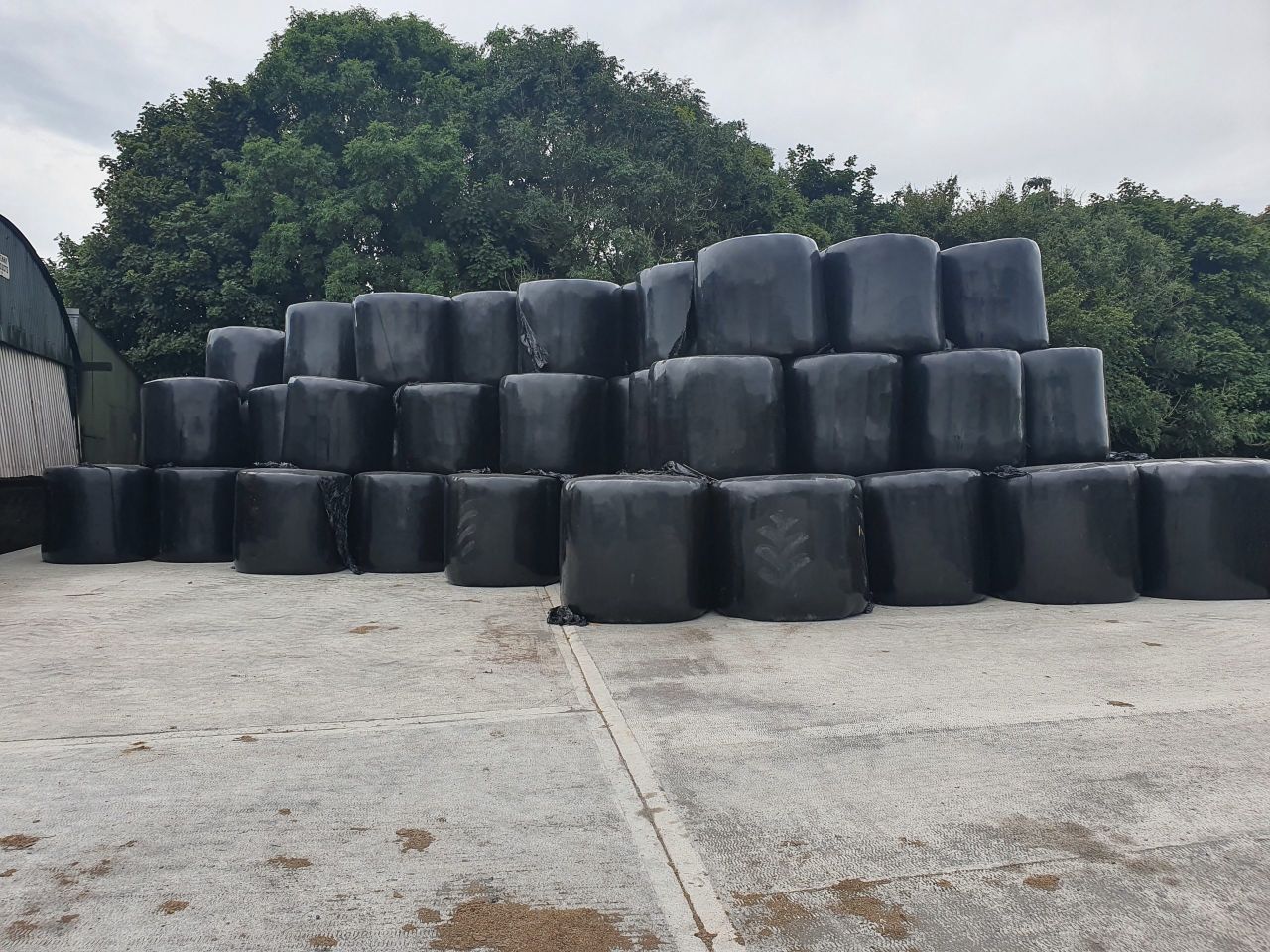
Farmers are advised to fill feed gaps with grass, grass silage, concentrates (though Teagasc said this should be limited to 6kg per cow per day) and buffer feeds.
Quality silage should be prioritised, and farmers should consider reducing daily demand by off-loading stock (such as cows with high somatic cell counts, cows not-in-calf, and cattle fit for selling).
Farmers should also consider bringing in extra land; for example, short term grazing agreements with neighbouring landowners.
Water
The recent weather conditions have also put pressure on water supplies.
Teagasc has advised farmers to ensure cattle have an adequate supply of clean water, with capacity for this to be refilled.
Farmers should also look at sourcing additional water to take pressure off wells.
On fertiliser and slurry, Teagasc said that farmers should wait for rain before spreading nitrogen or slurry.
The sward should be green, tillering and actively growing before spreading.
Cashflow and outlook
According to Teagasc, farmers need to look at their cashflow and allow for additional feed costs.
Spending on forage purchases should be prioritised at this moment in time.
Looking ahead to the coming winter, Teagasc said farmers should plan for third cuts if conditions allow.
They should also consider low quality forage options during the winter.
Also, farmers should consider reviewing their stock numbers for autumn and winter.
Teagasc said that "a key learning" from the fodder surveys that have been carried out is that farmers need to plan for a reserve of forage over and above normal winter requirements.
However, the advisory body said that the situation is fluid and must be kept under constant review, as there may be opportunities to rectify, or partially rectify, fodder shortages in the next four to six weeks if the weather allows.
Teagasc said that advice for farmers will vary by region, depending on the severity of the drought.