Could a 'flying herd' work for you?

With updated slurry storage rules barrelling towards us, taking to a 'flying herd' system may be a reasonable choice for some farms.
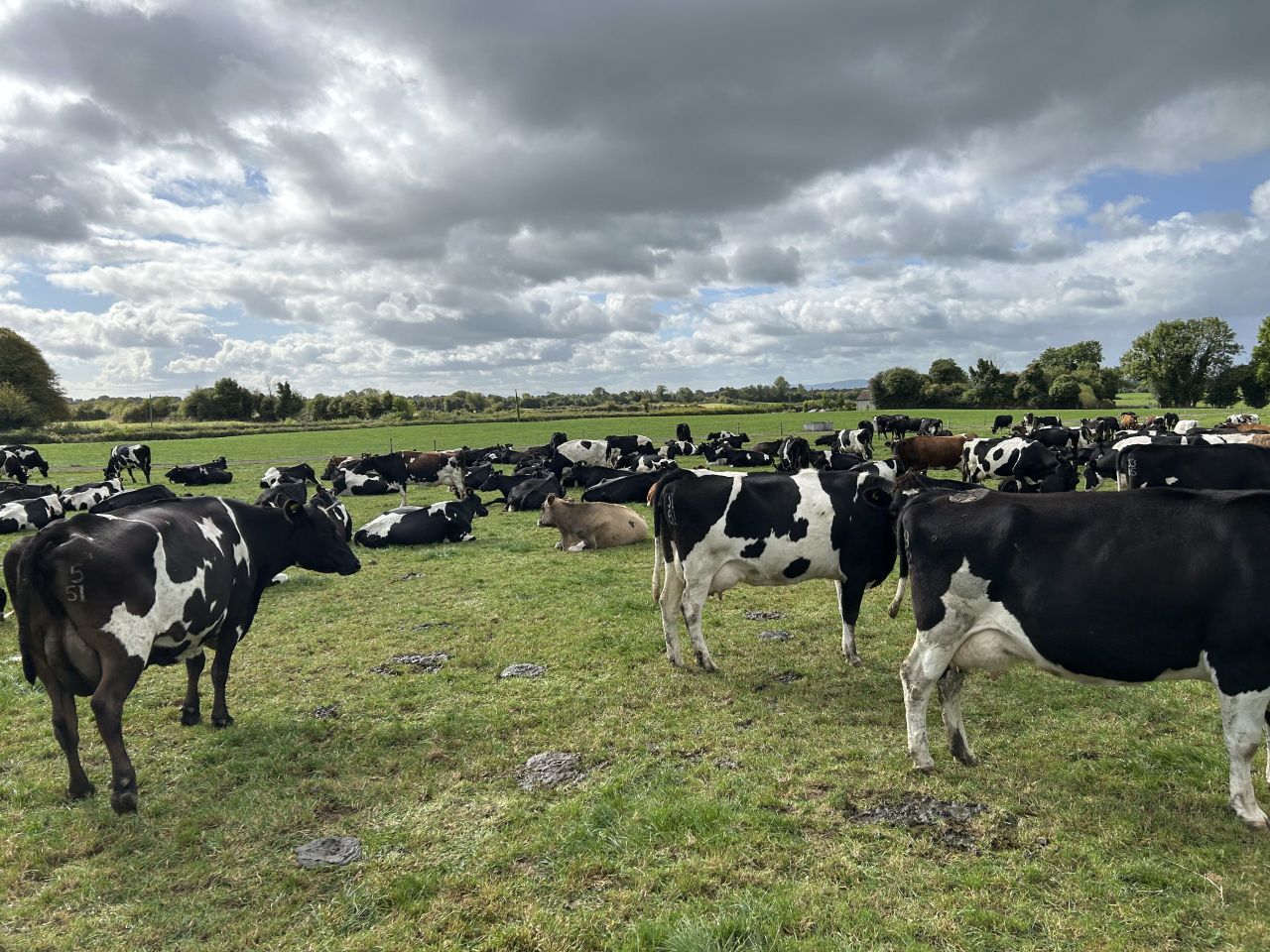
The term 'flying herd' refers to when a dairy herd is kept only for milk production.
A farm operating a flying herd system sells all their calves each spring, and then buys in any replacement heifers.
This means the farm is only ever left with cows that are producing milk and making the business money.
The system was a strong option a few years ago when farmers were worried about reducing their organic stocking rate.
It is now once again a possibility for farms that are unable to meet the updated slurry storage regulations by 2028.
Flying herd
Switching to a flying herd is not just beneficial for freeing up slurry storage and altering your organic stocking rate - it can also be one of the quickest ways of improving your herd's genetics.
Poor genetics and a lower Economic Breeding Index (EBI) in a herd often arises from the overuse of dairy stock bulls or a focus on individual traits in isolation, such as milk volume only.
Using a high EBI team of bulls will improve the quality of replacements entering the herd but, unfortunately, a change in breeding strategy will take five to seven years to have any significant impact on herd performance.
For farmers that want to improve their herd's genetics over a short space of time, the best way of doing this is by purchasing high EBI replacements and breeding a large amount of your existing cows to high-quality beef semen.
The replacements that are available to purchase from the highest genetic merit herds nationally are far superior to any replacements that you could breed yourself if your herd currently has a low EBI.
By buying in these high genetic merit heifers, they can then be used to produce the herd's replacements going forward, which will accelerate genetic gain even further.
Heifer considerations
While heifers being purchased should be of a high genetic merit, there should also be a focus on fertility with a good potential for milk solids.
Ideally, the heifers should be artificial insemination (AI)-bred and calving in early February or March, if it is spring calving replacements you are purchasing.
One disadvantage to buying in replacements and having a flying herd is that you could potentially be buying in stock carrying disease.
If you are operating a system like this, it is crucial that you purchase your replacements from a herd with a verified low disease risk and take all relevant precautions when transferring the stock to the farm.
Find out the disease status of the herd, whether they have had a TB outbreak within the last couple of years, and what the vaccination protocol is on the farm.
Another downside to a flying herd system is your exposure to the market.
Buying in high quality heifers can be expensive, as well as time consuming if you do not have a direct source.
You will however have better calf sales a result of having all beef calves.