€4.8m project targets methane cuts in livestock

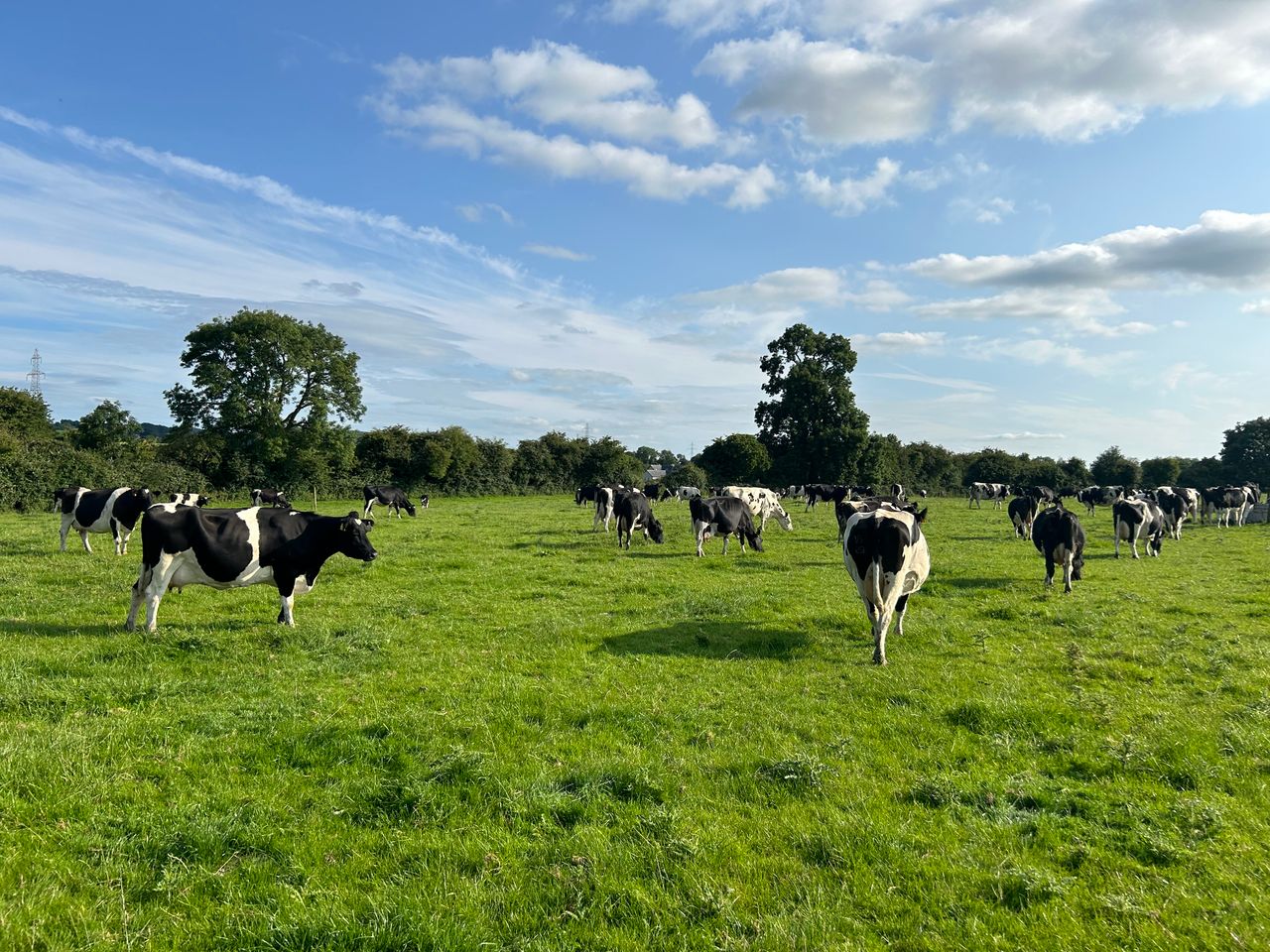
A €4.8 million project funded by the European Union will use microbiome science in a bid to reduce methane emissions from livestock.
Rumen-Innovate, due to launch in March 2027, will bring together 11 institutions and 19 industry and research partners across Europe to train the next generation of ruminant microbiome scientists.
Ruminant microbiome scientists study the bacteria, archaea, protozoa, and fungi living inside the digestive tracts of animals like cows and sheep.
Their research focuses on improving animal health, boosting feed efficiency, and reducing agricultural methane emissions.
Led by Queen’s University Belfast, the new network will recruit a total of 15 doctoral candidates for the project.
Building on extensive existing datasets, the scientists will be trained to "revolutionise direct-fed microbial applications and sustainable ruminant production".
Methane
Cattle and sheep produce a significant amount of methane, a greenhouse gas (GHG) that is far more potent than carbon dioxide (CO2) in the short term.
The project aims to develop "practical tools" that work at the level of the trillions of microbes living inside these animals, with the goal of reducing those emissions directly on the farm.
Prof. Chris Creevey from the School of Biological Sciences, Institute for Global Food Security at Queen's University is the coordinator of the project.
"Rumen-Innovate represents an exciting opportunity to directly translate research into action, addressing some of the most pressing challenges facing ruminant agriculture.
"By combining computational and experimental approaches and maintaining a direct line from fundamental discovery to on-farm application, we aim to position Europe at the forefront of ruminant microbiome science and deliver innovations that make a real difference to farmers, to animals, and to the environment," he said.
University of Galway will host two doctoral students in ruminant microbiome science as part of the project.
Dr Sinead Waters, lecturer in the School of Biological and Chemical Sciences in University of Galway, said participation in the network will allow the university to "contribute to novel transformative research at the intersection of microbiome science, animal production, and climate action".
"Importantly, this collaboration will produce highly skilled researchers and technologies with real-world impact for the livestock sector," she said.