Deadline looms: Slurry storage upgrades must start before April

Farmers need to have the ball rolling by April if they wish to have slurry storage updated on time for the new regulations.
That is the advice from Tirlán specialists, who say the whole process can take up to and even over 20 months.
New rules for slurry and soiled water storage are set to kick in from October 1, 2028.
While this seems like quite some time away, in reality, the 25 months between now and then will fly by.
This will especially be the case when going through the Targeted Agriculture Modernisation Scheme (TAMS) and looking for planning permission, both of which are long processes.
Slurry storage
As it stands, farmers need slurry storage space of 0.33m3/cow/week, as well as 0.21m3/cow/week for soiled water.
That means a farm with 100-cow herd in an area which requires 20 weeks' storage currently needs 660,000L or 145,180gal of slurry storage.
However, from 2028, dairy farms will need 0.4m3/cow/week of slurry storage, meaning the same farm will then require 800,000L or 175,975gal of storage, a 140,000L increase.
Soiled water storage is also increasing to 0.3m3/cow/week, meaning 100 dairy cows being milked in "critical times" will need an additional 36m³ for the month that spreading soiled water is restricted.
Tirlán have provided the following guideline for the timeline involved in upgrading nutrient storage facilities:
| 0-3 months | Assessing farmyard requirements |
| 3-6 months | Planning permission process |
| 3-9 months | TAMS process |
| 3-9 months | Building phase |
TAMS
With poor milk prices and high costs this year, cash flow is tight and the last thing any farmer wants to be doing is spending.
But if you have insufficient storage, it will need upgrading at some stage either way.
TAMS 3 tranche 13 opened on June 20 and is set to close again on September 4, while tranche 14 will close on December 4.
Under tranche 12, there was a 75% rate of selection for the Animal Welfare Nutrient Storage Scheme (AWNSS).
Therefore farmers need to be precise with their applications, seeking assistance from local agricultural advisers around current and future regulations as well as eligibility and designing.
Farmers will also need to go through the building specifications with an engineer and planner to make sure the build meets TAMS 3 specifications.
Planning permission will also be a slow process, but investments under the Nutrient Storage Investment Scheme require it.
Once planning permission is received, farmers can submit their application through the TAMS 3 portal, ensuring that all documents are included.
These fixed investments should not begin until full approval is secured, which may take up to five months from the closing of the tranche.
Cost breakdown
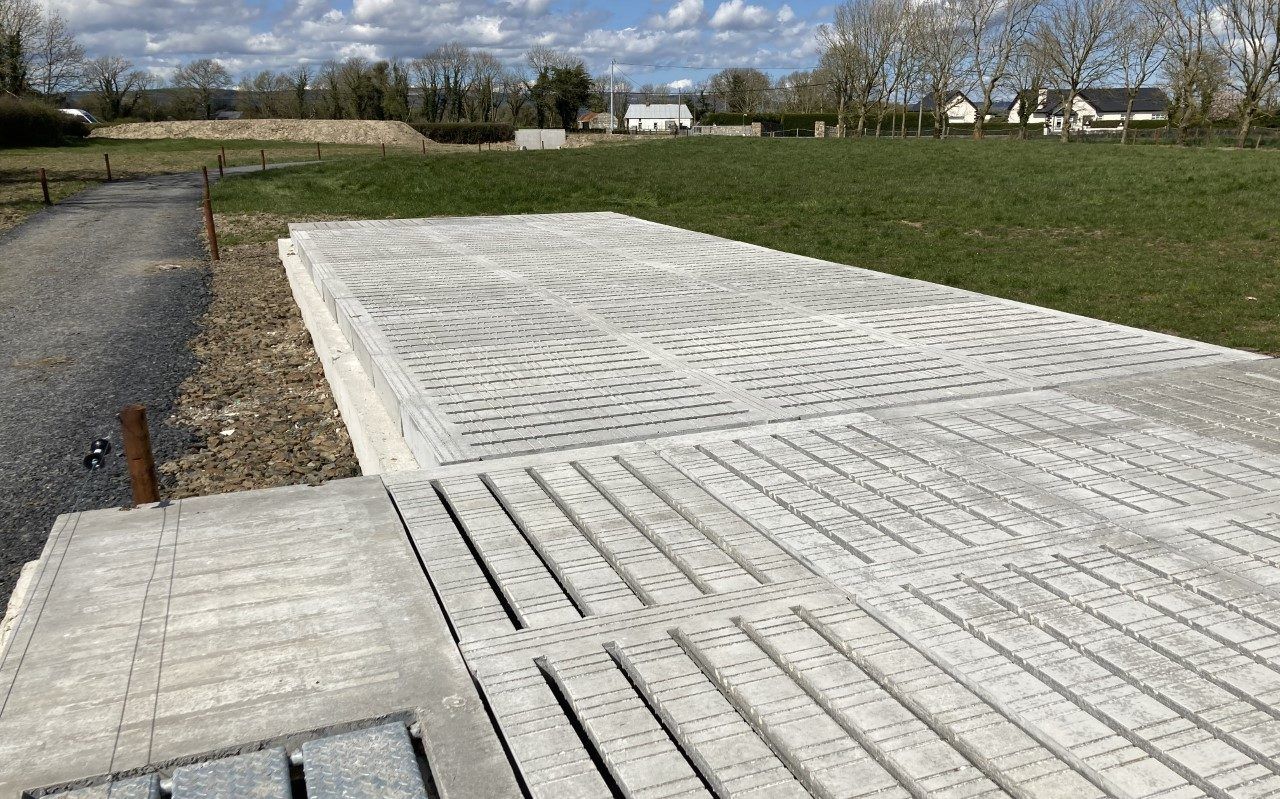
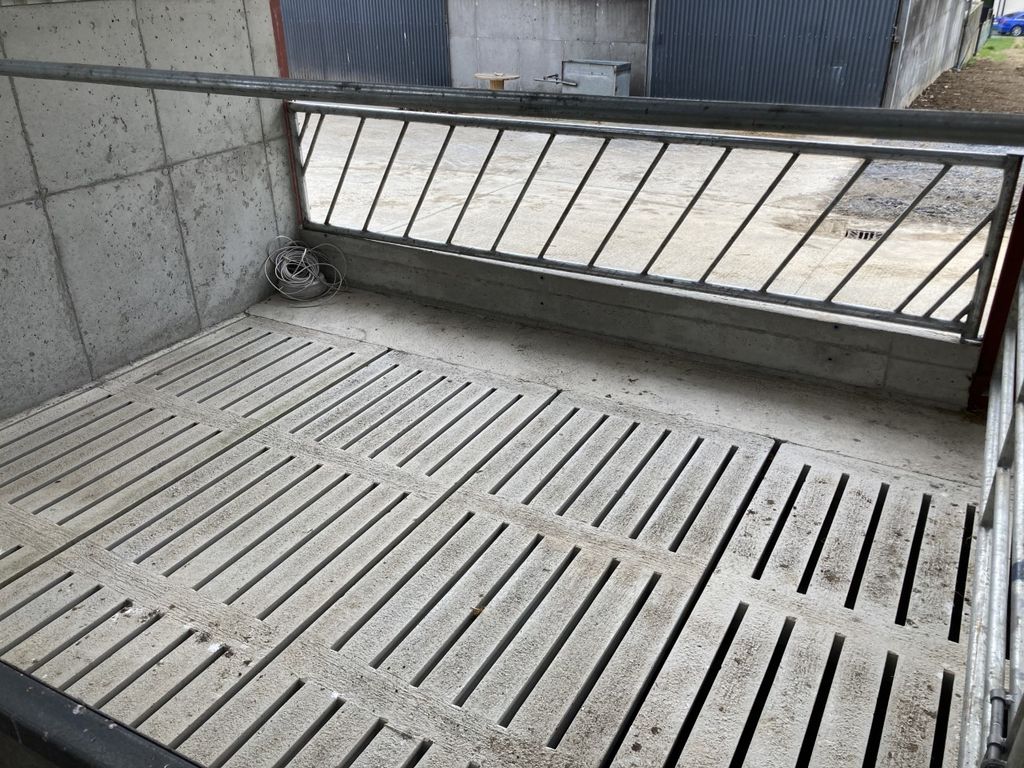
Tirlán noted that an increase of 250g/cow may require a 50ft x 12.5ft tank, with 8ft-plus HD slats.
DAFM has priced the tank at €15,900, and the slats at €4,500, coming to a total cost of €20,400, although prices have increased since DAFM's updated reference costs were published in 2025.
A 60% grant would see a return of €12,240, while tax savings over two years at 30% could also save you €2,500.
That would leave you with a net cost of €5,660, or a net cost of €57/cow for the average herd.
Meanwhile, increasing soiled water storage by 200g/cow would require a 40ft x 12.5ft tank with 8ft-plus HD slats.
Under DAFM costings, the tank would cost €13,300 while the slats would cost €3,600, which equals €16,900.
A 60% grant would see €10,140 knocked off that, while tax savings over two years at 30% would reduced the total cost by a further €2,000.
That would leave the total cost at €4,760, or €48/cow for the average herd.
To increase both slurry storage and soiled water storage, you are looking at a total cost under DAFM pricing of €37,300, or a price of €10,420 if grant approved and tax-saved.
It may seem like a large investment, but at €105/cow it should be manageable and save you from non-compliance when October 2028 rolls around.