Govt called on to provide 'rural mobility dividend' amid fuel crisis


The government has been called on to provide a 'rural mobility dividend' payment to combat the rising fuel costs for people living in rural areas.
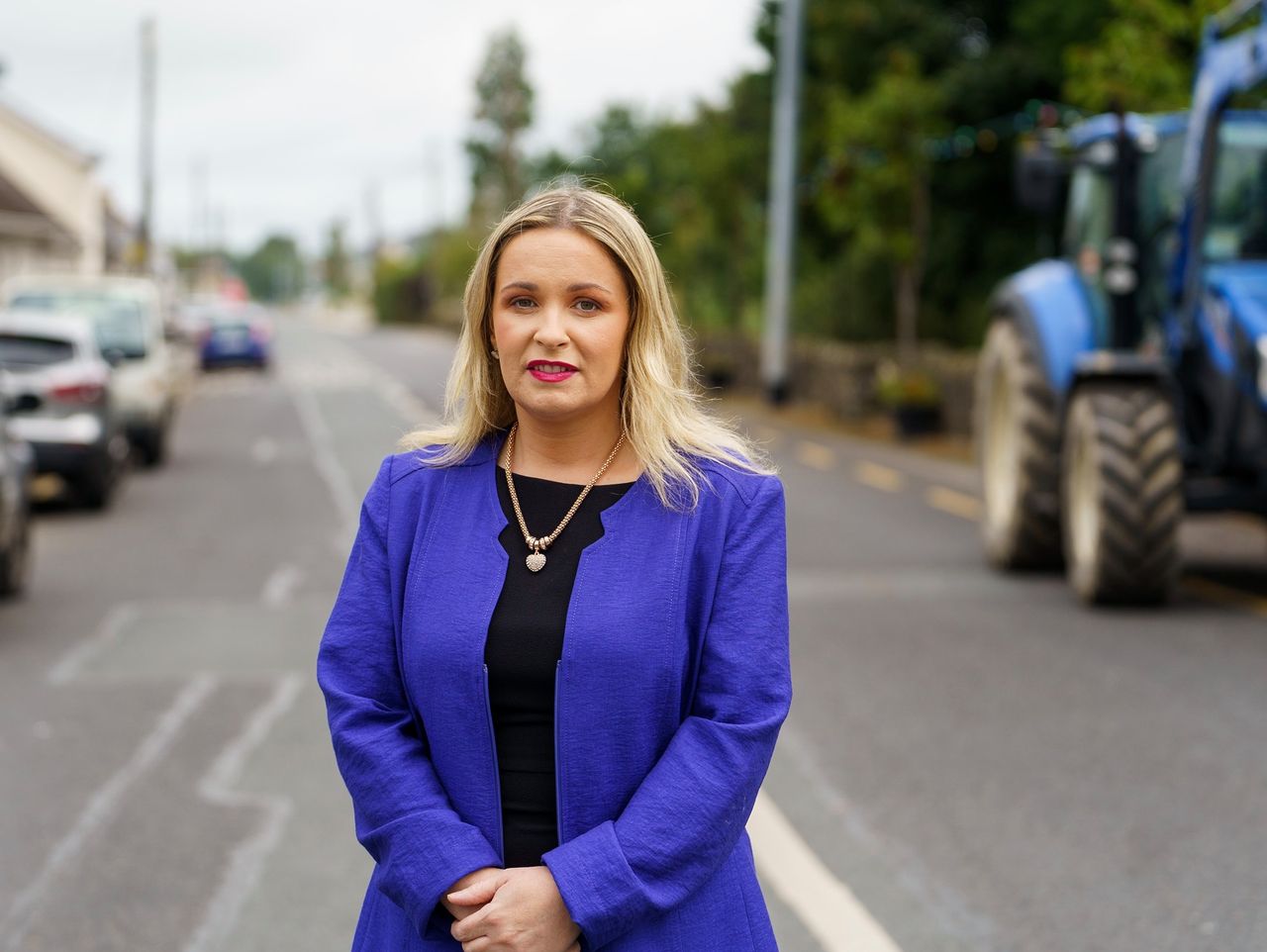
TD Carol Nolan said that concerns raised this week by the association representing contractors "underlines a wider failure by government to grasp the realities of rural mobility and rural work".
The Association of Farm and Forestry Contractors in Ireland (FCI) called for the full budget of €100 million for the Fuel Income Support Scheme to be kept within the agri-sector.
€85 million of that was earmarked for farmers and contractors. However, only about €27 million of that is expected to be drawn down.
According to Nolan, the contractors are "right to insist that the funding must not be diluted of diverted".
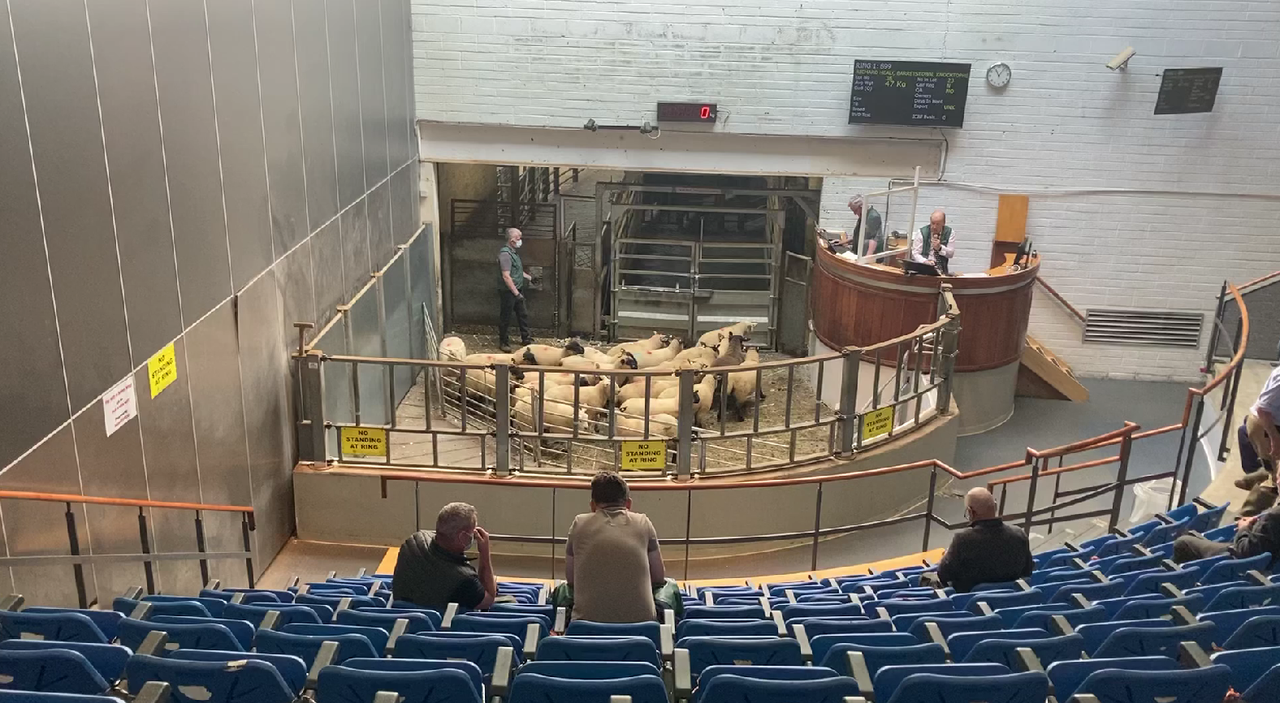
The Offaly TD met with contractors at the Tullamore Show & FBD National Livestock Show last weekend.
"All of them mentioned, in one form or another, their clear view that government's approach of treating rising fuel costs as a temporary inconvenience rather than a structural reality that affects every aspect of rural life is no longer sustainable," she said.
Nolan added that "short-term subsidies or politically convenient excise tweaks are not viable solutions" for rural households and workers.
"I think we are at the point when we really should be considering longer term measures along the lines of a rural mobility dividend or a dedicated support payment, recognising the unavoidable transport costs faced by rural families, rural workers and rural apprentices," she said.
"This would finally acknowledge that people in rural Ireland cannot simply reduce car use or switch to public transport where these options do not exist," she said.
According to Nolan, rural workers have no access to viable public transport alternatives, or face long and costly daily commutes.
"If ministers want more builders, electricians, plumbers and skilled workers, then they must make it financially possible for young people to travel.
"A rural mobility dividend would be a practical and targeted way to support apprentices and strengthen the workforce that government policy depends on," Nolan added.