Opinion: BYDV trials updates needed as recommended winter cereals list due

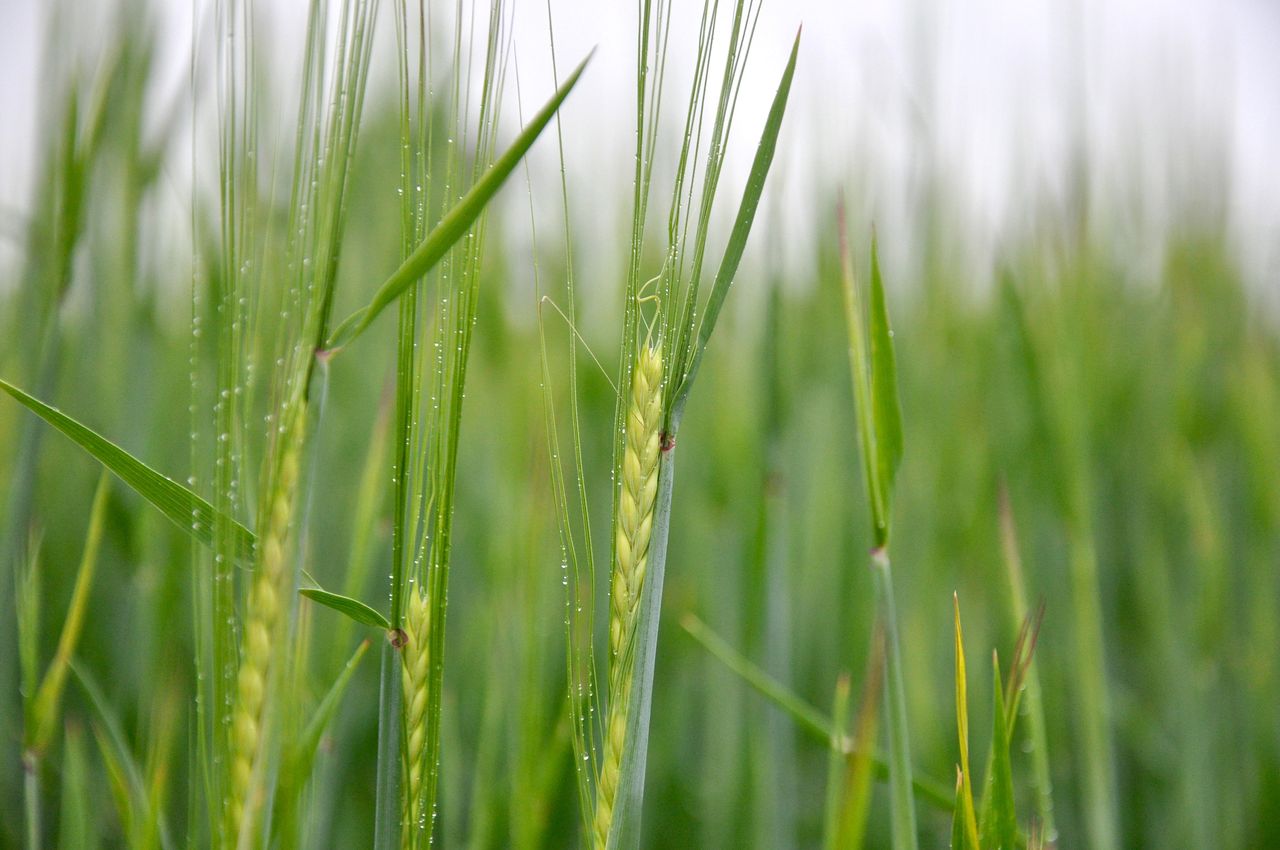
The Department of Agriculture, Food and the Marine (DAFM) will shortly publish its recommended lists of winter cereal varieties.
And, no doubt, they will continue to reflect trends within the world of plant breeding that have come to the fore over recent years.
Where winter barleys are concerned, the big breakthrough of late has been the building-in of Barley Yellow Dwarf Virus (BYDV) tolerance.
Well over 50% of seed stocks sold last year had this reputed characteristic, with the trend set to gain further momentum in 2026/2027 and beyond.
Over time, it is envisaged that tolerance to BYDV will morph into full-blown resistance to BYDV.
Trials
But just how tolerant are the current varieties of winter barley?
It is important that Teagasc delivers a timely update on their continuing research work where this matter is concerned.
At this stage, two full years of trial results should be available.
Teagasc should publish an overview of what they are finding out prior to the middle of September when the planting of winter barley starts in earnest.
Where winter wheat is concerned, BYDV tolerance is fast rising up plant breeders’ list of priorities.
At least one new variety of wheat with claimed BYDV tolerance was trialled for the first time by the Department of Agriculture, Food and the Marine in 2025/2026.
Meanwhile, the Agricultural and Horticultural Board (AHDB) in the UK has been given access to numerous wheat varieties with the BYDV ‘X Factor’.
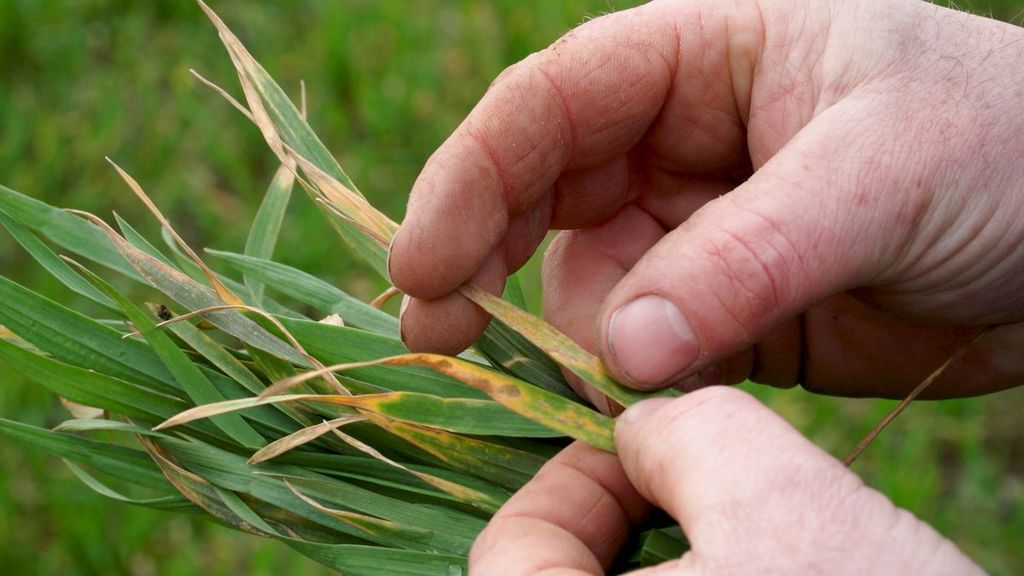
However, the elephant in the room where winter wheat production is concerned remains the breakdown in resistance to yellow rust that kicked in during 2025.
The UK government has provided significant financial support to fast-track the breeding of new wheat varieties with an in-built resistance to the new disease variant.
Time will tell how this work progresses.
DAFM recommended list 2026/2027
On the upside, the range of new winter wheat varieties that Irish tillage farmers can select from continues to increase after a lengthy period of relative stagnation.
And this theme should be firmly endorsed within the DAFM recommended list for 2026/2027.
Winter oat output in Ireland has, pretty much, stagnated over recent years.
However, in contrast the hybrid rye acreage continues to increase.
And this trend is likely to gain further momentum in 2026/2027. Rye has a natural, in-built resistance to take-all.
Adding to the interest in the cereal is the recent publication by Teagasc of an updated Hybrid Rye Growers’ Guide.