Risk of grass tetany in north-west amid 32mm rainfall

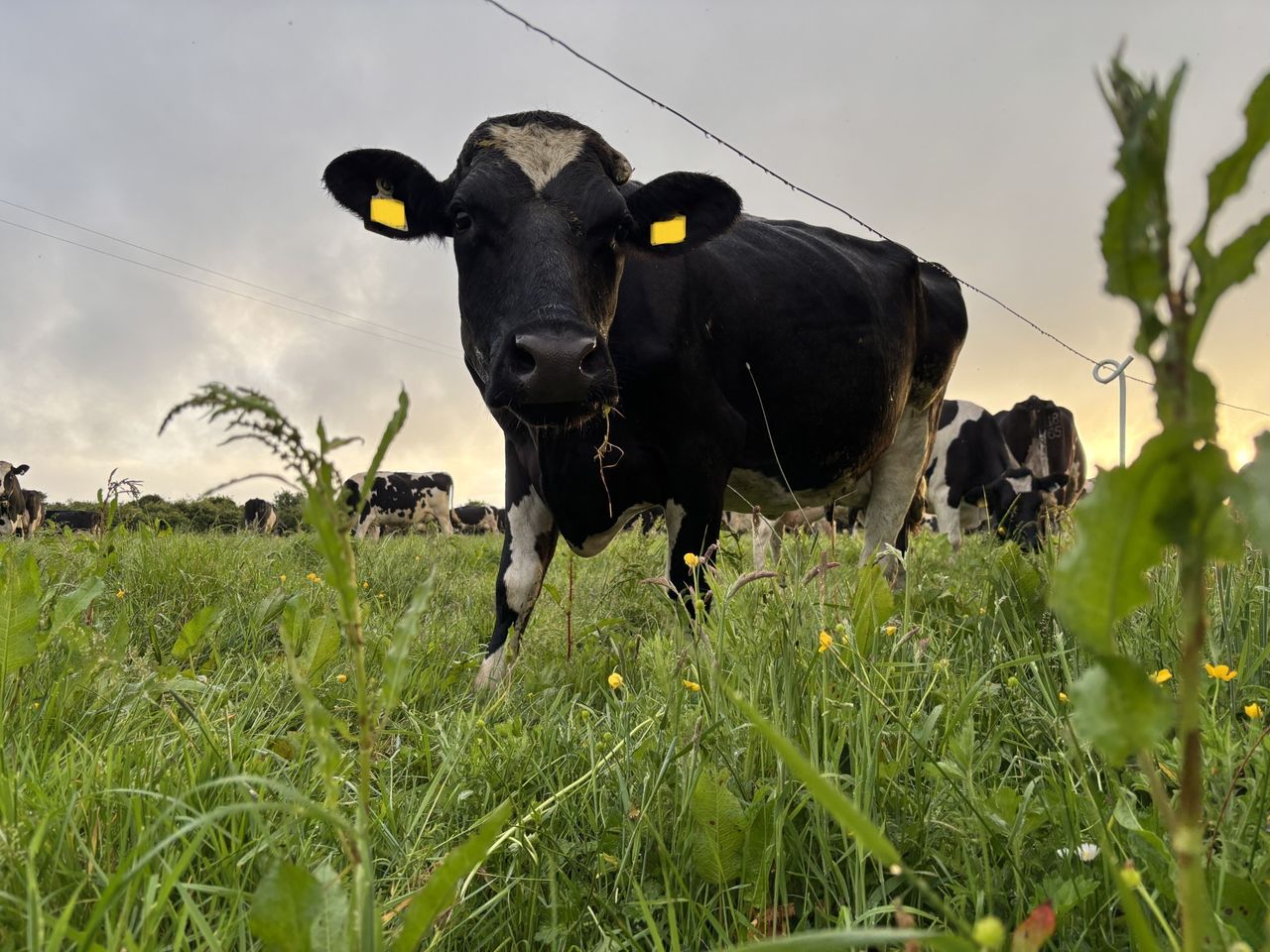
Grass tetany (hypomagnesaemia) can be an issue for many dairy farms during the autumn months, especially once rain starts to fall and grass growth rockets.
As its stands, the country is split in terms of grass growth.
Parts of the north-west have received up to 32mm of rain during the week according to Met Éireann, with grass growth reaching as high as 76kg of dry matter (DM)/ha.
Meanwhile, many farms in the south-east are yet to see rainfall yet, with grass growth as good as non-existent.
Grass tetany
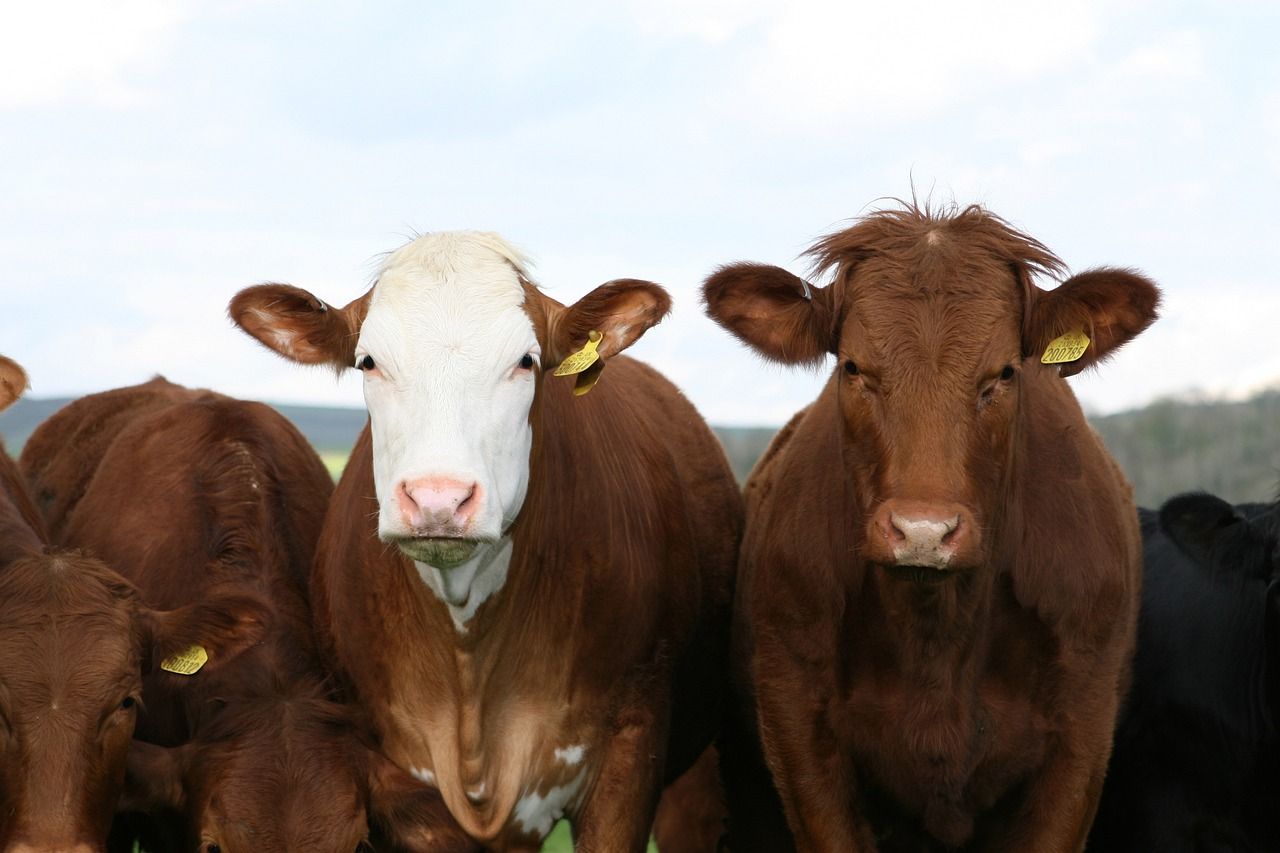
Grass tetany is an acute magnesium deficiency in the blood of lactating cows, which is potentially fatal if it not treated promptly.
The severe magnesium deficiency is a rapidly fatal condition in both beef and dairy cows, and sometimes the only sign of grass tetany is when the animal is found dead in the field.
Cows have a poor capability to store magnesium in the body and must ingest sufficient levels of the element on a daily basis to prevent a deficiency and subsequent disease.
Magnesium is crucial for the nerves and muscles to function properly and if levels comes under pressure, it will quickly affect the movement and temperature of the animal.
Early signs of grass tetany will be the animals becoming excitable, nervous, and unsteady on their feet, which can quickly evolve to cows being unable to stay upright and falling over, with heart failure and death quickly resulting.
In the case of dairy cows, most farmers only think of grass tetany in terms of lush spring grass, but it can be just as common in the autumn months.
As we pull out of a drought, grass that starts to grow quickly can be frequently low in magnesium.
This is especially the case if slurry is spread, as the high potassium levels lock up magnesium uptake.
As well as this, a lot of farms will be keen to get nitrogen applied after six weeks without rain.
However, the nitrogen already in the ground will be causing mineralisation.
Such high rates of nitrogen can result in a rapid passage of forage through the gut and increased ruminal pH, both of which further decrease magnesium absorption.
Low dietary sodium will also block magnesium uptake from the intestine. A cheap way to rectify this issue is the introduction of salt rocks.
Grass tetany often arises from poor feed intake, cold and wet weather, stress, changes in the diet, and when cattle are getting transported.
Treatment and prevention
Treatment of tetany typically involves the administration of magnesium sulphate as soon as possible.
However, as we all know, prevention is better than cure, and it is also a cheaper way of limiting the number of tetany cases on your farm.
Farmers should try and avoid high-risk pastures to limit access to lush, rapidly growing pastures.
If you are feeding a full silage diet, winter fodder may be tight, but ideally cows should still be gradually re-introduced to grass to allow their metabolism to adjust.
A magnesium-treated nut should be supplemented daily, as animals cannot store magnesium in the body.
A constant supply is critical during the shoulders of the grazing season, when risk is high.
The supplementation of magnesium blocks/licks out in the field or in the shed to ensure adequate levels of magnesium, calcium, and other essential minerals is also important.
Another effective way of ensuring cows are receiving their nutrients is to supplement magnesium compounds in the drinking supply.
During September/October grazing, the risk really ramps up, and so pasture-dusting with calcined magnesite every second or third day could be an option