Sponsored
Better welfare can also cut environmental impact on dairy farms


Sponsored by

Animal welfare and environmental sustainability are often presented as competing priorities for dairy farmers.
Improving housing, investing in facilities and meeting higher welfare standards can appear costly, while reducing emissions remains a separate challenge.
However, new research from Italy suggests the two goals may be more closely linked than many producers realise.
A study published in Agricultural Systems in 2026 analysed 231 dairy farms supplying milk for Parmigiano Reggiano cheese production to determine whether better animal welfare was associated with improved environmental performance.
The findings indicate that farms achieving higher welfare standards, particularly through strong herd management, often recorded lower environmental impacts per kilogram of milk produced.
The importance of management
Researchers assessed animal welfare using the CReNBA protocol (the official Italian protocol), which evaluates three main areas: management practices, housing, and equipment, and animal-based measures such as lameness, mastitis, and mortality.
Among these categories, management practices showed the strongest relationship with environmental performance.
Farms scoring highly for areas such as biosecurity, disease prevention, hygiene of drinking water systems, and protocols for care of sick animals generally produced milk with a lower carbon footprint and reduced nutrient losses.
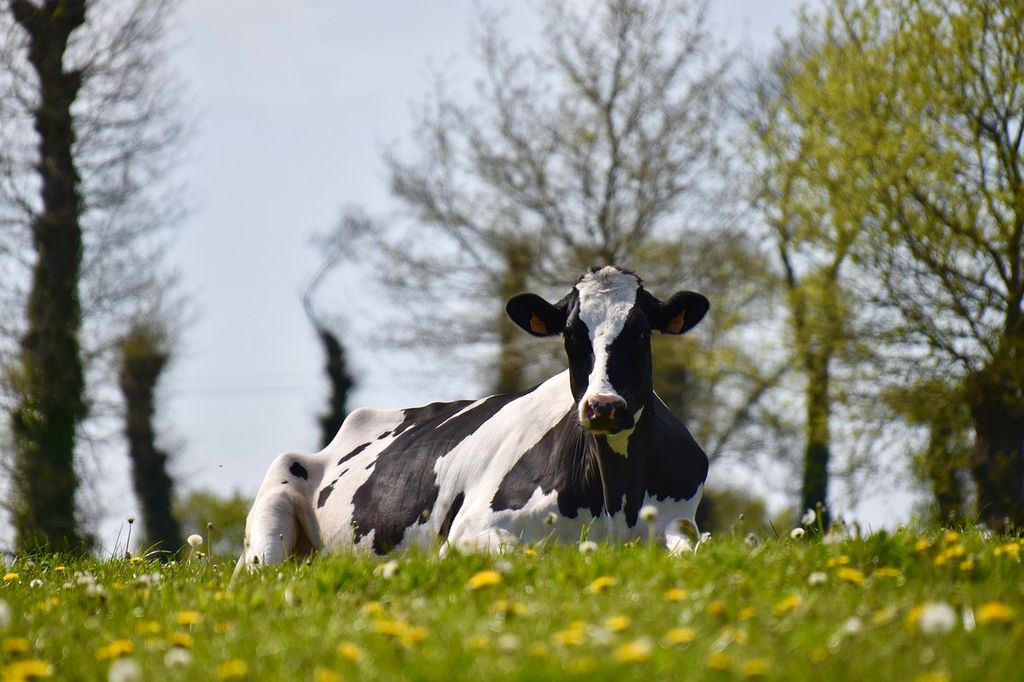
The effect was largely linked to improved efficiency.
Healthier cows tend to convert feed more effectively and maintain higher milk yields.
As a result, greenhouse gas emissions and resource use are distributed across a greater volume of milk, reducing environmental impact per unit of production.
The study reinforces a principle already familiar to many dairy advisers: good welfare often begins with good management.
Productivity and sustainability go hand-in-hand
The average carbon footprint recorded across the farms was approximately 1.6kg CO2 equivalent per kilogram of fat- and protein-corrected milk.
As expected, enteric methane remained the largest contributor to emissions, followed by feed production and manure management.
What stood out was that farms with stronger welfare-related management practices tended to perform better environmentally without sacrificing production.
Rather than identifying a trade-off between welfare and sustainability, the researchers found evidence of potential synergies.
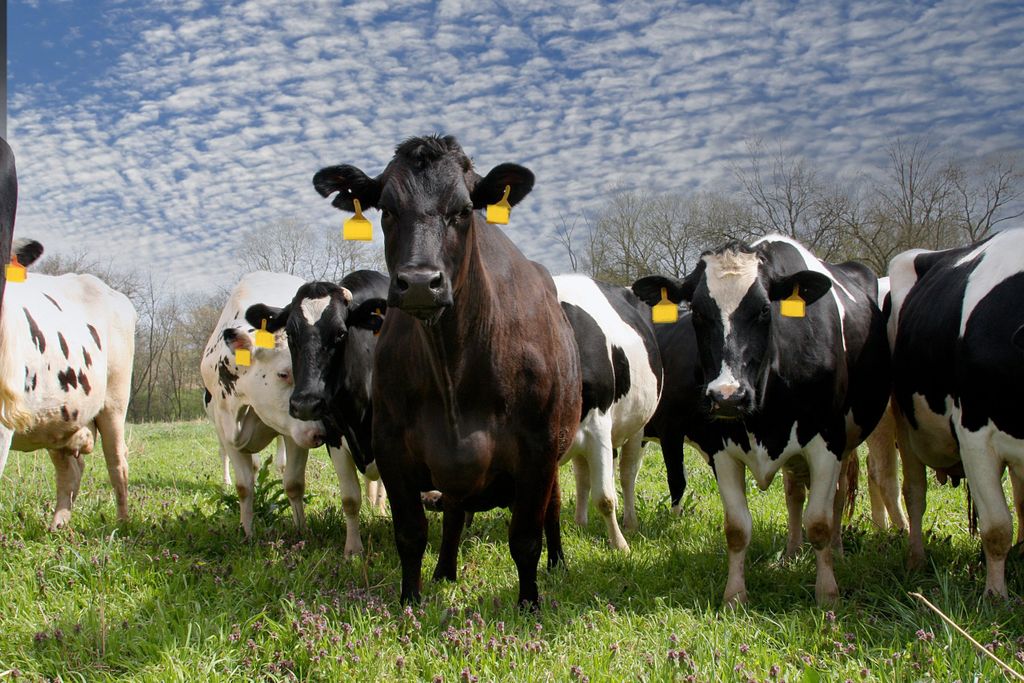
Measures that support cow health can also improve productivity, helping to reduce emissions intensity.
This is particularly relevant as dairy systems across Europe face increasing pressure to demonstrate progress on both environmental and welfare indicators.
Welfare investments need to deliver results
The study also found that improvements in housing and infrastructure alone did not consistently translate into lower environmental impacts.
Modern facilities remain important for animal welfare and regulatory compliance, but the results suggest that physical investments are most effective when accompanied by strong herd management and health programmes.
Similarly, animal-based indicators such as lower lameness and mastitis levels were associated with positive welfare outcomes, although their direct relationship with environmental performance was less pronounced than management measures.
This highlights a key message for dairy farmers: new buildings and equipment can support welfare improvements, but management decisions remain the primary driver of both productivity and environmental efficiency.
What this means for dairy farmers
While the research was carried out within the Parmigiano Reggiano production system, the findings are relevant well beyond Italy.
The results suggest that practical actions such as improving biosecurity, maintaining clean drinkers for animals, and strengthening herd health programmes (e.g., for lameness or mastitis prevention) can generate benefits across multiple areas of farm performance.

For producers facing increasing scrutiny over emissions, the study offers an encouraging message.
Improving animal welfare does not necessarily increase environmental burdens. In many cases, the opposite may be true.
As policymakers, processors and consumers continue to demand higher standards, farms that focus on efficient herd management may be best placed to meet both welfare and sustainability targets.
The research indicates that healthier cows are not only a welfare objective but also an important component of reducing the environmental footprint of milk production.
INTAQT is a five-year research project funded by the European Union's Horizon 2020 (H2020) programme.
The project explores the relationship between livestock production systems and the quality of chicken and cattle products.
Through the concept of "One Quality", INTAQT aims to demonstrate that safe, nutritious and enjoyable animal products can be consistently produced in both extensive and intensive farming systems while supporting more sustainable livestock production.

Sponsored by