Polled genetics and docility key at Roundhill Limousin farm walk
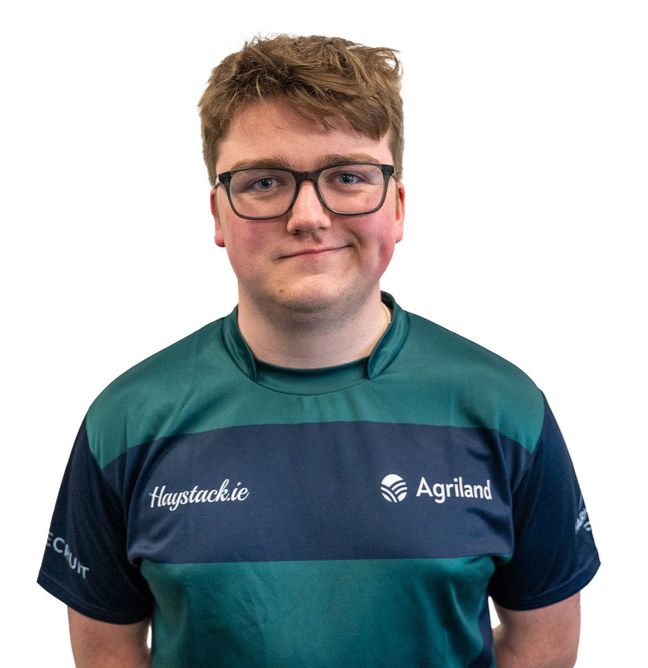
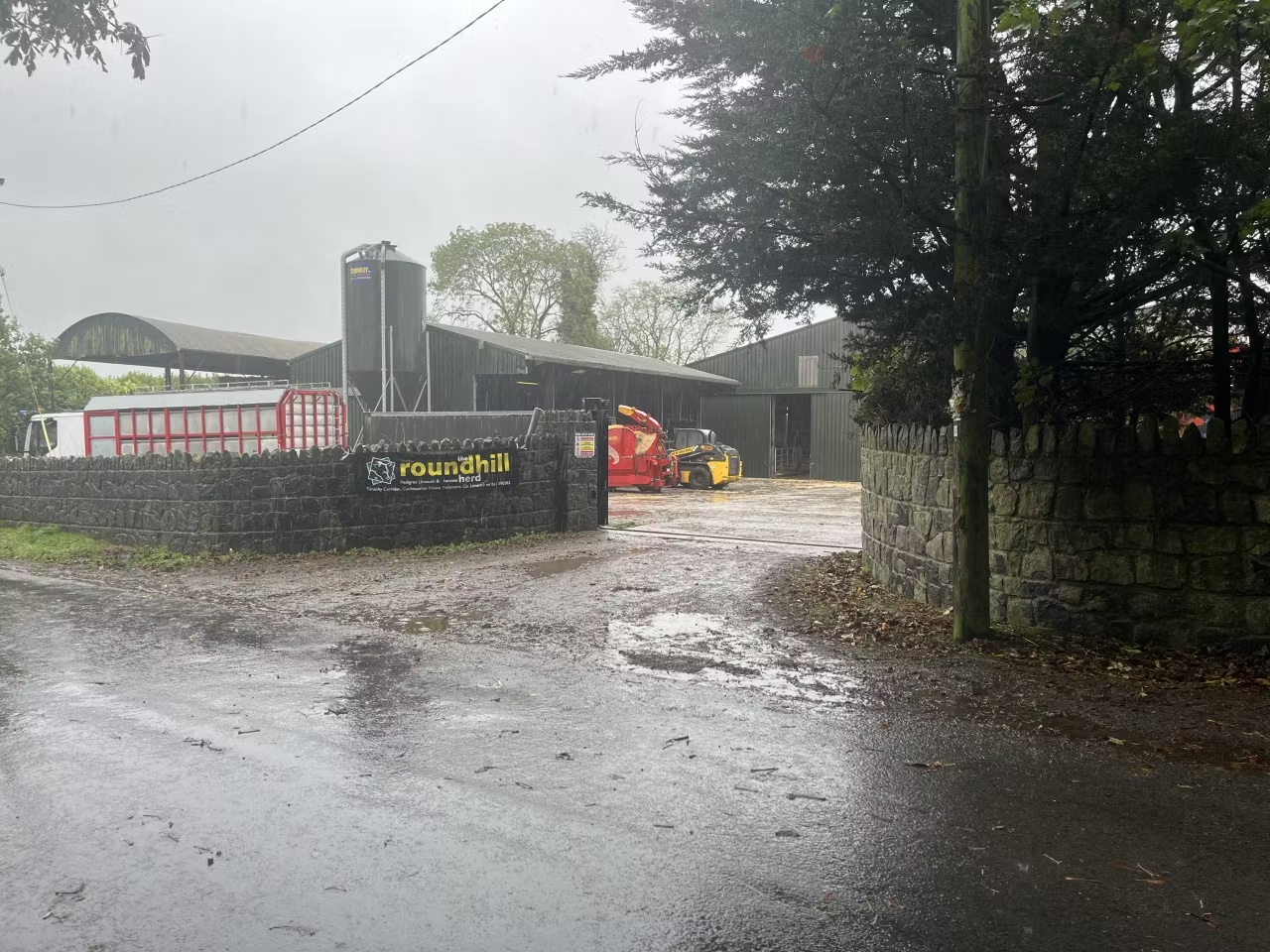
A focus on polled genetics, docility and pedigree breeding was at the heart of a beef farm walk at Roundhill Limousin in Co. Limerick.
Located in Fedamore, Co. Limerick, Roundhill Limousin is a family-run 200-head pedigree Limousin herd.
Doreen Corridan runs the farm with her husband Timothy, daughter Katie, and with the assistance of Shauna Canny.
Farm walk
The farm walk took place as part of the 2026 Macra National Conference, which took place at the Fitzgerald Woodlands House Hotel and Spa in Adare, Co. Limerick.
Corridan explained that she knew two "heavily involved" members of the local Macra group, Eamonn Shanahan and Louise Crowley, who are from the area "so we said of course we'd host".
Corridan described how the farm's pedigree herd is managed: "We calve down between 80 and 90 pedigree Limousin.
"We're different than normal in the sense that we've been breeding polled Limousin now for about 12 years, so all the animals are either homozygous or heterozygous."
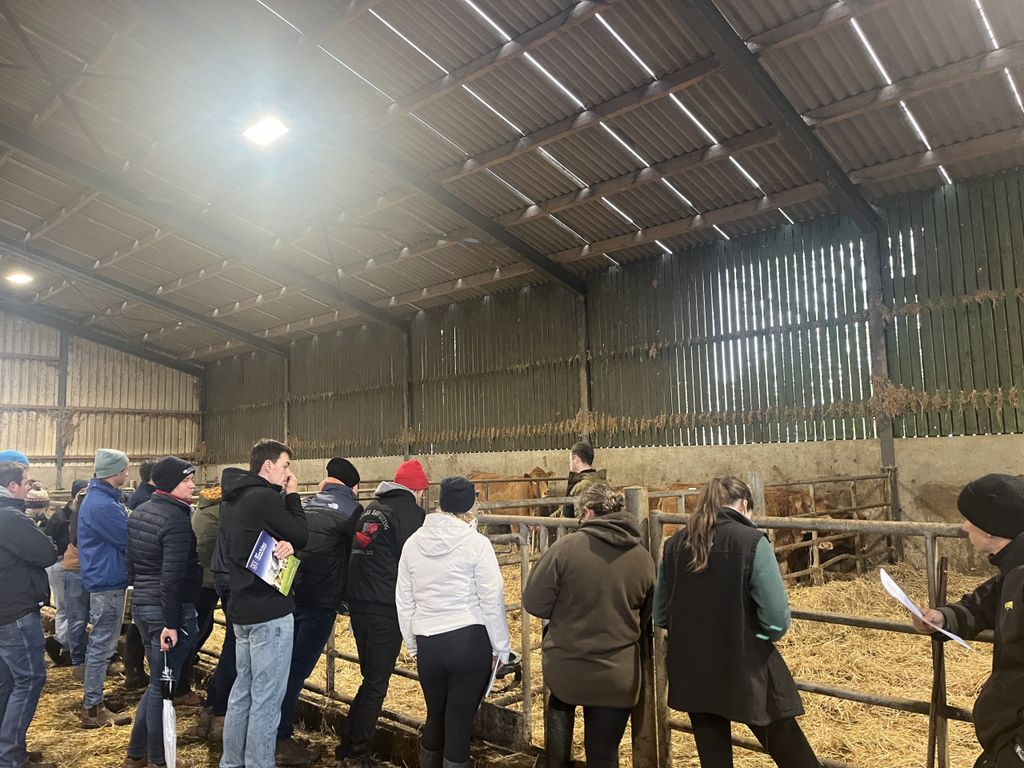
On the farm walk, Corridan outlined through what they do on the farm in terms of genetics, the use of artificial insemination (AI), and sustainability.
"In relation to the selecting of the breeding females, we had Martin 'Murt' Ryan here from NCBC (National Cattle Breeding Centre)," she said.
Ryan spoke about the importance of factors such as length, width, correctness and functionality when choosing a heifer or cow.
Docility
Corridan added that docility, having enough milk and the ability to "deliver a good calf every 365 days" are also considerations that Roundhill Limousin takes into account.
According to Corridan: "The key with docility is to keep pulling out any of the ones that have poor temperament, and not to be tempted to keep them."
She attributed her appreciation of docility in the animals to the early involvement of her daughter on the farm.
"When Katie was very young, I couldn't keep her out of the calving shed, because she was so excited by the calves that were coming.
"I knew I wouldn't be able to watch her, so I sold the poor-tempered cows and the ones that got difficult around the time of calving, and once they're gone, they're not going to breed other ones.
"Over time, you build up good docility, and then you're trying to make sure the sire has good docility," she said.
Corridan also put the good nature of the herd down to the animals being around people, when moved between the 34 paddocks on farm.
"You just get to know them, and they get to know you," she explained.
Shauna's station
While Doreen Corridan and Martin Murphy focused on genetics during a workshop on one side of the shed, Tim Corridan and Shauna Canny delivered another one on the other side.
Doreen Corridan spoke about the workshop that Shauna led, saying: "Shauna's huge into showing, so she did a station here today about putting a halter or snaffle on an animal, training them, feeding them for a show and then preparing them to look best".
In addition to that, Roundhill Limousin showed a vasectomised bull equipped with a chin ball and two cows that it was flushing while showcasing the markings from the chin ball.
Synchronisation programmes for sucklers were also covered, which Doreen Corridan said works effectively, particularly for those farming part-time.
She said: "You don't have to heat detect for 18 days, they'll all come around together.
"When they all come around together, it's easy to pick up the repeats, and then 30 days after AI, the ones you haven't seen, presuming calf, get them scanned.
"Then you've a batch to put together, wean together and sell together, streamlining the whole thing and reducing the workload," she said.