No room for complacency when it comes to IBR this winter

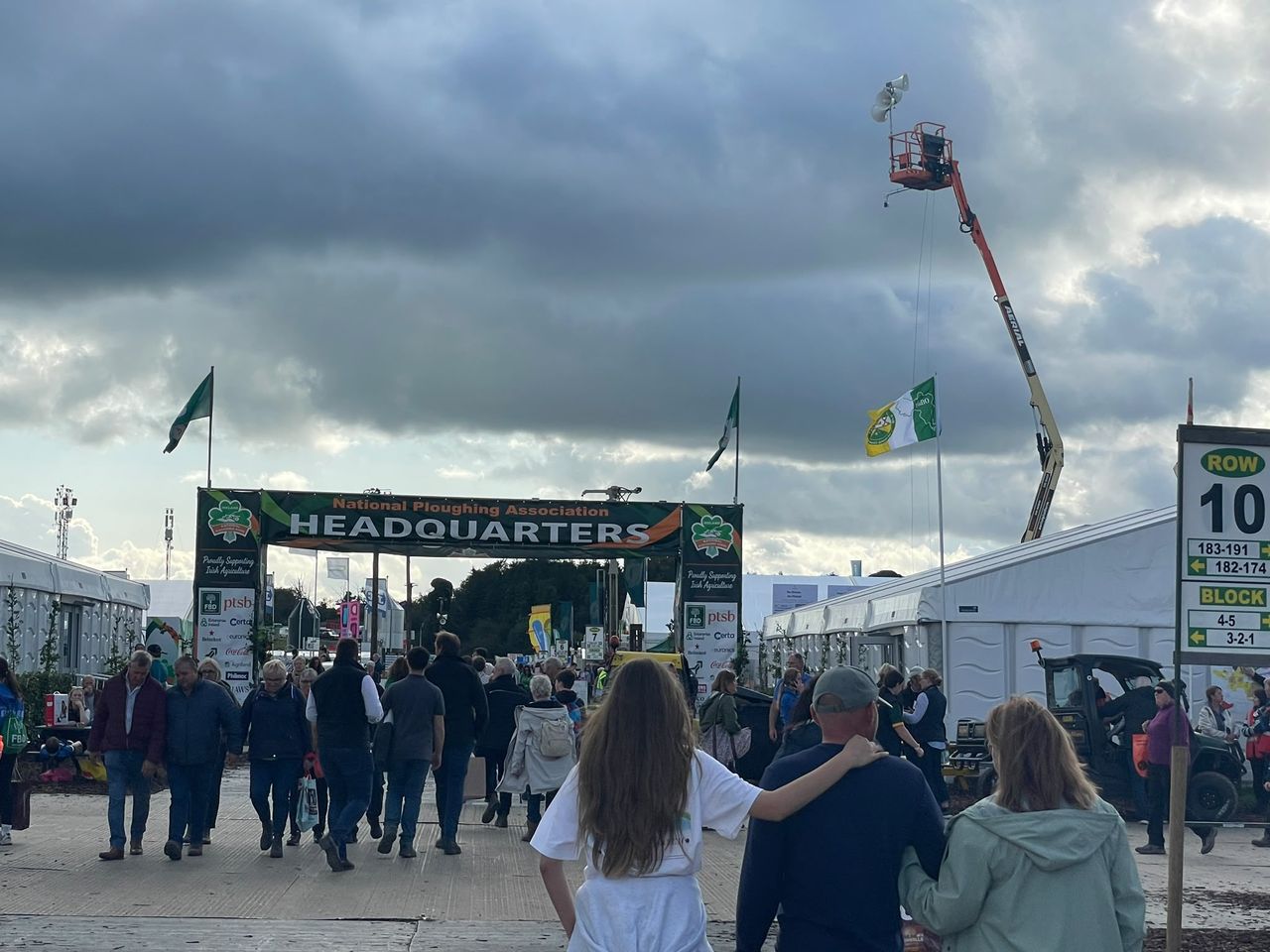
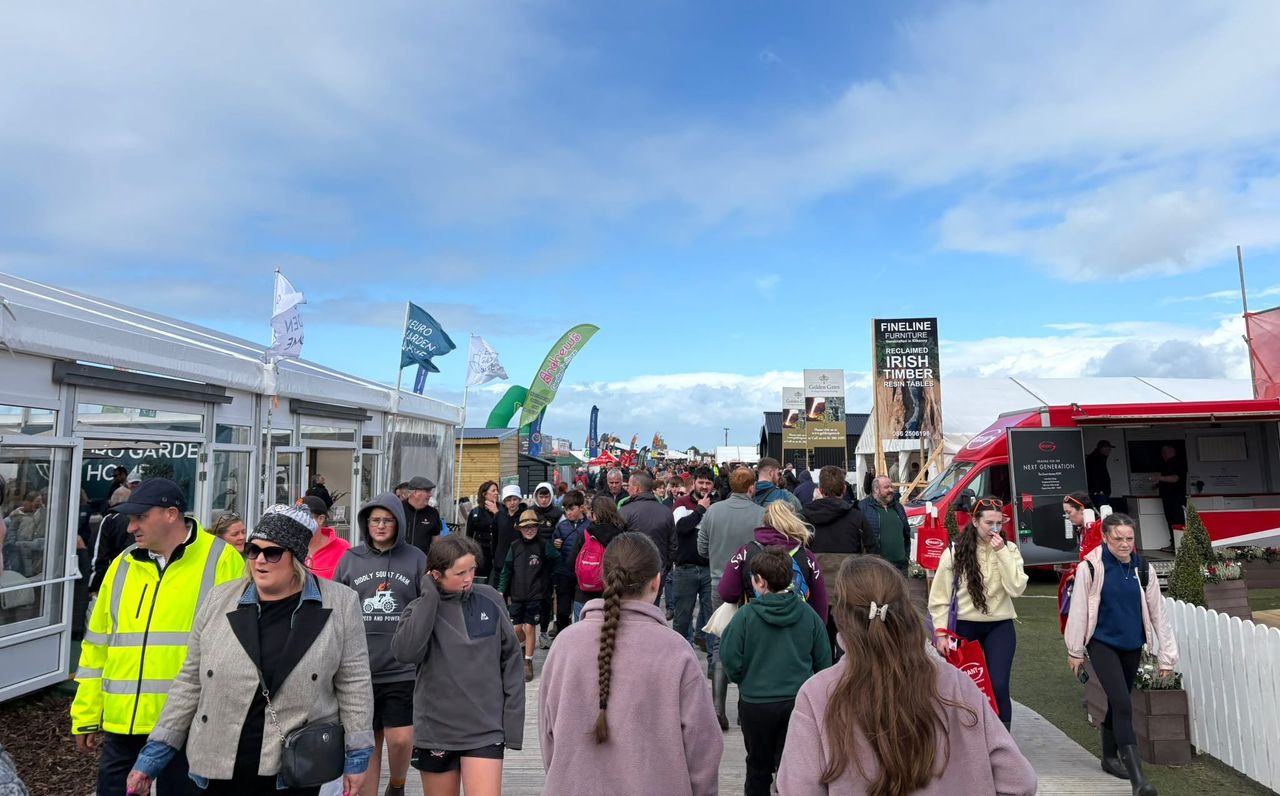
The National Ploughing Championships often acts as a marker for the end of the season, with the nights closing in and winter housing quickly approaching.
However, there is no room for complacency at this stage of the season, especially considering the direction in cash will be flowing for the next few months.
A cash deficit is inevitable for the majority of farms this winter, but keeping the herd healthy will allow farms to bounce back much sooner next spring in terms of profitability.
Therefore, spending money will save money by keeping on top of vaccination programmes and hygiene.
IBR
One of the main health issues to keep on top of when it comes to housing is infectious bovine rhinotracheitis (IBR).
Animal Health Ireland (AHI) previously published research indicating that 83% of Irish dairy herds had at least one positive case of IBR in 2024.
AHI noted that the amount of dairy farms vaccinating the herd had slightly increased from 69% in 2018 to 73% in 2024.
So with 73% of herds vaccinated, yet 83% still recording positive cases, what should farmers be doing to actually keep the disease out?
Identifying and preventing
IBR is caused by an airborne herpesvirus known as Bovine Herpes Virus-1 (BoHV-1), which causes the nose and upper airways of infected animals to become inflamed.
The fact that the virus is airborne allows it to spread easily between animals in close contact, typically up to 5m.
However, the virus can also be spread through people who have been in contact with infected animals, as well as through the semen of any infected bulls.
That is why maintaining high standards of biosecurity on every farm is crucial.
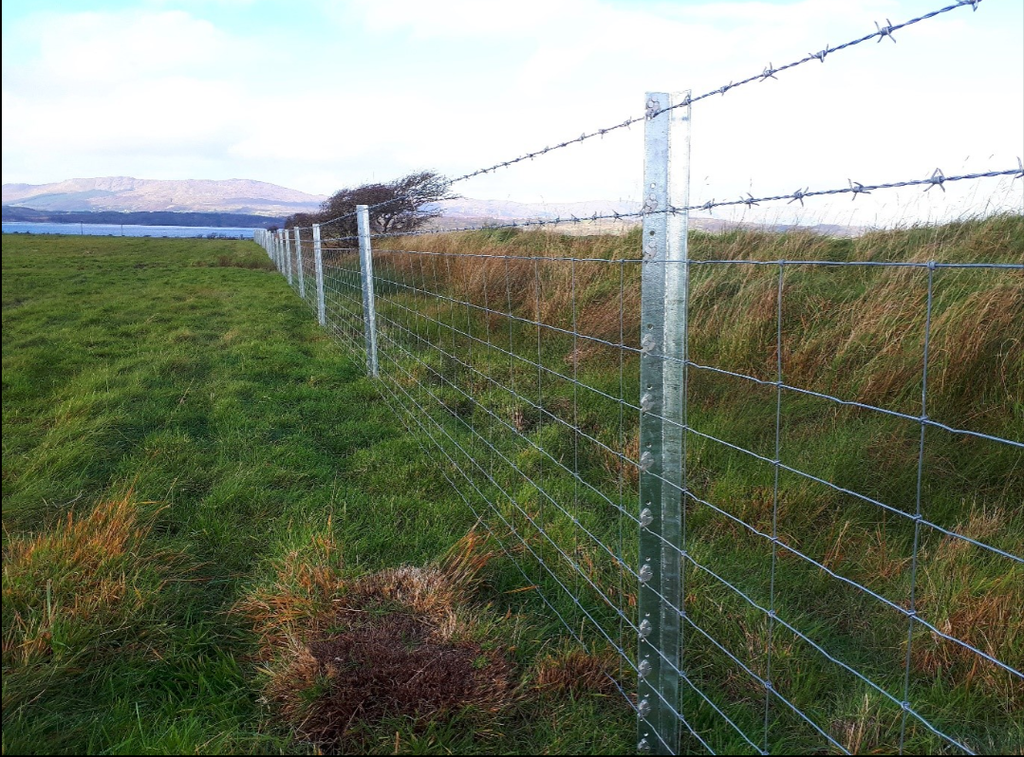
That includes fencing off boundaries properly to eliminate contact with neighbouring animals, and even trying to ensure the herd does not graze a boundary field while neighbours are also grazing on the other side of the boundary.
The ideal situation for dairy farms is to keep a closed herd but understandably, that is not always possible.
If cattle are being bought in, ideally they should be tested first.
Even if they have a clean test, farmers should make sure any purchased stock is still isolated properly for a minimum of four weeks, remembering that the disease can easily spread between pens.
Farms who bring animals to marts or shows should also isolate animals upon return if not sold, as while it may have left the farm healthy, it can return with an infection.
Farms should also set up foot baths for visitors and try to minimise any visitors making contact with the herd.
It may also be worth installing vehicle disinfectant baths as milk lorries, contractors, advisers, and even post vans may have previously visited an infected farm.
And of course, vaccinating the herd to try and prevent any reactivation of the virus in a latent carrier who can spread it throughout the herd.
Clinical signs
However, as many will know, all the precautions can be in place and the disease can still find a way in, so understanding the clinical signs is essential.
Animals which have contracted IBR may show the following symptoms according to AHI;
- Rapid and loud breathing, sometimes with coughing;
- Inflammation inside the nose and in the pink of the eye;
- Inflammation of the throat;
- Fluid discharge from nose and eyes;
- High body temperature;
- Dullness and reduced appetite;
- Sudden reduced milk production or abortion.
At the end of the day, it is worth all farms considering carrying out regular bulk milk tank antibody testing to identify an issues early on and target it before it spreads and hits production.
Latent infection
Latently infected animals may be a large problem in the continued spread of IBR in Ireland.
The animals show no signs of illness but do continue to shed and spread the virus.
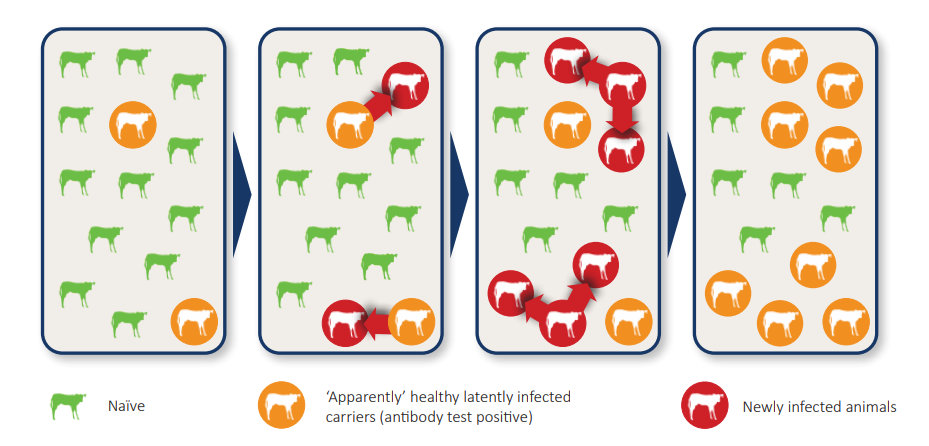
They are not continually shedding the virus, but it can be reactivated during stressful periods or through immune suppression, with the virus the spreading for up to three weeks.
If IBR is an issue in you herd, contact your local vet immediately, as treatment and prevention options will vary.