Nitrate poisoning and bloat risks as grass growth resumes

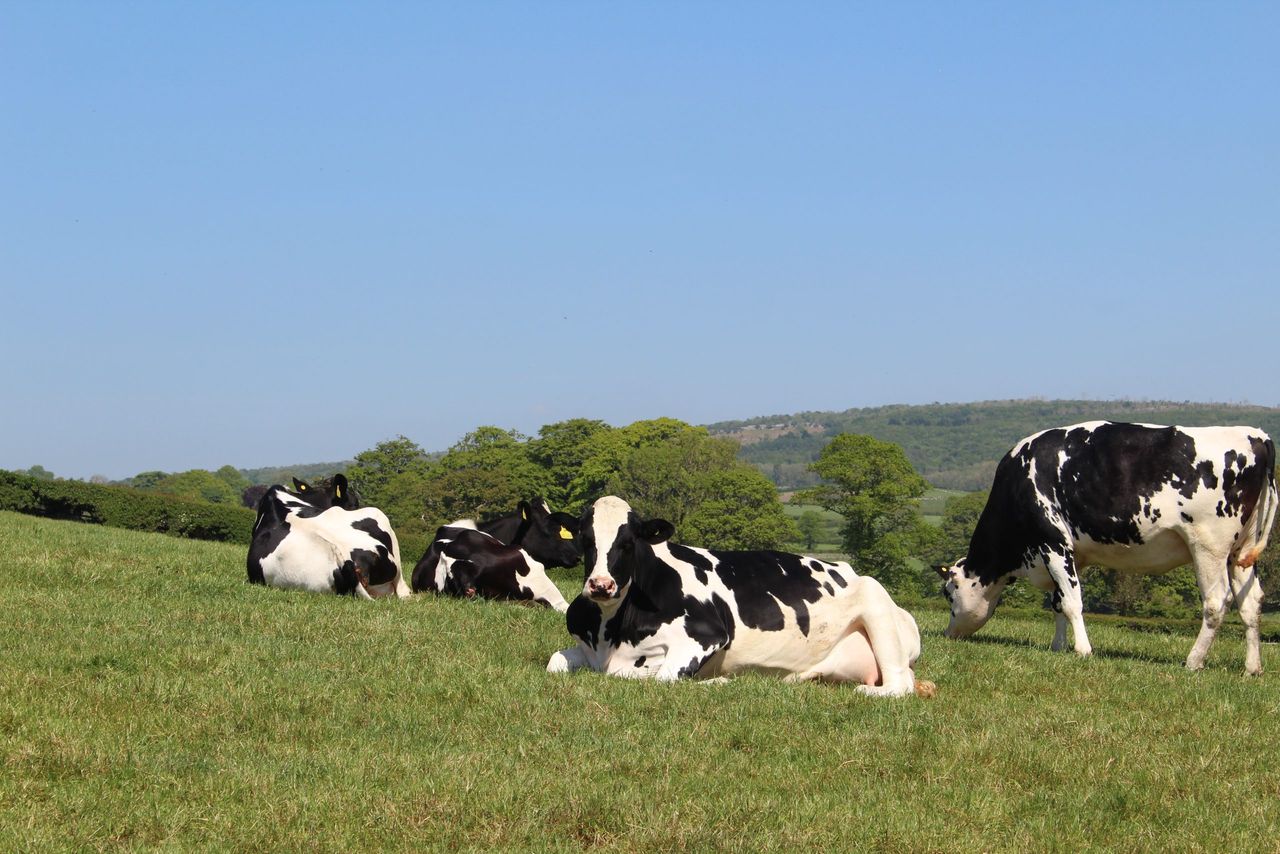
Rain will be a welcome sight to a lot of farmers this week, but there is a lot of precautions to be taken before grass becomes the staple of the diet again.
Oak Park weather station in Co. Carlow is located in one of the areas worst affected by this summer's drought.
This week, the station recorded 30.5mm of rain between Tuesday and Thursday, meaning hopefully grass growth will be reappearing over the next week to 10 days for drought-stricken farms.
As it stands, PastureBase Ireland recorded an average growth rate of 37kg dry matter (DM)/ha on dairy farms for the week, with a matching demand of 37kg DM/ha.
However, there is a clear nationwide contrast, with average growth as low as 6kg DM/ha in Kilkenny and as high as 80kg DM/ha in Donegal.
The average nationwide cover/livestock unit (LU) sits at 166kg DM/ha, with an average farm cover (AFC) of 527kg DM/ha.
Meanwhile, the average nationwide diet is sitting at 10kg of grass, 5kg of meal, and 4kg of silage, although some of the worst-hit farms have no grass in the diet, while other farms in grass growing areas have no silage in the diet.
Nitrate poisoning
When grass does start growing, the first thing farmers must be looking out for is nitrate poisoning, which is common in lush grass after an extended dry period.
Nitrate poisoning can also be common if fertiliser is spread too heavy or too soon as nitrates in the ground will also be mineralising.
It can also be a problem in sacrifice paddocks, as nitrogen would have being building up in dung over the summer.
Either way, farmers must keep an eye out for any symptoms, as it can lead to poor intake, reduced fertility, and even death.
The signs of nitrate poisoning can include:
- Rapid or laboured breathing;
- Staggering;
- Salivating/frothing at the mouth;
- Muscle tremors.
Nitrate levels of 0.5% in the grass are toxic for cows, if levels are this high, the cow can consume a toxic amount of nitrates in one hour, showing symptoms shortly after, and rapidly declining until dying from suffocation.
Therefore if you do notice any symptoms or irregularities, get your local vet out as soon as possible to asses the cow, and remove the herd from any possibly toxic paddocks.
In a bid to prevent any poisoning, have your grass sampled ahead of cows entering the paddock.
If you do fear a paddock is on the high side, try and hold off and graze another paddock, or at least give the cows a feed of silage before turning them out.
Regularly check on the herd after an hour of two after turning them out to lush grass, looking for any possible symptoms.
Bloat
Bloat may also be an issue for farms with high clover content of over 40%.
Clover will have preferred the drought over grass pastures. It will have succumbed to stress in the worst affected areas, but is still likely to have a strong recovery rate.
As well as that, after a heavy fall of rain, during wet weather or even after a heavy dew, the DM percentage will be lowered and consequently pose a threat of bloat.
Therefore farms need to be cautious with clover paddocks once grass is back growing.
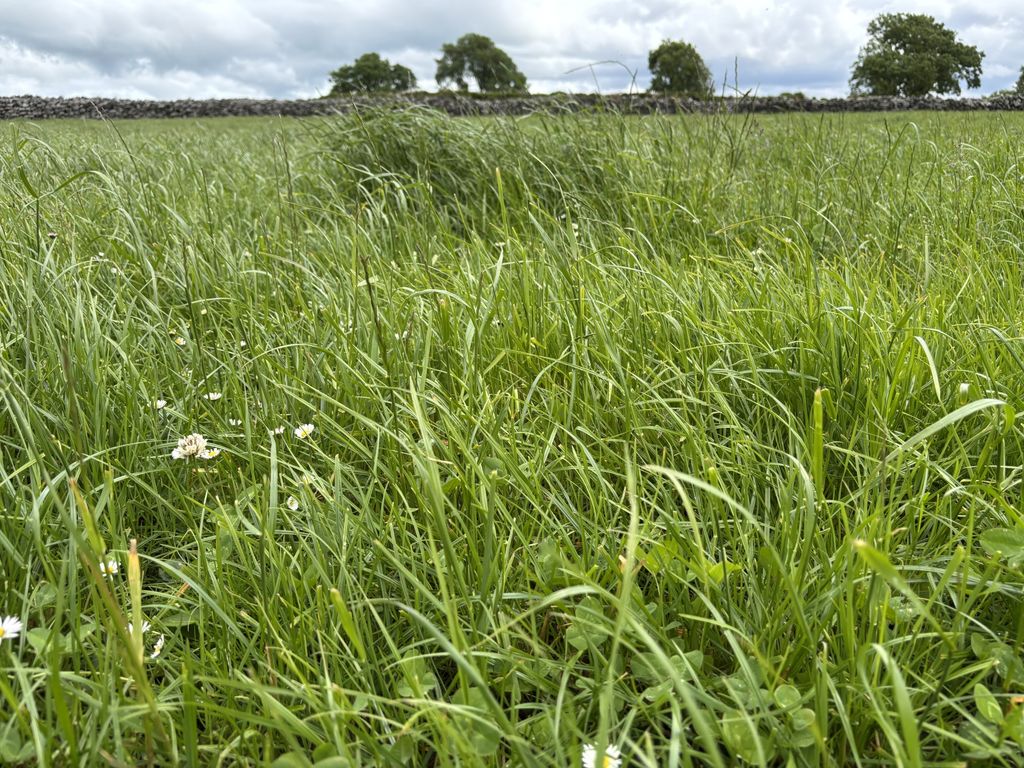
If the herd is turned out onto high legume content, larger volumes of gas, such as CO2 and methane, will build up in the cow.
This gas is usually either belched up or passed through the gastrointestinal tract; however, if something prevents gas escaping from the rumen or if too much builds up, bloat will occur.
If an animal does get bloat and it is left untreated or if you delay your treatment, it can be fatal as the gas can quickly go to the head.
To prevent bloat, try and leave high clover content paddocks to the last in the rotation when returning from silage diets.
Try and prevent the cows from being turned out hungry, and use strip grazing to manage allocations.