EU agri-food trade surplus hits €23.9bn amid export shifts


The EU agri-food sector expanded its positive trade balance in the first six months of 2026, with a trade surplus of €23.9 billion.
This is €1.4 billion higher than in the same time period in 2025, new figures from the European Commission show.
Cumulative exports for January to June 2026 totalled €117.2 billion.
This is down by 2% compared with 2025, mainly due to declines in values of exports of cocoa products, pigmeat and olive oil.
Cumulative exports to Egypt increased by €278 million (+28%) year-on-year, driven mainly by wheat.
Exports to Ukraine rose by €247 million (+12%) and those to India by €174 million (+26%).
Trade with Gulf countries was impacted by the disruption to maritime routes through the Strait of Hormuz.
This has led to exports to the UAE falling by €395 million or 25%.
Among product categories, exports of spirits and liqueurs increased by €405 million (+10%) while exports of coffee, tea, cocoa and spices fell by €1.1 billion (-16%).
Imports
Cumulative imports reached €93.4 billion, down €3.6 billion (-4%) year-on-year.
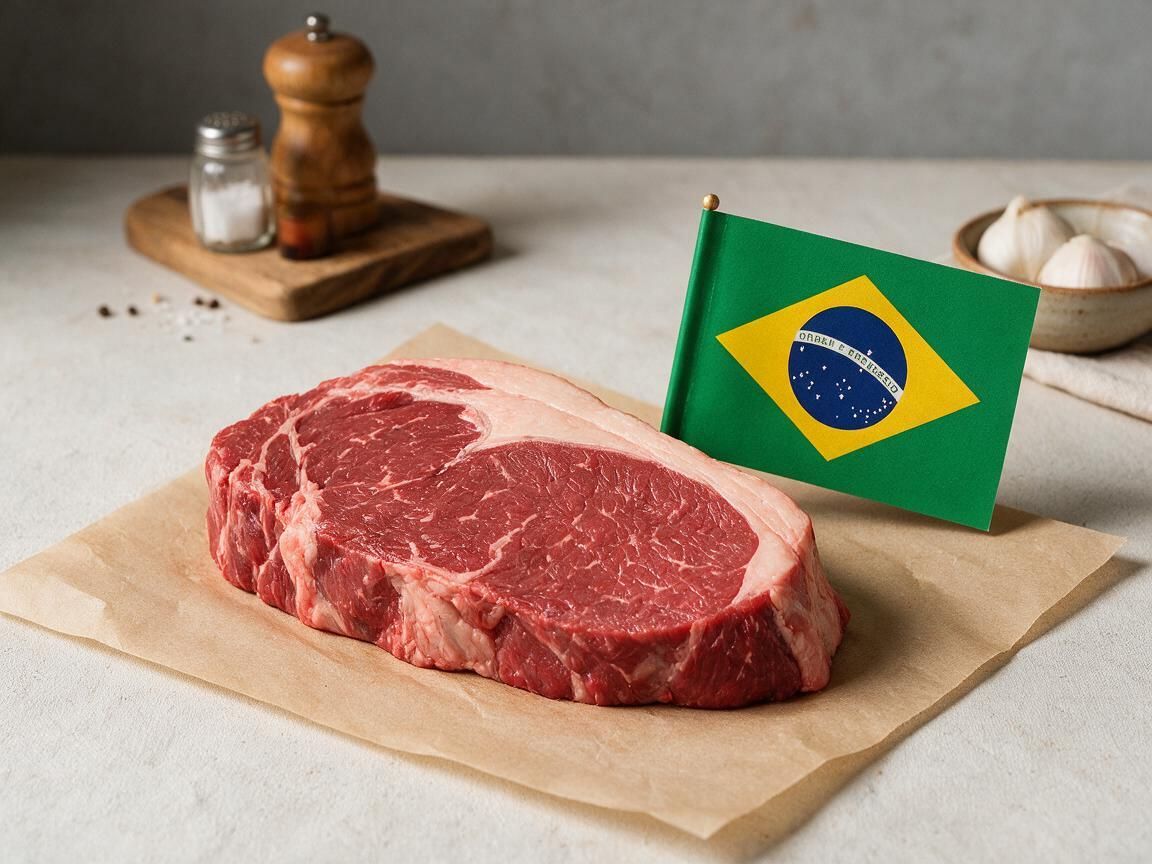
Despite this, imports from Brazil increased by €425 million (+5%), mainly due to higher soya bean imports, while imports from Argentina and Guatemala also rose.
Among product categories, imports of coffee, tea, cocoa and spices fell by €3.6 billion (-17%), while cereal imports declined by €715 million (-15%).
Imports of oilseeds and protein crops decreased by €345 million (-3%).
Imports of soya beans were stable in the first six months of the year, with decreases from the US compensated with increases from Brazil.
Imports of fruit and nuts increased by €503 million (+3%), while sunflower seed imports doubled following two poor EU crop years.
The European Commission said that the widening EU agri-food trade surplus underlines the sector's continued competitiveness and ability to adapt to changing market conditions.