Suppliers report running out of oilseed rape seed amid strong demand

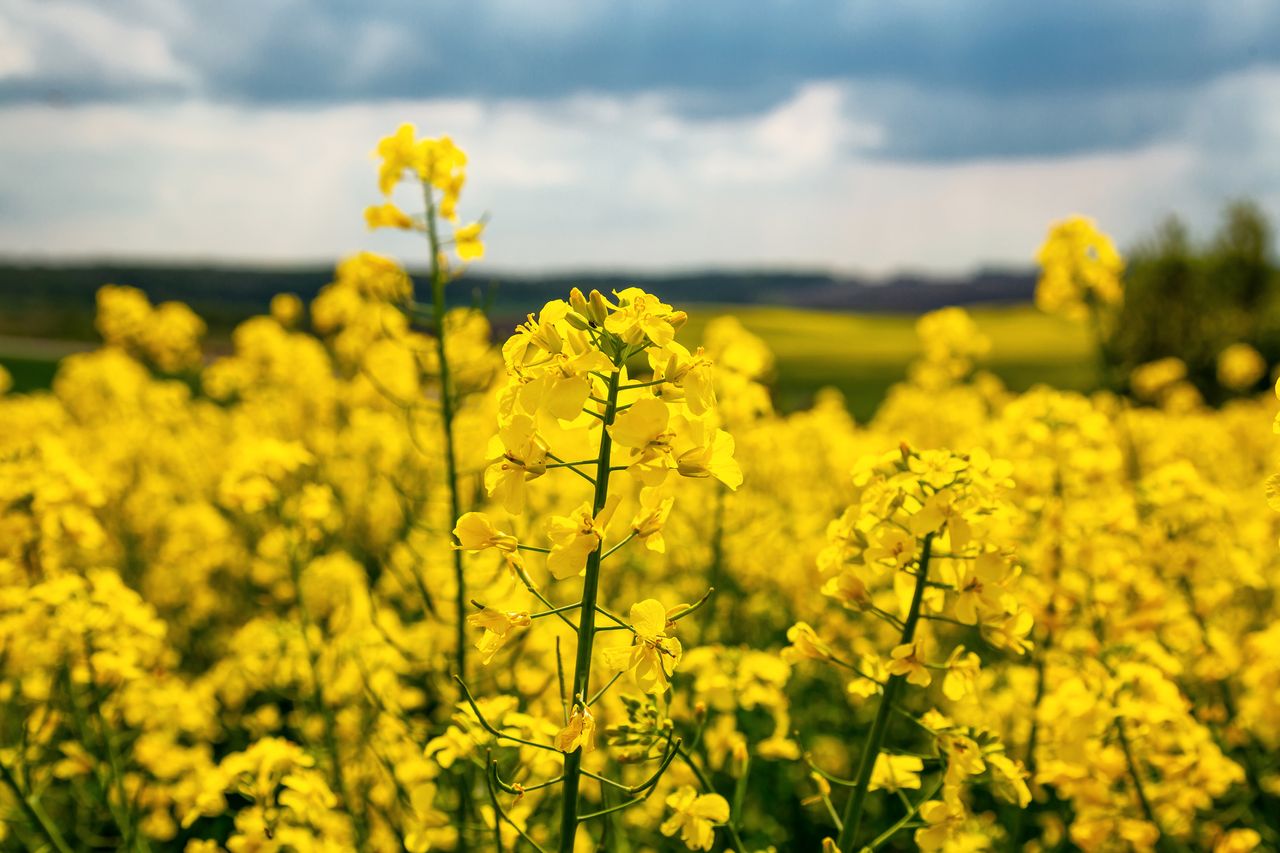
There is every prospect of Ireland’s winter oilseed rape planted area increasing again in 2026/2027, such is the demand for seed at the present time.
This continues a trend that can be traced back over a number of years.
Goldcrop cereal variety manager, John Dunne, said: “Winter oilseed rape was one of the real success stories of harvest 2026.
"Crops performed and oilseed prices have remained strong.
“But oilseed rape brings so much more to a tillage enterprise. It is an excellent break crop, thereby allowing growers to tackle the widest possible range of weed populations more effectively.
“Oilseed rape also allows growers to re-set at zero the challenge posed by take-all.”
Goldcrop is confirming a strong seed demand across all the varieties of winter oilseed rape that it is offering for the 2026/2027 season.
John Dunne again: “We are already sold out of the variety LG Armada while stocks of LG Avenger are moving very quickly.
“And the same trend can be discerned with regard to the other varieties of oilseed rape that we make available.”
Winter barley
While winter oilseed rape was a genuine success in 2025/2026, the polar opposite was the case for winter barley.
The disappointing yields of winter barley secured on many Irish farms during Harvest 2026 can be attributed, in part, to Barley Yellow Dwarf Virus (BYDV) infections.
But it turns out that an even bigger contributory factor in this regard was the challenge posed by take-all, particularly in early sown crops.
The arrival of BYDV tolerant winter barley genetics has further encouraged earlier sowing thus exacerbating take-all in vulnerable rotational slots.
The Goldcrop representative further explained:
“Sowing winter barley after a break crop takes take-all out of the equation to a large extent.
“Our trial work has confirmed that winter barley crops sown after a break crop, such as spring beans, oats or winter oilseed rape, can deliver yields of up to 5t/ac.
“The average winter barley yield secured during harvest 2026 was in the region of 3.5t.”
Take-all is caused by a fungus, which is most active during the early autumn period while soil temperatures remain quite warm.
According to Dunne: "A break crop disrupts the take-all cycle, which then allows the earlier sowing of winter barley crops.
"In our case we are only making available winter barley varieties that have BYDV tolerance.
“So the opportunity of securing high yields of winter barley in suitable soils under Irish growing conditions does exist.”
Hybrid rye
Another winter cereal option of growing interest to Irish tillage farmers is hybrid rye.
Dunne said: “Rye is a very high yielding cereal crop, relative to wheat and barley.
“It is also relatively tolerant of take-all, compared to barley or wheat.
"As a consequence, rye is a very attractive option within a cereal rotation.
“It is also an extremely strong rooting crop, which makes it very drought-resistant.”