Sponsored
Watch: How a 370-cow Thurles farm gets more milk from home-grown fodder

Sponsored by

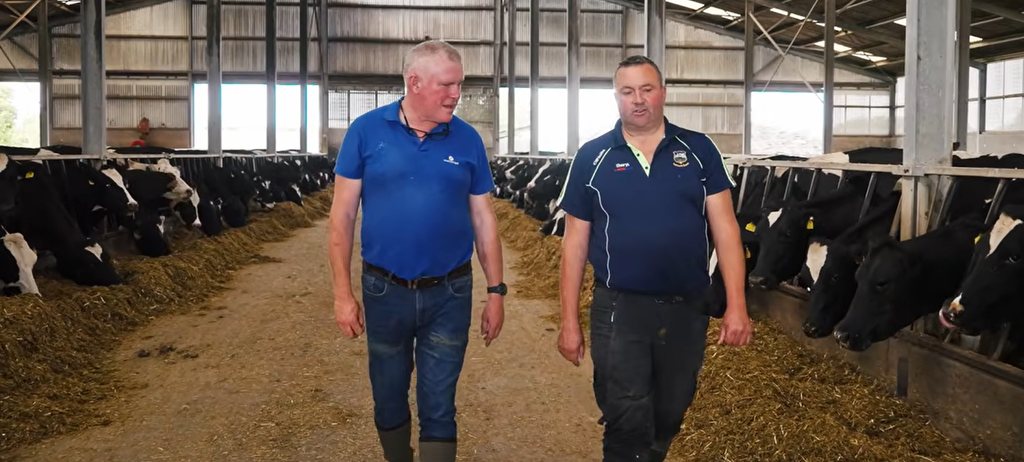
James Hanly’s dairy system near the Horse and Jockey, outside Thurles in Co. Tipperary, centres on making the most of home-grown feed.
With approximately 370 cows calving across spring and autumn, his nutritional programme combines regular forage analysis with diet formulation and practical monitoring to maintain performance throughout the year.
The herd produces non-GMO milk for Centenary Thurles, which markets the branded milk to Irish retailers.
No genetically modified feeds are fed to the cows.
Current average daily production is 27–29L/cow at an average of 188 days in milk, with James aiming to maintain milk quality at 3.6% protein and 4.5–4.6% butterfat year-round.
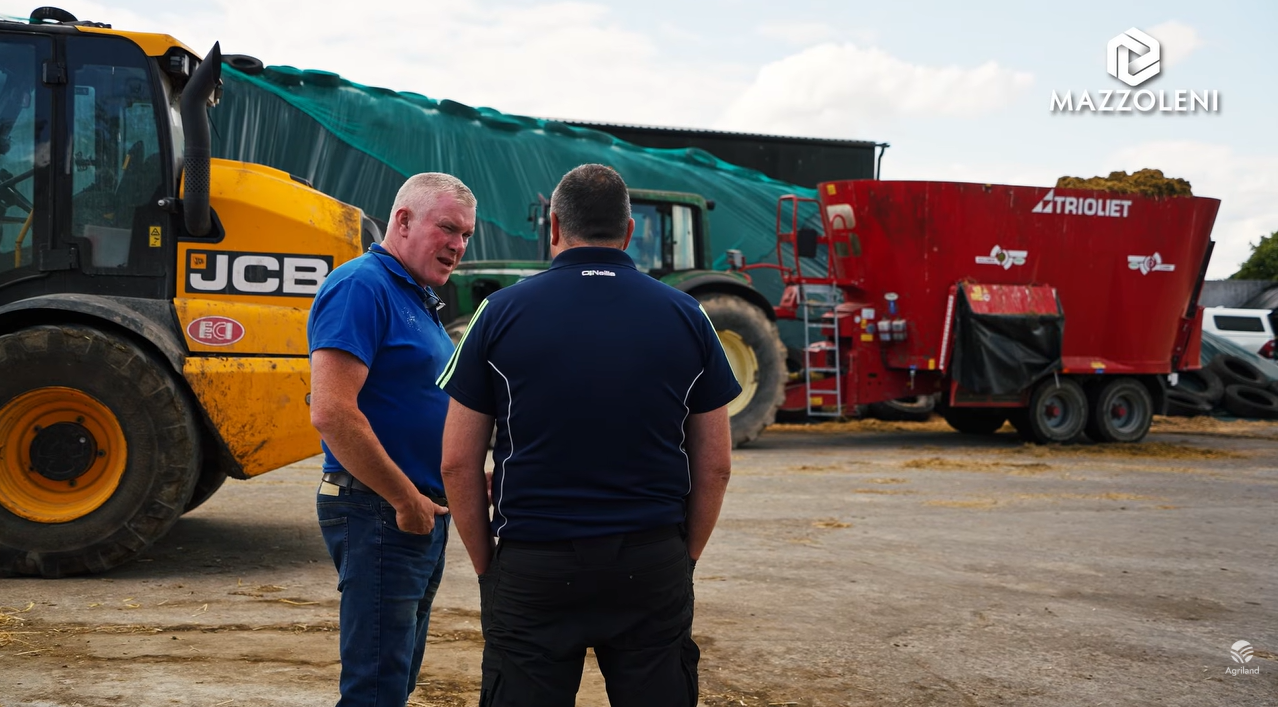
James has worked with Michael Cleary, technical director of Mazzoleni Ireland, for more than 20 years.
Analysis of the farm’s home-produced forages and concentrates underpins the nutritional plans, with diets adjusted as the feeds available and the requirements of the herd change.
Making the most of home grown feed
Alongside grass for grazing and silage, James grows winter wheat for wholecrop silage, barley for grain and feeding straw, and maize for silage.
Sugar beet is purchased locally, along with non-GMO protein feeds such as distillers and rapeseed meal.
Centenary Thurles supplies the non-GMO parlour nuts.
The priority is to produce as much milk as possible from high-quality feeds grown on the farm.
Where feeds need to be purchased, James sources them on a non-GMO basis and as locally as possible.
Modern dairy genetics and cow monitoring technology also form part of the system.
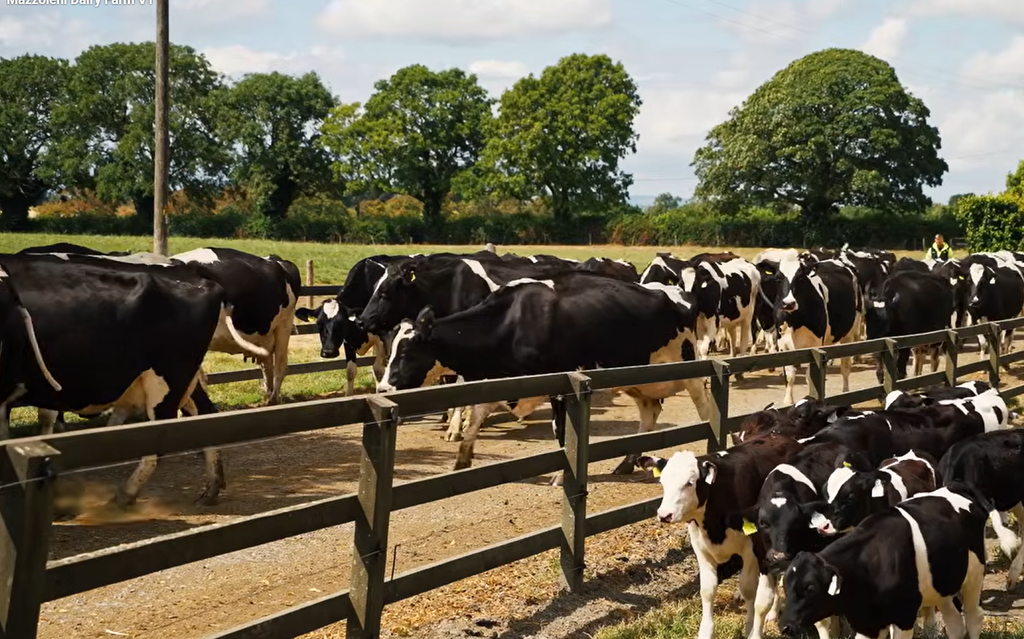
Grazed grass remains central during the grazing season.
James uses a buffer total mixed ration (TMR) to complement grass and maintain a balanced diet as grazing conditions change.
The buffer TMR provides a more consistent supply of energy, fibre and other nutrients, helping to support rumen function, milk production and milk solids as grass quality and dry matter fluctuate.
Its composition is adjusted around the grass and other feeds available, rather than treated as a fixed ration throughout the season.
“From when grass heads-out in the first or second week of June, we would start buffer feeding,” James said.
Forage analysis guides the diet
Using mobile near-infrared (NIR) forage analysis equipment, the Mazzoleni team regularly assesses the farm’s forages to inform diets for youngstock, milking cows and dry cows.
Michael works with James to adjust the nutrition plan as forage quality and environmental conditions change throughout the seasons.
The advice also extends to planning the farm’s forage supply over the next six to 12 months.
Through regular discussions, Michael works with James to assess cropping and forage options suited to the land, the farming system and the diets required by each stock group.
This helps guide decisions on what to grow and how those feeds will fit into the nutritional programme.
The work also extends to nitrogen use, pre-harvest crop testing and forage preservation, including the use of Certillus silage inoculants.
Preserving the quality of the harvested crop supports the farm’s aim of getting more milk from its own forage.
Mazzoleni’s Milk Solids Programme also forms part of James’s nutritional strategy, with diets balanced to support milk fat and protein while maximising milk yield.
The programme is reviewed alongside forage quality and herd performance, with adjustments made to maintain milk quality as grazing conditions and feed supplies change.
Mineral supplementation is tailored to each group, from youngstock through to the milking and dry cows.
Particular attention is given to transition nutrition, with Mazzoleni’s Supramom Pre-Calving Programme tailored to James’s dry cow diets to support the transition into lactation.
Forage mineral supply and the requirements of cows approaching calving are key considerations when balancing these diets.
Monitoring the response on farm
Formulating the diet is only part of the process.
The Mazzoleni team combines feed analysis with practical observation on farm, monitoring feed intake, rumination, body condition, faecal consistency, and milk performance.
These observations help assess how the ration is working in practice and guide adjustments as forage quality, grazing conditions and stage of lactation change.
Targeted nutritional products are incorporated within the overall diet where required. BioCell live yeast and Ruminase inactivated yeast are used together in James’s herd with the aim of supporting rumen fermentation and fibre utilisation.
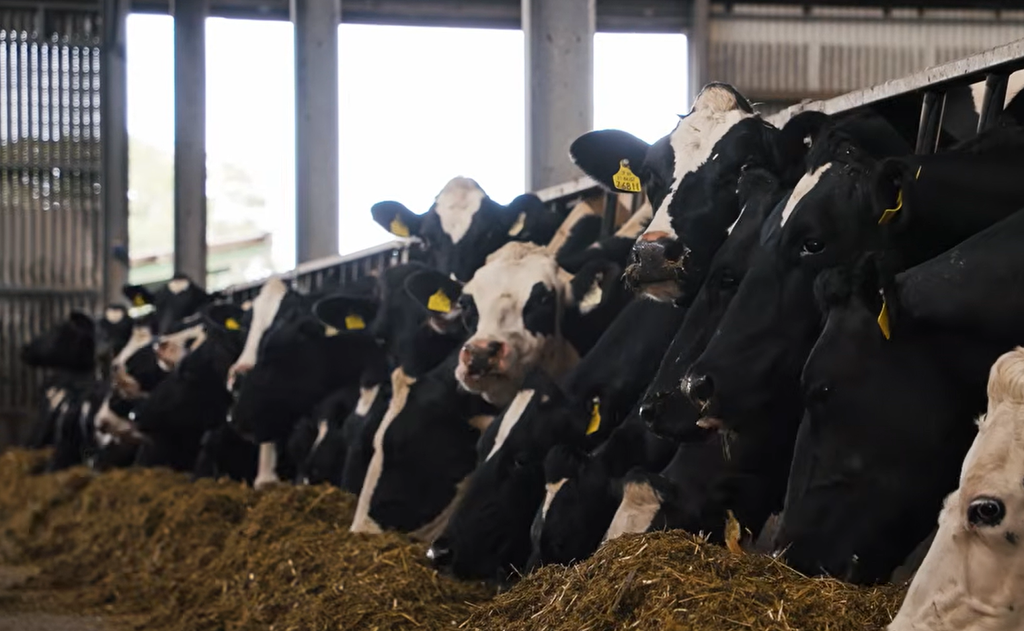
Nutracor, a protected energy source, is also used within the nutritional programme.
Their inclusion is considered alongside the forage and concentrate balance, with the objective of supporting consistent intake and herd performance.
Michael describes the approach as an ongoing working relationship built around the needs of the farm.
“We try and do our most for the farmers, looking at stock, gauging prices, analysing feeds, talking to James about everything and about the production needs on the farm,” he said.
“We’re probably a second opinion to the farmer. We’re always available on the phone.
“It goes beyond just minerals and additives. It’s all about running a farm as efficiently as possible, and it’s very important that those customers can make a good living out of it.”
For James, nutrition and genetics remain central to the profitability of the herd.
“Nutrition is the key. Nutrition in your animals, and obviously genetics are key to driving on your profitability.”
Sponsored by