'For too long women have been talked about in 'tokenistic' way'
"The future of farming cannot be separated from the participation, leadership and visibility of women in this sector."
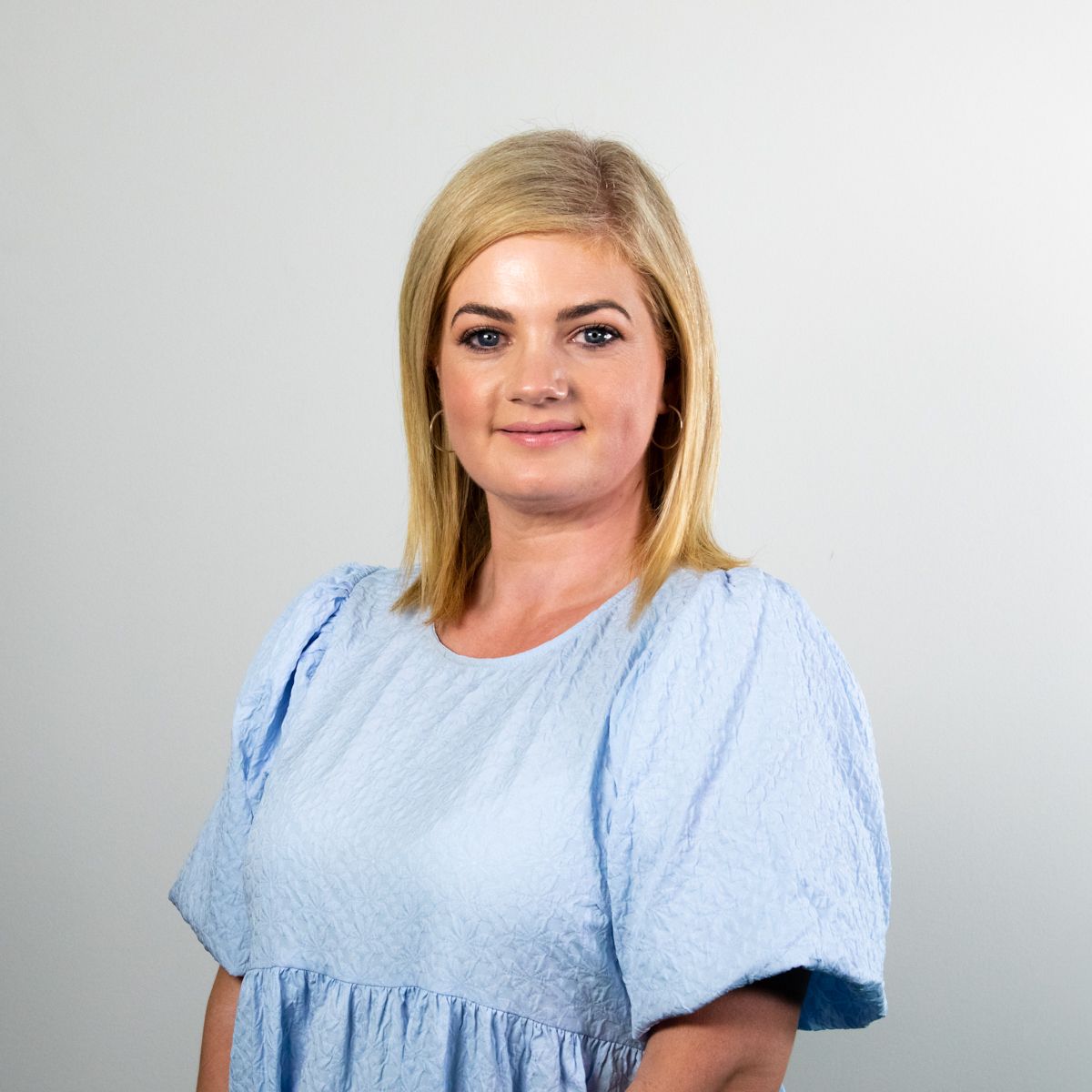
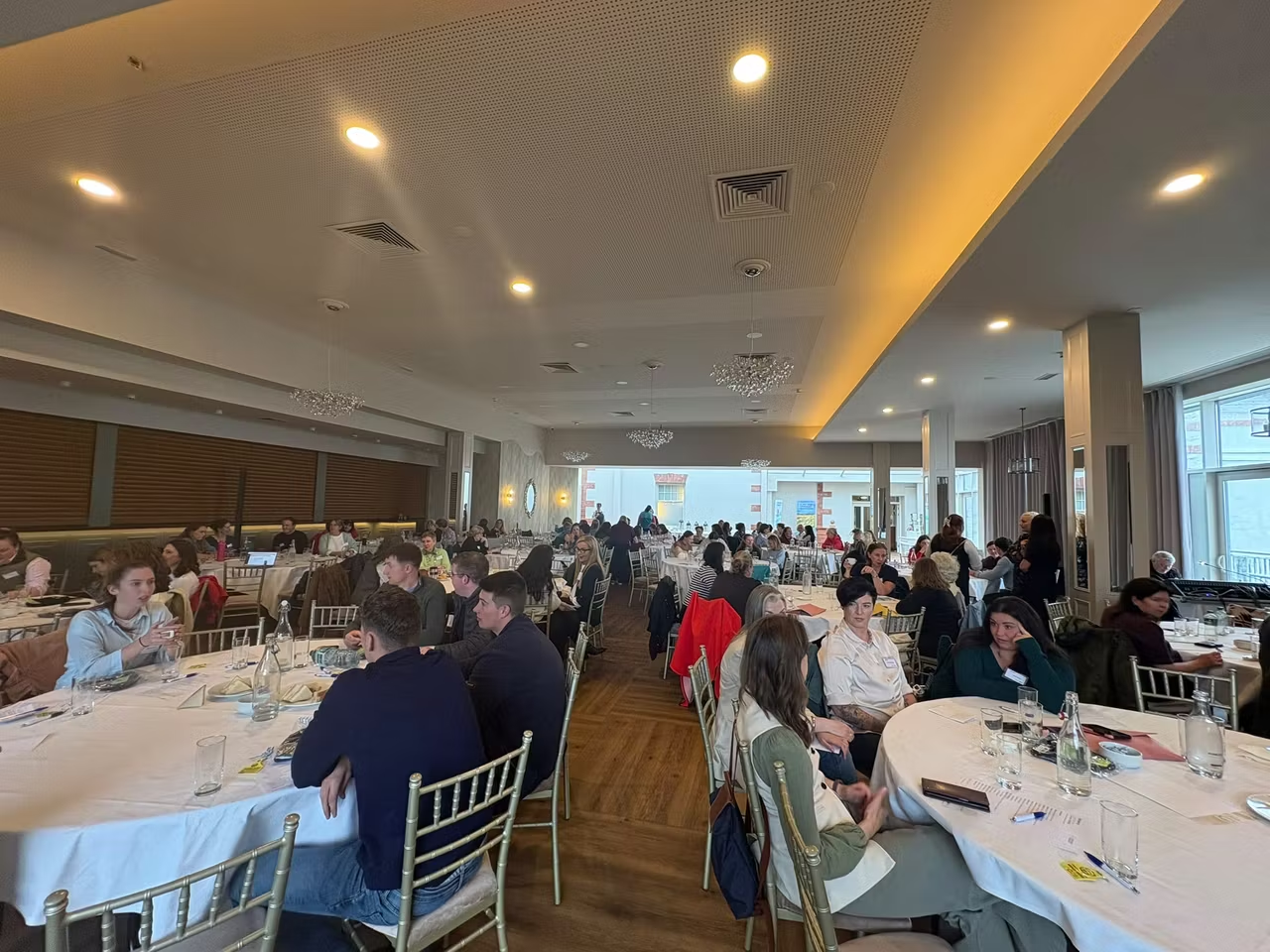
That was the strong message from MEP for the Midlands North West, Maria Walsh who was speaking at the ACRES West Connacht Women in Agriculture Conference underway at Mulranny Park Hotel, Co. Mayo today (Thursday, October 8).
The day-long free event also includes presentations on the history of women in agriculture in Ireland down through the centuries, Galway Wool Co-op and female led innovation, panel discussions on 'Building networks that help women thrive' and 'Experiences of being a woman in agriculture.
The event will also include a workshop for those in attendance led by The Navigation Coach, Tara Rafter.
The MEP stressed that for too long women, especially women in farming, have only been talked about in a 'tokenistic' way and emphasised that this ethos "needs to change".
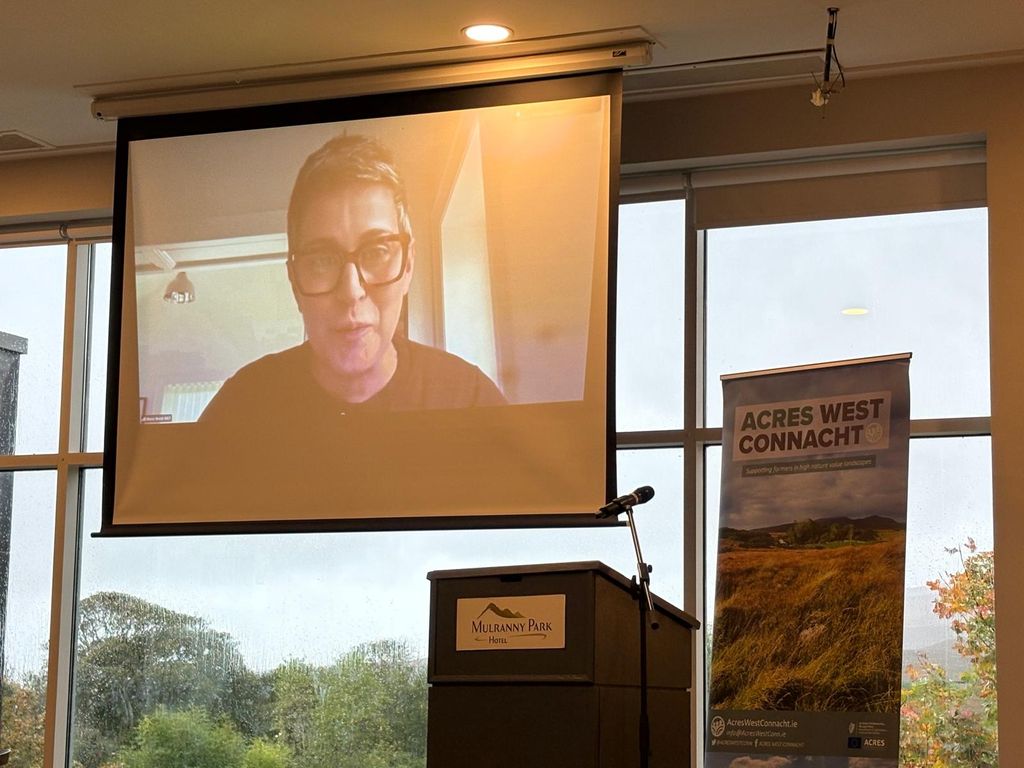
Speaking to the audience live, while online, as she was unable to travel based on medical advice, MEP Walsh said: "Across rural Europe, women are leading in sustainable agriculture, food innovation, agri-tourism, biodiversity, social enterprise and digital transformation.
"They are keeping farm families viable and most importantly in this context, rural communities also vibrant.
"Yet, despite all of this, women still face structural and architectural barriers. In Ireland, just 13% of farm holders and women, a figure that has barely moved over the past three decades," MEP Walsh added.
While only 13% are farm holders, the MEP outlined that women still make up 27% of our agricultural workforce.
"Tens of thousands of women work on farms, every day, without ownership or recognition," she continued.
In the last Common Agricultural Policy (CAP) which runs from 2021-2027, only two member states - Ireland and Spain - introduced measures specifically targeted at women in agriculture.
Women in agriculture
The Fine Gael / EPP MEP said the timing to introduce more supports targeting women in agriculture "could not be better".
"2026 is the [UN] International Year of the Woman Farmer" which aims to put women's contributions at the centre of global conversations on food, sustainability and rural development," Walsh continued.
"With Ireland holding the presidency [of the EU] at a European level, we have a real opportunity to lead on the likes of generational renewal and gender equality in our agricultural sector.
"Ireland has an incredibly strong story to tell; women across our country are already driving innovation in farming and rural enterprise," she added.
According to the MEP who is also a part-time sheep farmer on the Mayo/Galway border, the future of farming does not just depend on the future of land.
"When you look at the purchasing power of not just Ireland, Europe but the world over, it's women who hold that purchasing power when it comes to predominantly deciding what goes on [inside the farm gate at the kitchen table]."
She criticised what she described as the 'pink tax' placed on essential items needed by women and the lack of visibility in terms of research on health or mental health.
"We have to be looked at as equal partners," she said.