Malting barley growers need 'an extra €50/t'

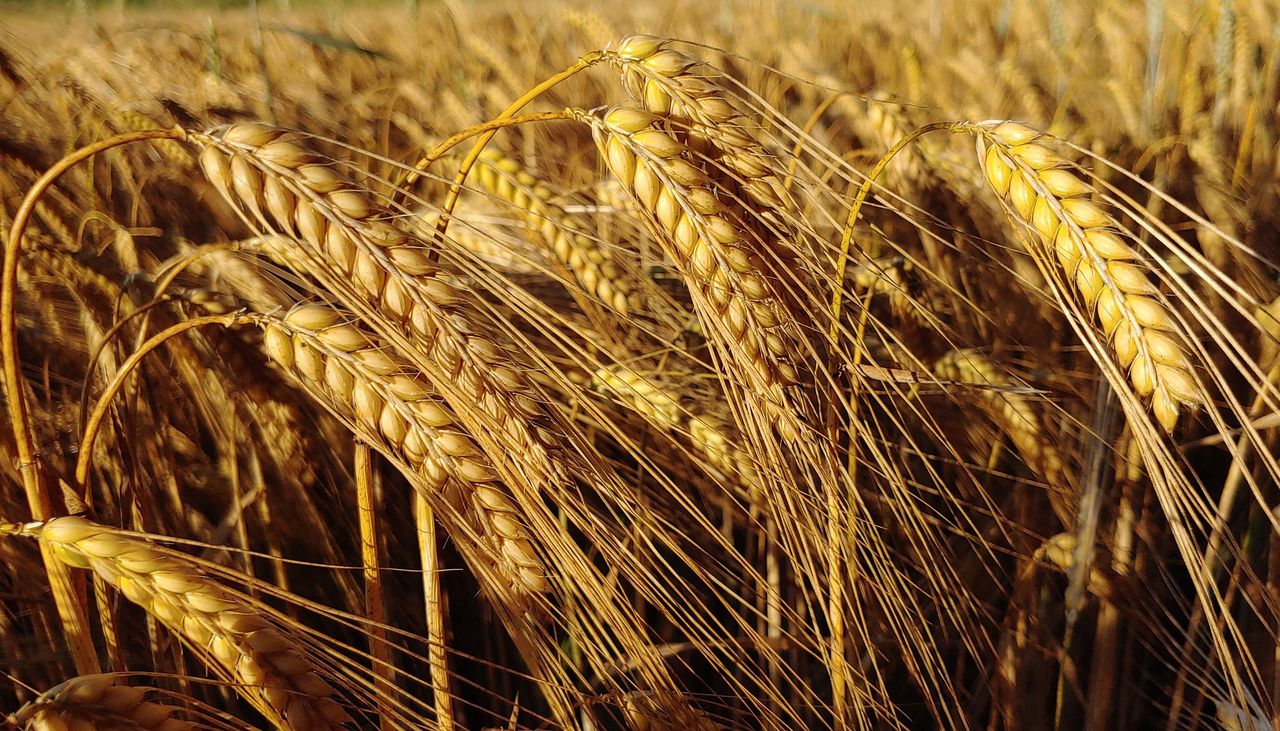
Malting barley growers need an extra €50/t on top of the figures listed in the recently published harvest 2026 price schedules, according to the Irish Grain Growers Group (IGGG).
The organisation’s secretary, Clive Carter, explained: “The fact that we have ended up with malting barley prices being below feed is a scandalous situation.
“The current Bootmalt arrangements are not working: they need to be totally overhauled.”
Carter made these comments in the wake of IGGG again calling for a bespoke native grains pricing mechanism.
In essence, this would reflect the full costs incurred by Irish grain growers.
It would also recognise the crop management standards expected of Irish growers.
Carter said: “A native grains’ pricing structure would also provide a level playing field for Irish tillage farmers.
“The reality remains that the vast bulk of cereals and oilseeds imported into Ireland from countries outside the European Union are produced to a much lower environmental standard than is the case with crops grown in this country.”
International grain markets
Meanwhile, international grain markets remain in a state of flux.
The Agricultural and Horticultural Development Board (AHDB) is conforming that November-2026 wheat futures closed at £206.25/t last Friday (October 02), up £0.50/t, week-on-week.
Meanwhile, the United States (US) wheat and maize markets ended down, while the Paris wheat market gained across the week.
This mix in market momentum was due to United States Department of Agriculture (USDA) stocks data, geopolitics, global demand, and US harvest pressure.
While the market looks generally well supplied globally, trade disruptions and uncertainty underpin global prices.

Most of the negative sentiment in the US market followed the USDA's latest grain stocks report, which showed September 1 maize stocks at 53.2Mt, up 35% year-on-year and above trade expectations.
This, combined with a stronger US dollar and harvest pressure, weighed on the US market, despite generally robust global demand.
Last week Saudi Arabia launched a tender for 535Kt of wheat.
Traders viewed it as evidence that lower prices are encouraging buyers back into the market, as the kingdom had cancelled a previous tender due to high prices.
This provided some support to Paris wheat futures.
Further to that, ongoing disruption to Black Sea trade continued to underpin prices in Europe.
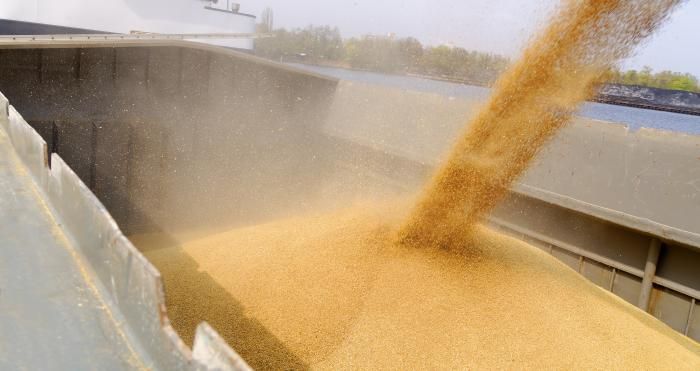
Diplomatic efforts showed little progress towards restoring normal shipping routes.
Russia's rejection of proposals for a truce in Black Sea attacks maintained concerns over export disruption.
The Ukrainian farm minister warned that winter wheat plantings for the 2027 harvest could fall by 17% due to ongoing export difficulties caused by the conflict.
Although September grain and vegetable oil exports improved month on month, shipments remain well below potential capacity.
This raises concern over income and future Ukrainian wheat production and export availability.