Call for organics to be considered 'strategic investment' in post-27 CAP

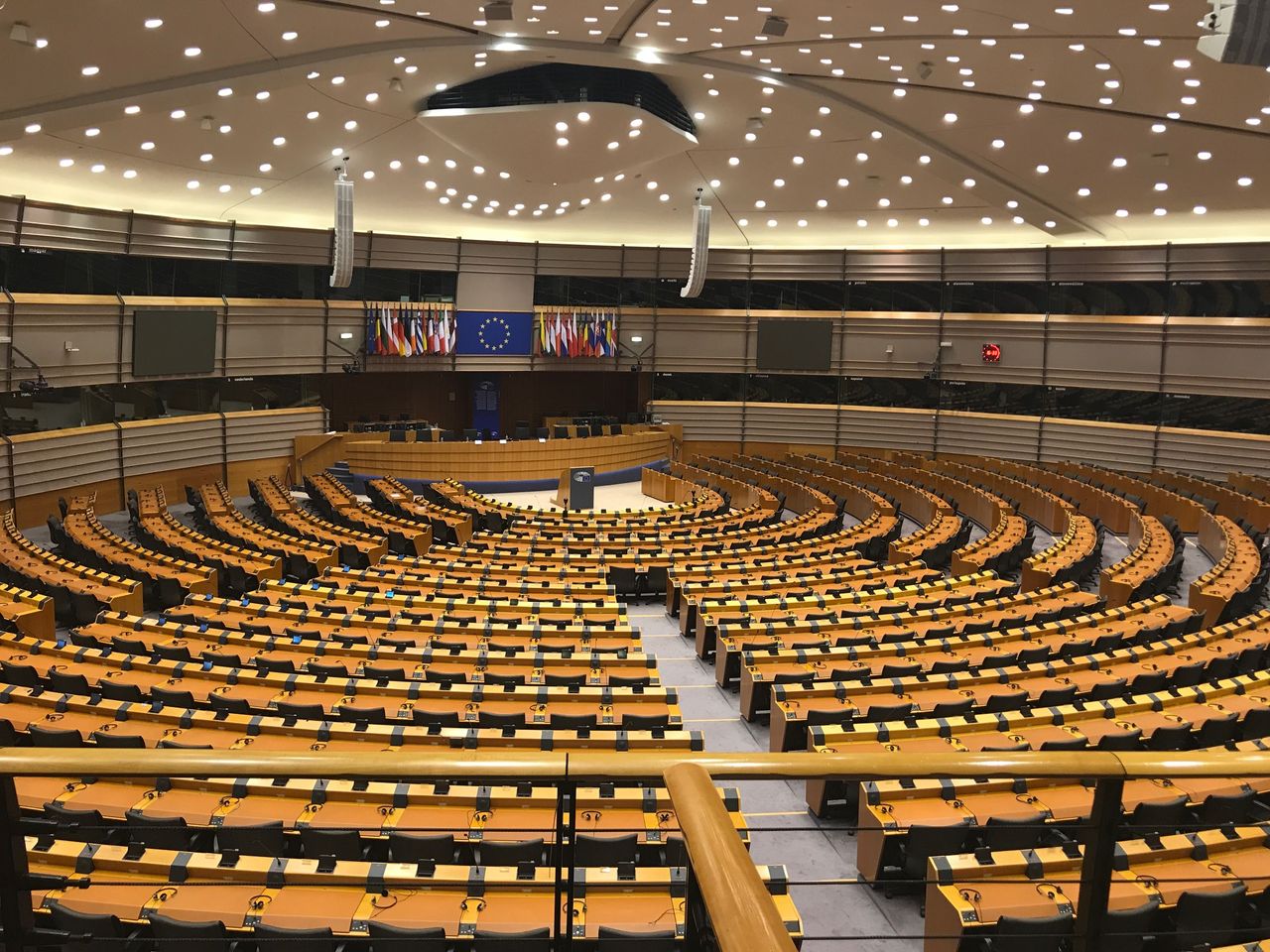
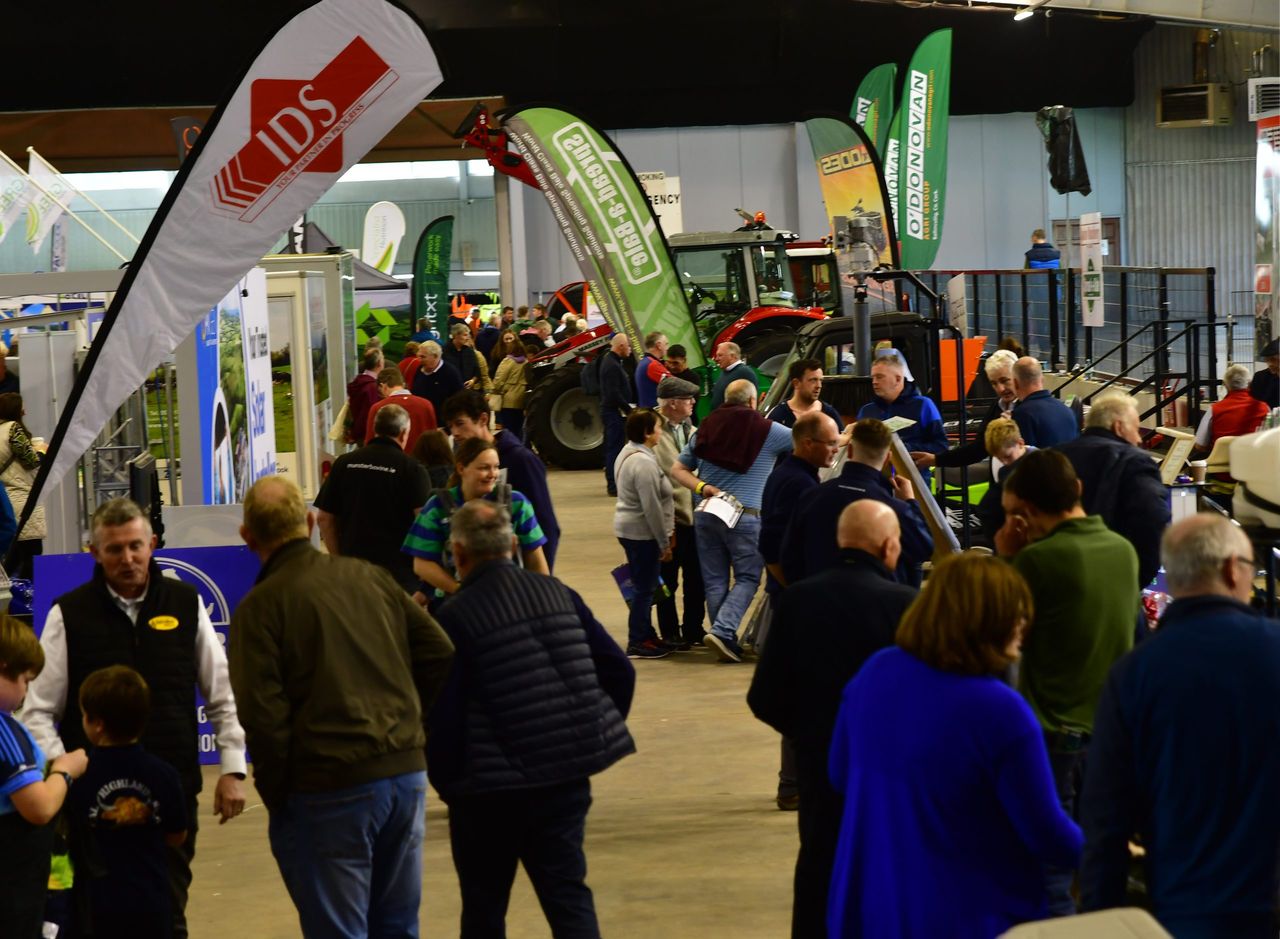
Over 260 policymakers, farmers, businesses, researchers and civil society members involved in organics have gathered in Co. Cork for the European Organic Congress 2026.
The meeting comes as negotiations on the next EU budget and Common Agricultural Policy (CAP) shape the future of European food and farming.
Under the theme, ‘Organics: A strategic investment in Europe’s resilience’, the congress is exploring how the next CAP and Multiannual Financial Framework (MFF) can facilitate organic farmers and businesses in further developing and contributing to resilient and competitive European food and farming systems.
The congress is also marking a milestone for Europe’s organic movement.
The event was organised by IFOAM Organics Europe, and also saw the organisation kick-off a year-long celebration of a quarter century of work to advance organic food and farming across Europe, ahead of its 25th anniversary in 2027
In a video message to congress delegates gathered in Co. Cork, European Commission President Ursula von der Leyen congratulated IFOAM Organics Europe on its anniversary.
She said: “Organic farming will continue to play a crucial role not only in European agriculture, but also in strengthening Europe’s resilience, by reducing our input dependence, by protecting our soil and improving animal welfare with innovative methods, and by strengthening rural communities and local value chains.”
Future CAP
The European Commission’s proposal for the CAP post-2027 and the next MFF will significantly reshape how EU agricultural policy is funded and implemented.
Against this backdrop, the organic movement is calling for a "clear long-term commitment" to organic farming in the future CAP, providing stability and predictability for farmers and safeguarding dedicated support for both conversion to and maintenance of organic farming.
President of IFOAM Organics Europe, Dora Drexler said: “It’s great to learn about how organic production has been positively evolving in Ireland over the last number of years.
“Developments in countries such as Ireland show how organics offers a roadmap for governments to respond to some of the challenges facing food and farming systems from environmental and climate vulnerability to supply chain fragility which it seeks to confront.
“Europe is making choices now that will shape its agriculture for the next decade.”
The IFOAM Organics Europe president added that while the organic sector is already delivering resilience and environmental and societal benefits, farmers need a “predictable policy framework and dedicated support” to continue on that path.
“The next CAP and EU budget should recognise organic as a strategic investment in Europe’s future," Drexler said.
Potential for further organic growth
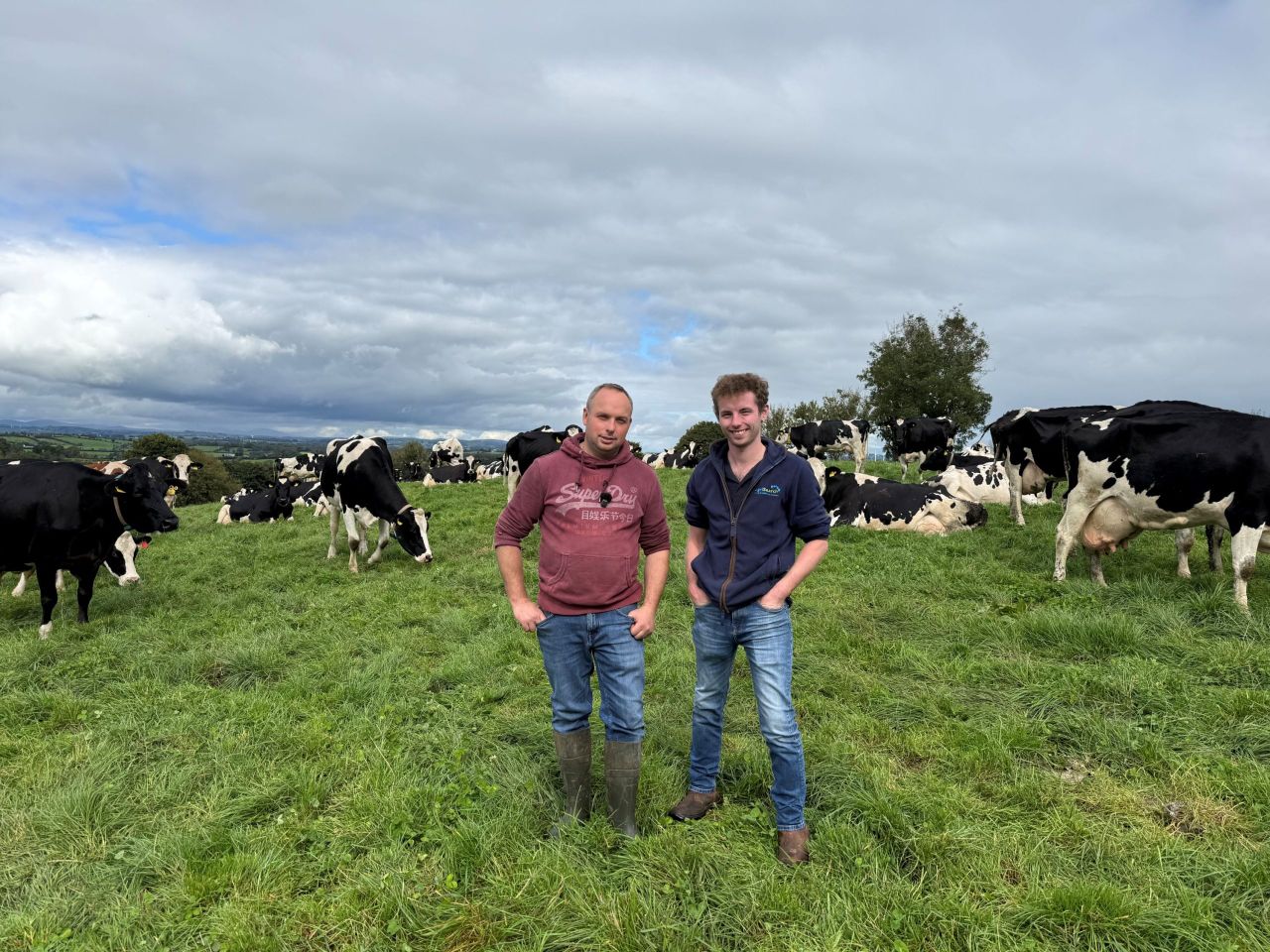
Hosting the European Organic Congress in Ireland comes at a time of development for the country’s organic sector.
Organic farmland has more than tripled since 2021, while around 6,100 organic farmers and food businesses are now active across Ireland.
The Irish market for organic produce also grew by 12.5% in the past year.
CEO of the Irish Organic Association, Gillian Westbrook said: “We are delighted to welcome the European organic sector to Ireland during the country’s holding of the EU Presidency.
“The strong and steady number of farmers choosing to go organic in recent years is a good news story for Ireland.
“It clearly demonstrates what is possible when farmers and businesses are given the right supports to transition to organics”.
She added that there still remains “considerable potential” for further growth in organics.
Westbrook believes the decisions made on the future CAP and EU budget will be “crucial to maintaining this momentum and continuing to futureproof the agri-food sector in Ireland and across Europe”.
The congress began on October 6 and will finish tomorrow, October 8.
It is an Irish Presidency Associated event organised by IFOAM Organics Europe, together with Ireland’s Department of Agriculture, Food and the Marine and in partnership with the Irish Organic Association.