Building a poultry sector that is 'resilient, responsible and equipped for the future'

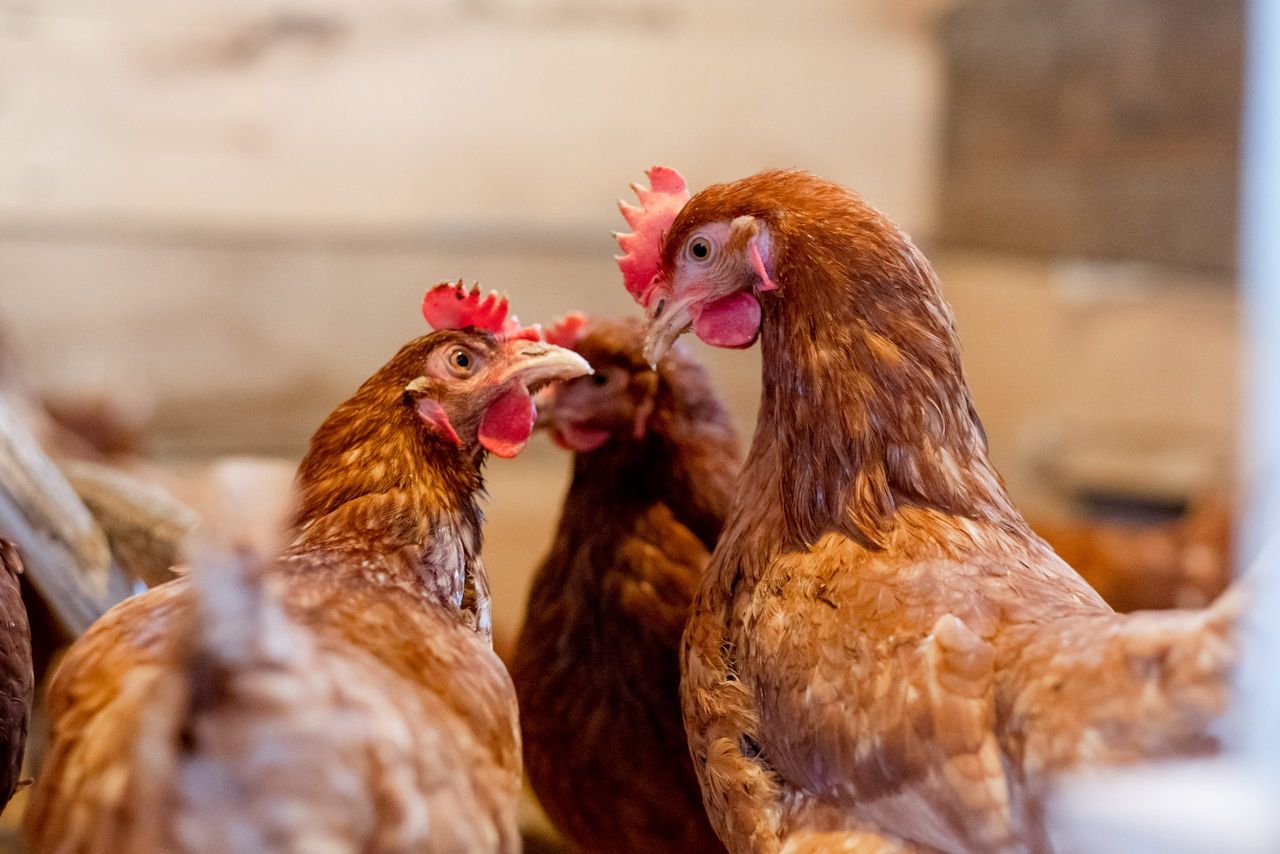
Manor Farm has set out a new sustainability strategy aimed at supporting the long-term resilience of Irish poultry farming.
This will included trials of native-grown alternatives to soya, renewable energy initiatives across the Manor Farm farming network and plans to support the next generation of poultry farmers.
The new strategy, 'Feeding Tomorrow', is intended to bring together Manor Farm’s commitments across its people, farming network, animal welfare and environmental impact as the business looks at how Irish poultry production can continue to evolve in the years ahead.
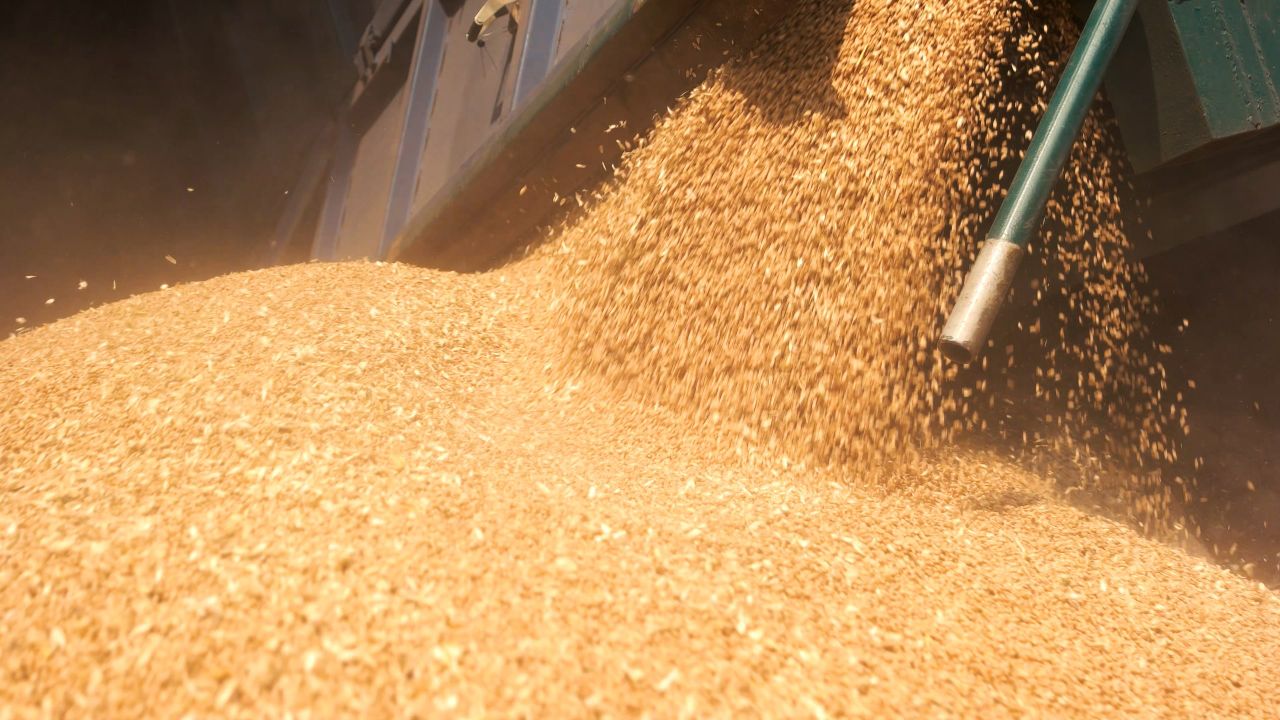
One of the key areas of focus is chicken feed, which represents almost 80% of Manor Farm’s total emissions.
In 2025, the company began a series of trials replacing a proportion of soya bean meal with more environmentally friendly sources of protein.
The trials are taking place at Manor Farm’s Centre of Excellence.
They are examining how the carbon footprint of feed can be reduced without compromising bird performance, animal welfare, taste or nutritional composition.
Energy
Manor Farm is also working with farmers across its network on renewable energy and more efficient farming practices.
At Hill-Top Poultry, investment in biomass heating, solar PV and battery storage has enabled the farm to move to a heating system that is now "virtually entirely renewable-based", according to Manor Farm.
Its renewable electricity system generates approximately 52MWh of electricity annually, with 38MWh used on the farm and 14MWh supplied to the grid.
The strategy also includes a commitment to support the next generation of poultry farmers through a Young Farmer Programme.
There will also be continued collaboration with farmers on animal welfare, environmental stewardship, and long-term farm viability.
Resilience
CEO of Manor Farm, Cathal Garvey said: “Irish farmers are central to Manor Farm and to the future of Irish food production.
“Feeding Tomorrow is about looking at how we can continue to work with our farming partners to build a poultry sector that is resilient, responsible, and equipped for the future.
“That means investing in innovation, testing new approaches and sharing knowledge across our network, while continuing to maintain the high standards of animal welfare, quality and food safety that consumers expect.”
Alongside its work with farmers, Manor Farm has committed to reducing its Scope 1 and 2 emissions by 42% by 2030, against a 2021 baseline.
The company has already reported a 25% reduction in energy-use intensity over the past five years, a 21% reduction in waste per unit of output since 2020 and zero waste to landfill.
Framework
According to the head of sustainability at Manor Farm, Liam McCabe, the challenges facing food production "cannot be addressed by any one part of the supply chain in isolation".
“Farmers, food producers, suppliers and customers all have a role to play.
“Feeding Tomorrow gives us a framework to build on the work already underway, from alternative feed trials and renewable energy to animal welfare and resource efficiency," he said.
McCabe added that their focus now is on turning those commitments into “measurable progress” across Manor Farm and its farming network.
Feeding Tomorrow is structured around three areas: "people, chicken and planet”.
According to Manor Farm, this means: employee wellbeing and safety, animal health and welfare, sustainable farming practices, emissions reduction, packaging, biodiversity and food waste.
Progress against the commitments will be reviewed annually.