Sponsored
Father and son reaping rewards of Liffey Meats programme

Sponsored by

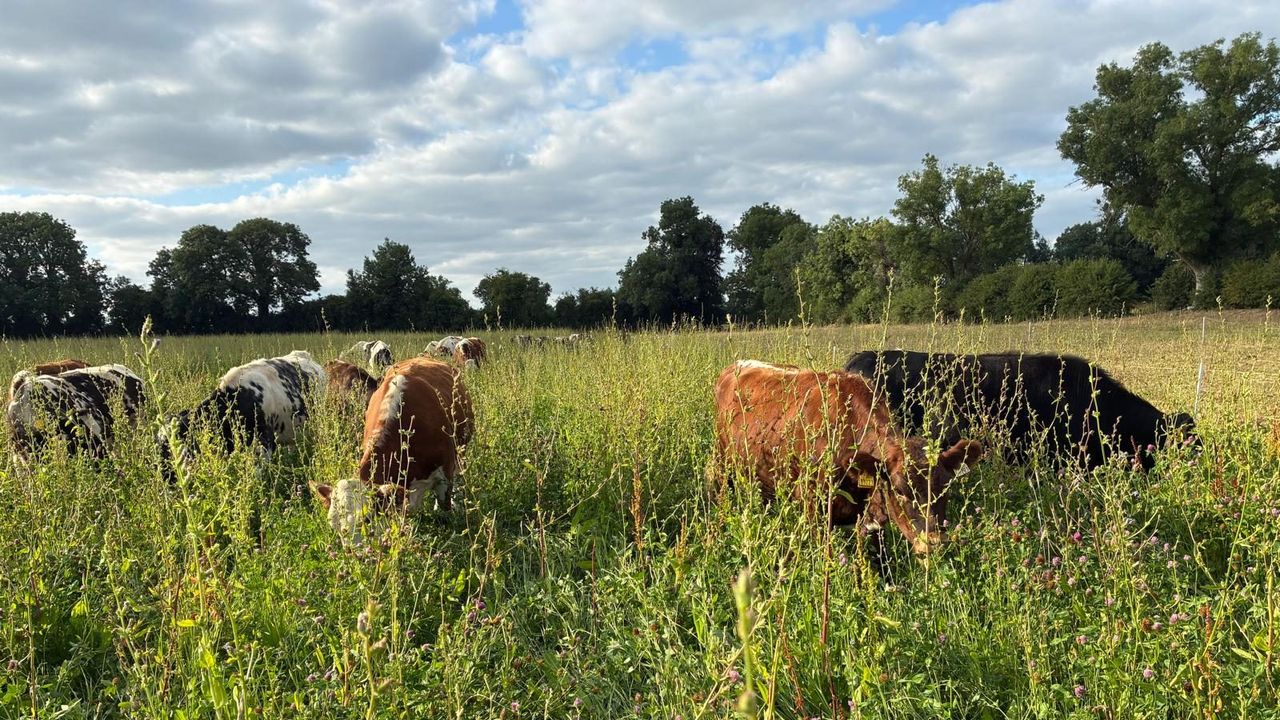
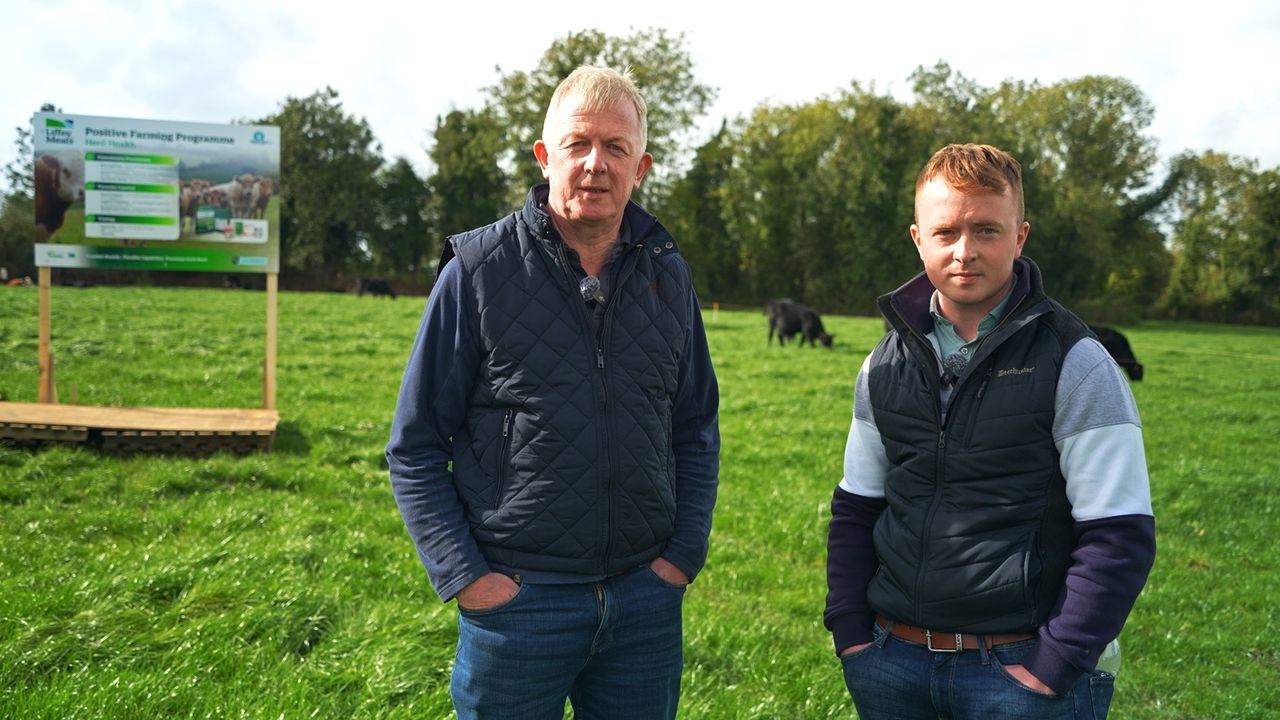
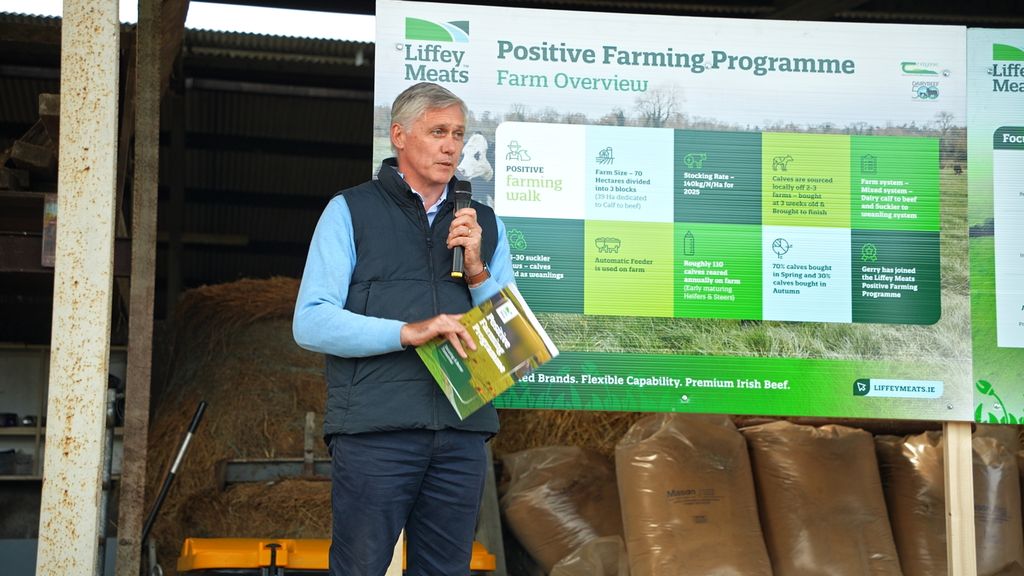
Gerry and Anne Beirne are farming in partnership alongside their son Cian in Tullyloyd, Elphin, Co. Roscommon.
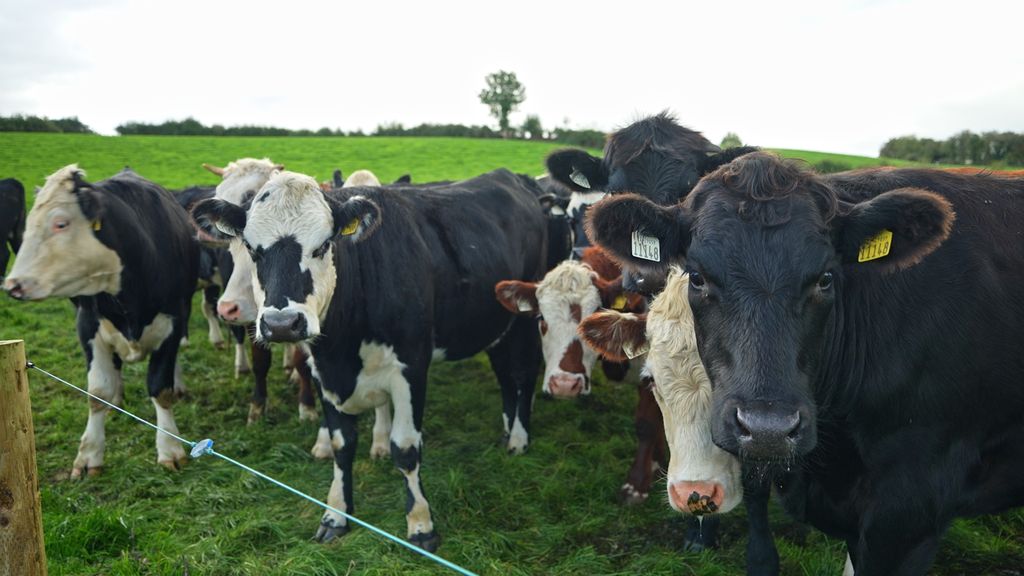
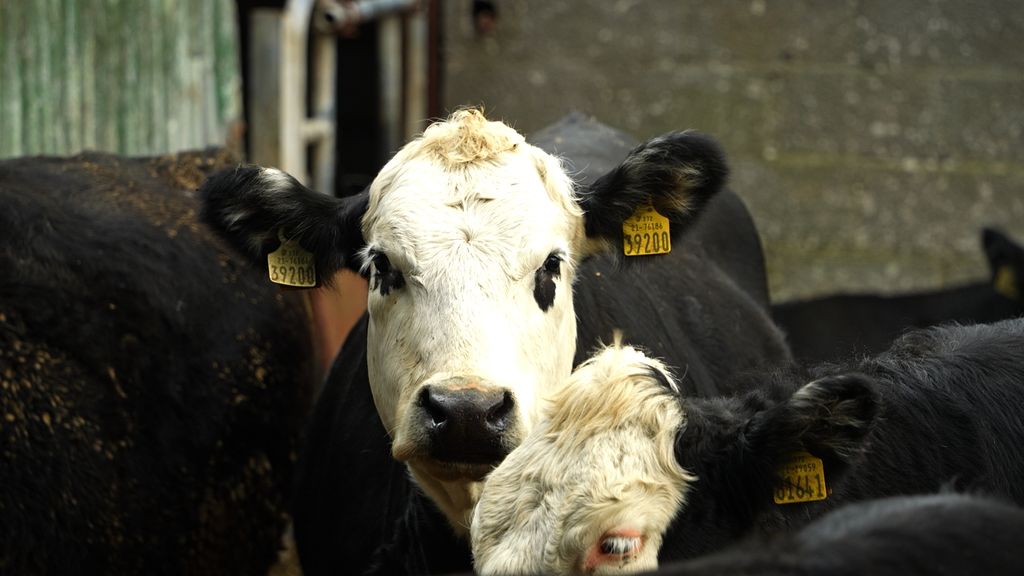
The Beirnes buy in approximately 100 beef calves each year, aiming to finish them around the 20 months-of-age mark.
To achieve this target and avoid a second winter, they buy in breeds that are generally earlier finishing, such as Angus and Herefords.
As well as this, they keep roughly 35 continental-bred suckler cows, selling calves from these as weanlings.
When Liffey Meats launched its new Positive Farming Programme in partnership with Lidl earlier this year, the Beirnes were quick to join up.
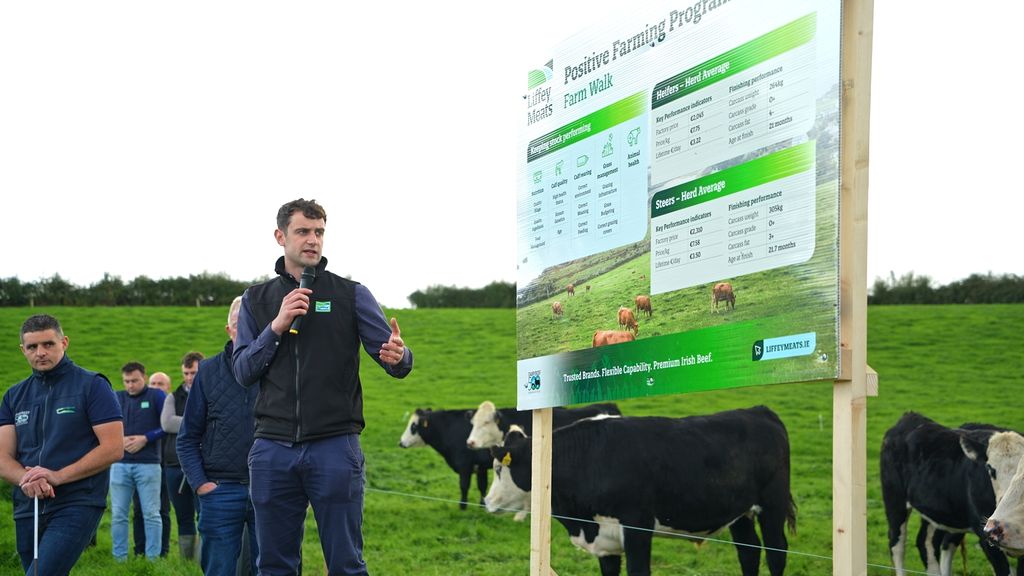
Now that they are a couple of months in and evidently reaping the rewards of the programme, the family welcomed large crowds onto their farm for a walk to showcase the benefits of the programme.
It is prioritising 13 actions for 2026, with the Beirnes in a good position to meet most of these actions.
This is because they were already finishing cattle under 24 months-of-age, and following good practices such as vaccinating, dosing, and even regularly weighing their stock.
According to Gerry, the family is delighted to be involved in the programme, noting that they are getting extra money for their cattle for "things that mostly what you are doing already, and what you should be doing".
Liffey Meats Positive Farming Programme
An array of topics were discussed at the farm walk on the day, ranging from the farm itself to criteria for the Liffey Meats Positive Farming Programme, and navigating the Commercial Beef Value (CBV), as well as advice on herd health.
When it came to the criteria for the programme, the crowd was all ears knowing that if eligible, they could receive payments of up to €2,700 in 2026 based on the actions they deliver.
The Liffey Meats Positive Farming Programme has being designed to support farmers in the uptake of actions that can improve environmental performance while strengthening farm performance.
To be considered eligible, a farm can be running either a suckler to beef enterprise, or dairy calf-to-beef enterprise.
The farm must be a certified member of the Sustainable Beef and Lamb Assurance Scheme (SBLAS), complete the Bord Bia sustainability survey annually, and have an AgNav sustainability action plan in place.
The farm must also sell at least 50 finished cattle to Liffey Meats annually and commit to participating in the programme for at least three years.
The farm must have held any finishing animals for at least 180 days before finishing them under 26 months-of-age.
However, it has being noted that finishing ages will move to a maximum of 24 months for steers and 23 months for heifers by 2030.
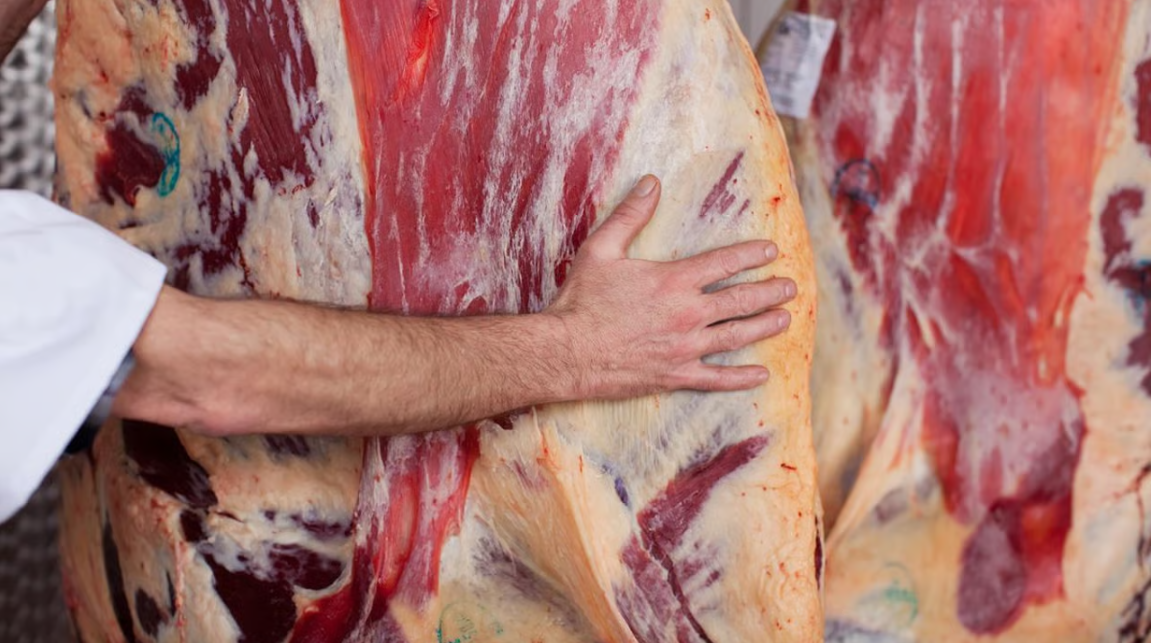
| Carcass weight | |
|---|---|
| Dairy-bred heifers | 250-380kg |
| Dairy-bred steers | 250-380kg |
| Suckler-bred heifers | 250-380kg |
| Suckler-bred steers | 250-400kg |
If this criteria is achieved, farms will be rewarded with a 20c/kg bonus for finishing animals from 2027.
The purpose of the criteria is to help reduce emissions through improved animal performance and younger finishing ages.
The programme includes the following key sustainability pillars:
- Climate action;
- Water quality;
- Biodiversity;
- Soil health;
- Animal health and welfare.
Key messages
On the day, John Gilmore of Emlagh Lodge Veterinary Centre went through the best practices for keeping your animals as healthy as possible.
Gilmore noted that vaccination and dosing programmes are essential, from pneumonia and respiratory syncytial virus (RSV), to worms and fluke, the scope for potential loss in income as a result of diseases and parasites is major.
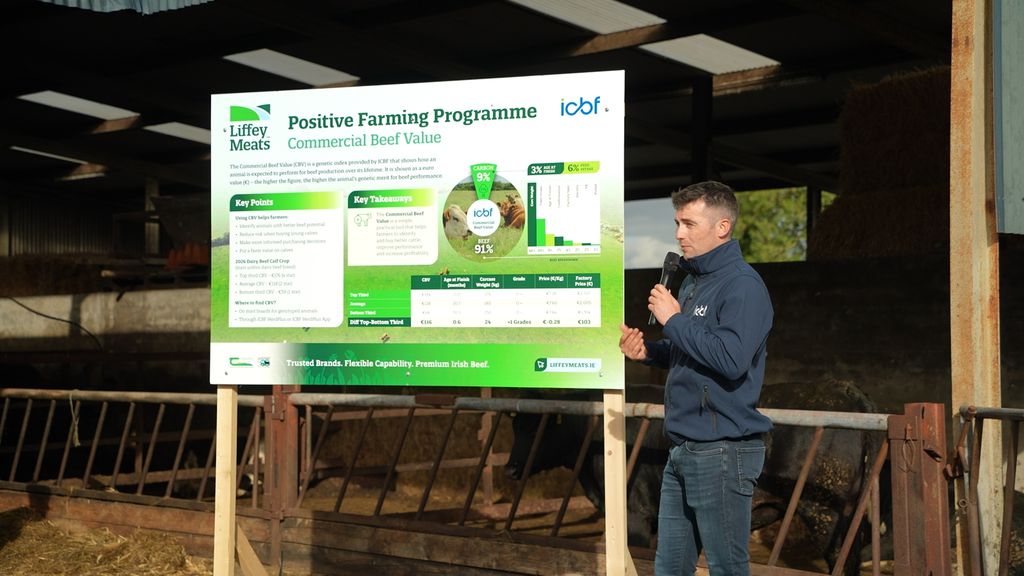
Kealan Hand of the Irish Cattle Breeding Federation (ICBF) took farmers through the CBV, noting that choosing a 5 star CBV calf early on will see greater returns in terms of profitability and sustainability.
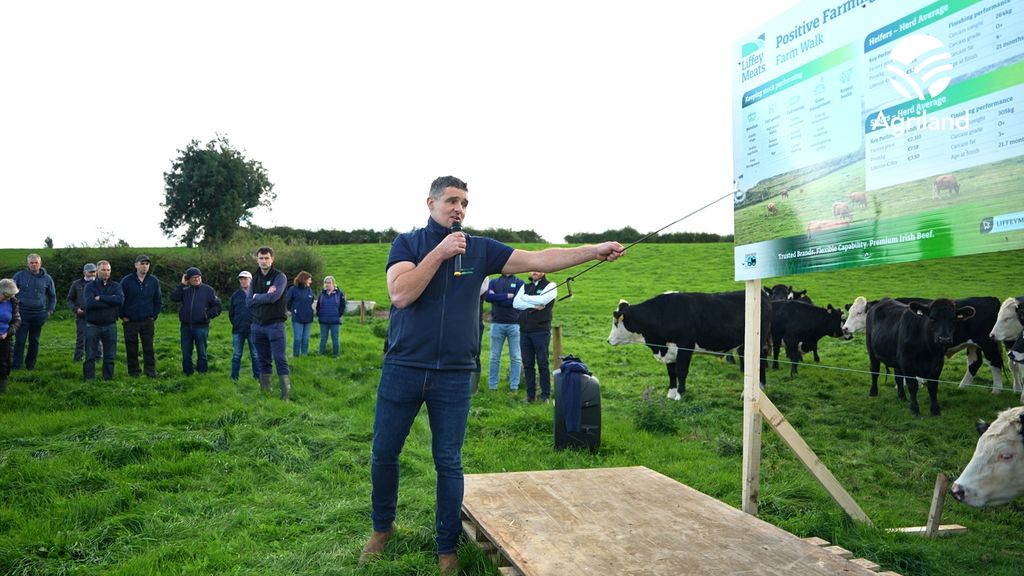
Tommy Cox of Teagasc addressed herd performance, from correct calf rearing procedures, to nutrition, and finally grassland management.
Cox is a programme adviser with the Dairy Beef 500 programme, and has being advising the Beirnes on best practices on their farm for the past two years. The Beirnes are part of the Dairy Beef 500 programme.
All practices, when intertwined, deliver a high-quality animal with a lower carbon footprint.
Sponsored by