Social media bridging gap between modern farming and general public
There is growing evidence that digital and social media are helping to better inform the general public about modern farming systems.
Many people in the UK and Ireland now use these technologies to source news, with newspapers and other traditional media outlets less popular nowadays.
But social media outlets are delivering much more than news; they play a key role in meeting the ever-growing need for information about the broadest possible range of topics amongst the public.
Significantly, production agriculture and the rural way of life are very social media-friendly subject areas.
This reflects the growing popular interest in how food is produced in tandem with the beauty and splendor of the great outdoors.
Digital media is how most people pick up their information on a day-to-day basis and social media, as an arm of that, can bring people right to the heart of a farm.
This is especially important when trying to communicate the message of food production and the farm to fork journey to a wider general audience.
It all adds up to a social media opportunity that can best be profiled courtesy of those outlets with a high reliance on video content. YouTube is one example of this.
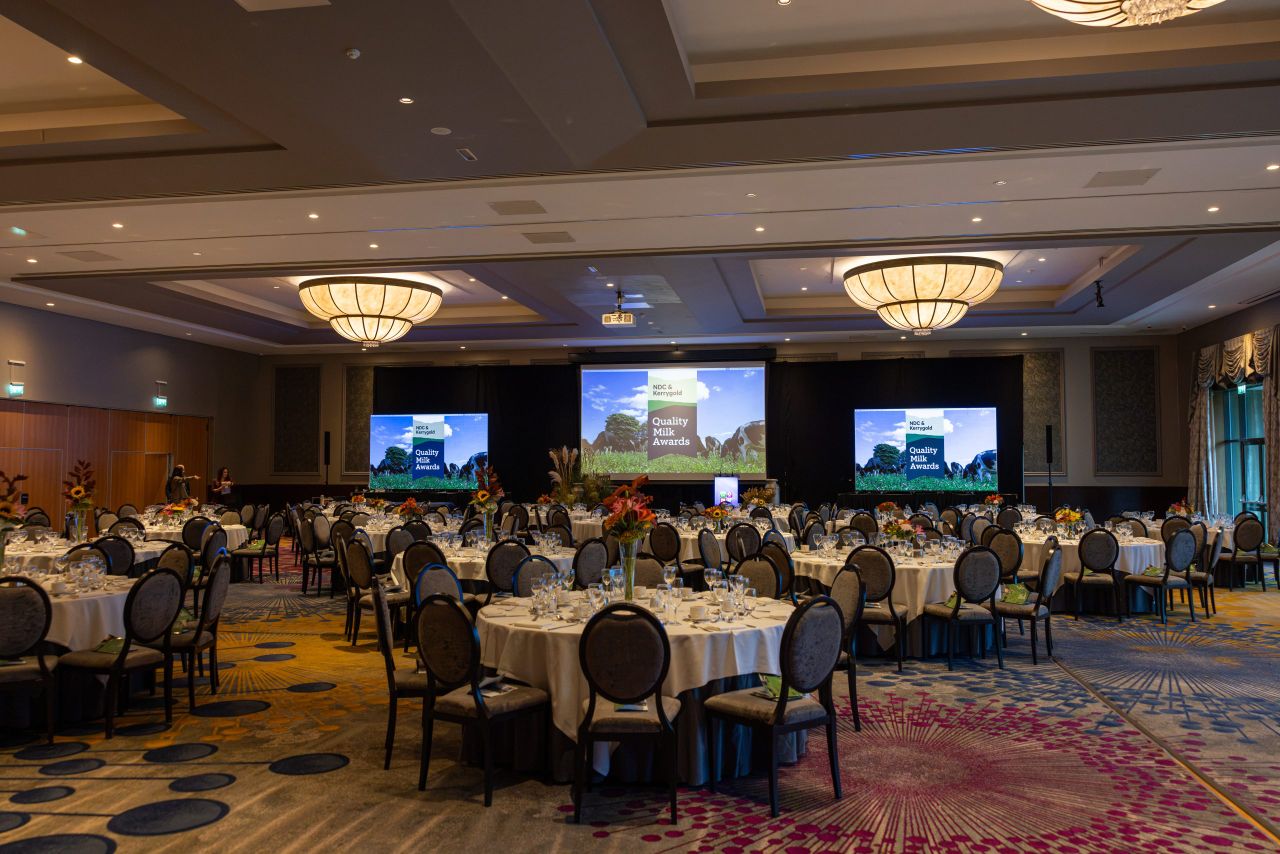
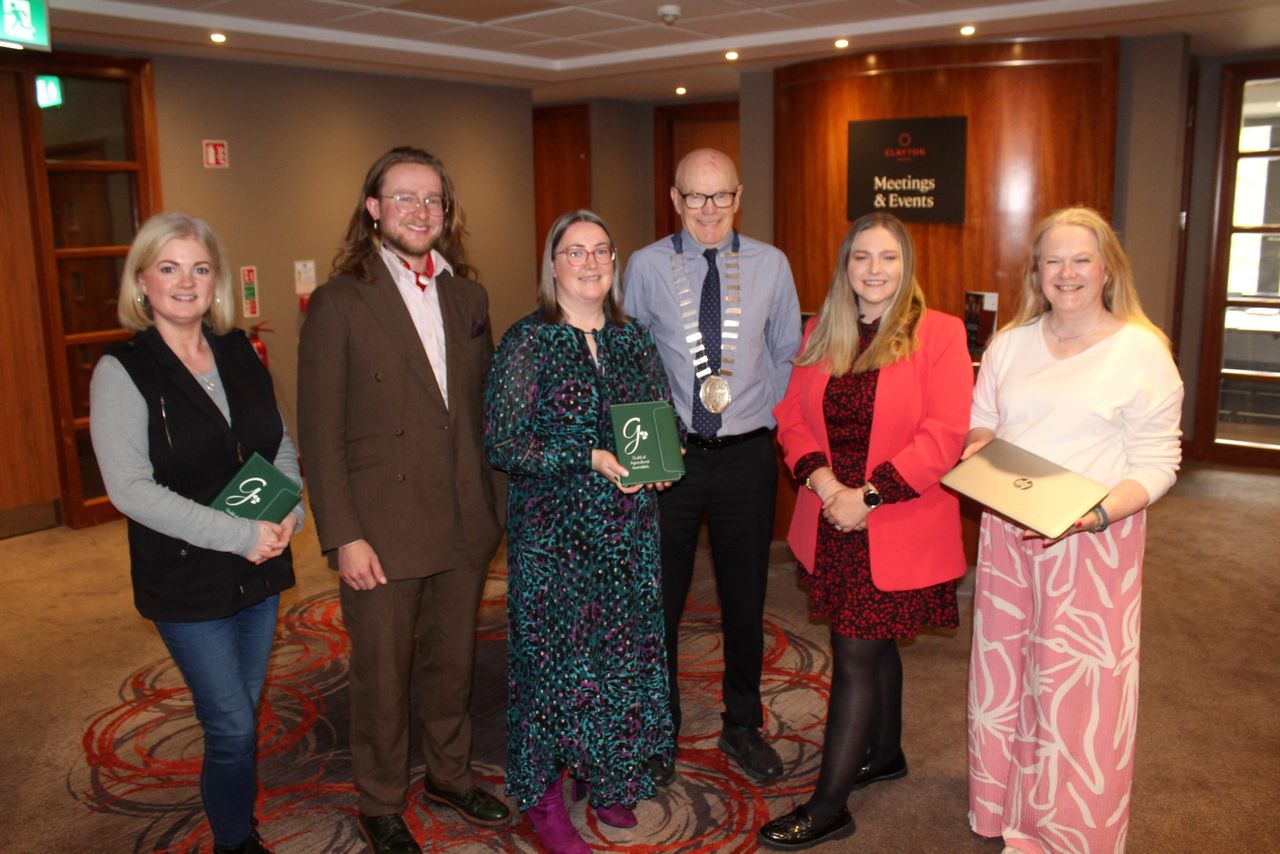
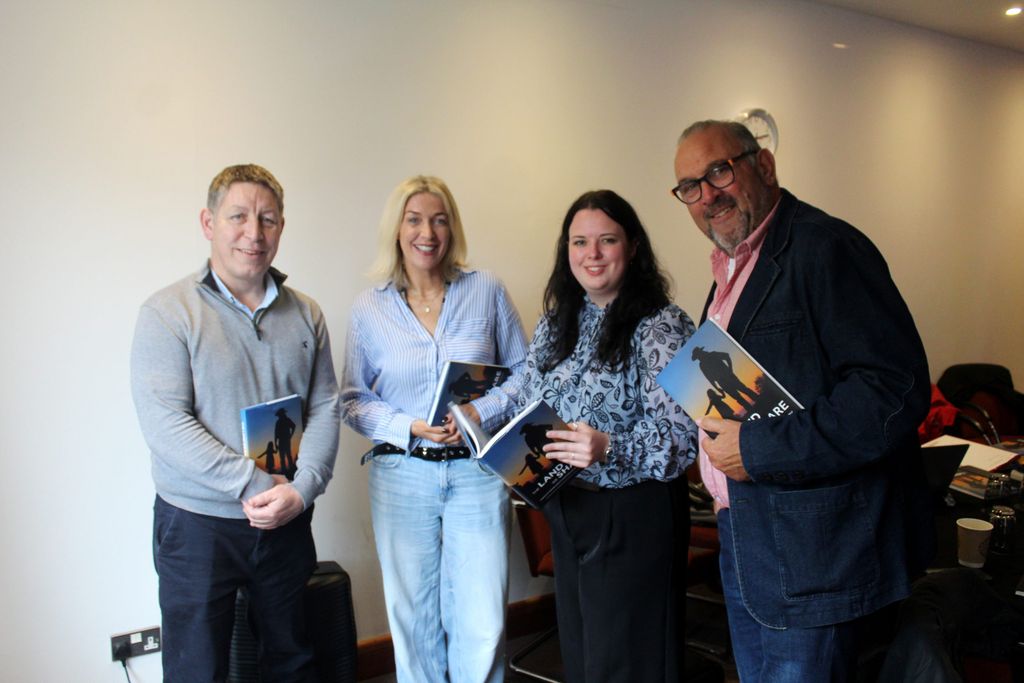
All of these issues were discussed and demonstrated at an event, hosted by the Guild of Agricultural of Ireland (Northern Section) in Belfast.
In addition to profiling the various social media options available at the present time, the event also encouraged those in attendance to ask the pivotal question: how can social media users have a high degree of confidence in the information they gather from these sources?
There was general agreement that information put out on social media by bona fide journalists comes with a higher ‘trust rating’.
Podcasts
The growing popularity of podcasts as an information source was also highlighted at the event by BBC Radio Ulster’s Anne-Marie Wallace who discussed the skill sets and technology required to make it all happen.
The trick is to select a subject area that will be of interest to a specific group or groups across society - and Agriland, as a side note, has it down in spades, with everything from The Farming Week to AgriFocus to The Beef Brief.
The word podcast comes from the merging of the words iPod and broadcast.
In Anne-Marie’s case, she hosts a podcast on the BBC called ‘Alright Pet?'. Her co-presenter is veterinarian, Rob Adams.
The series explores extraordinary animal stories, pet care, and wildlife adventures across the UK.
But, as with all other voice-based forms of communication, podcasting is all about getting the audio right.
Without that all-important sound quality, everything falls on deaf ears, literally.