New ATU veterinary facilities to benefit both farmers and students

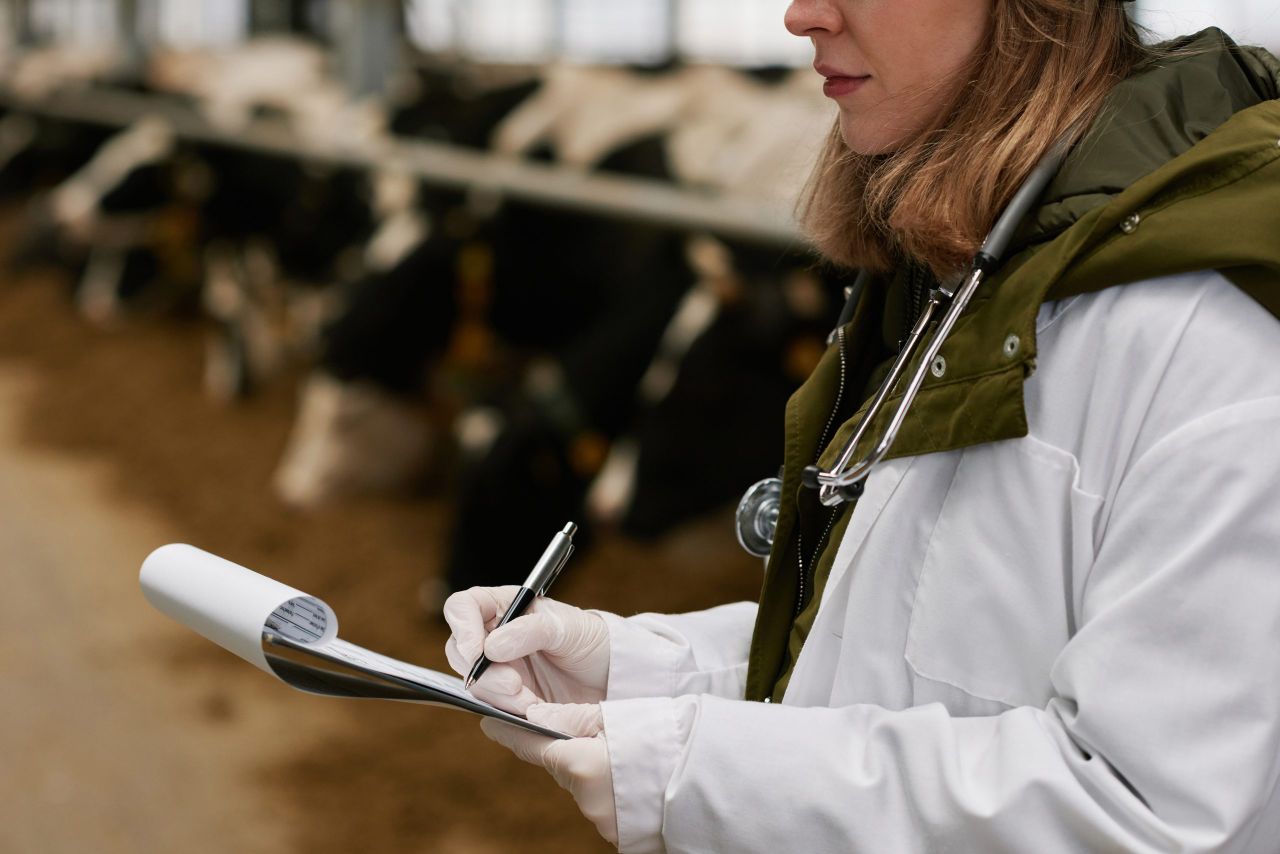
Both students and farmers will be able to benefit from Atlantic Technological University's (ATU) new 1.4m state-of-the-art veterinary facility, according to the head of the department.
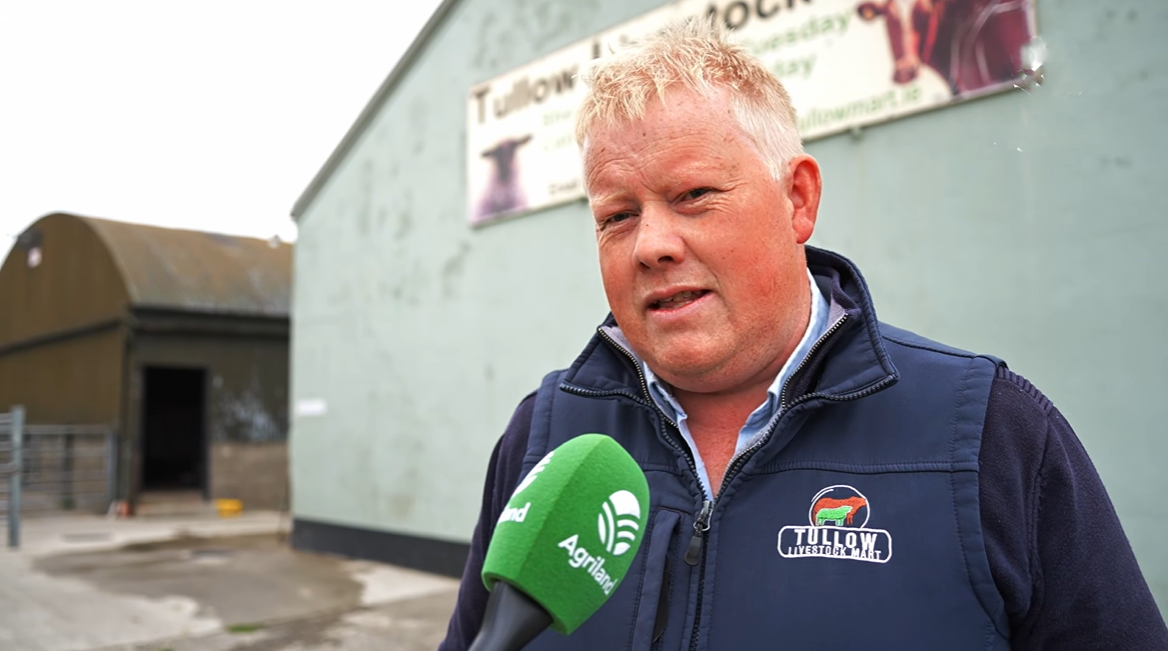
Head of veterinary at ATU, Peter Pollock told Agriland the new facilities at the Letterkenny campus will also serve as a vet clinic for the local community, as well as communities all over Ireland.
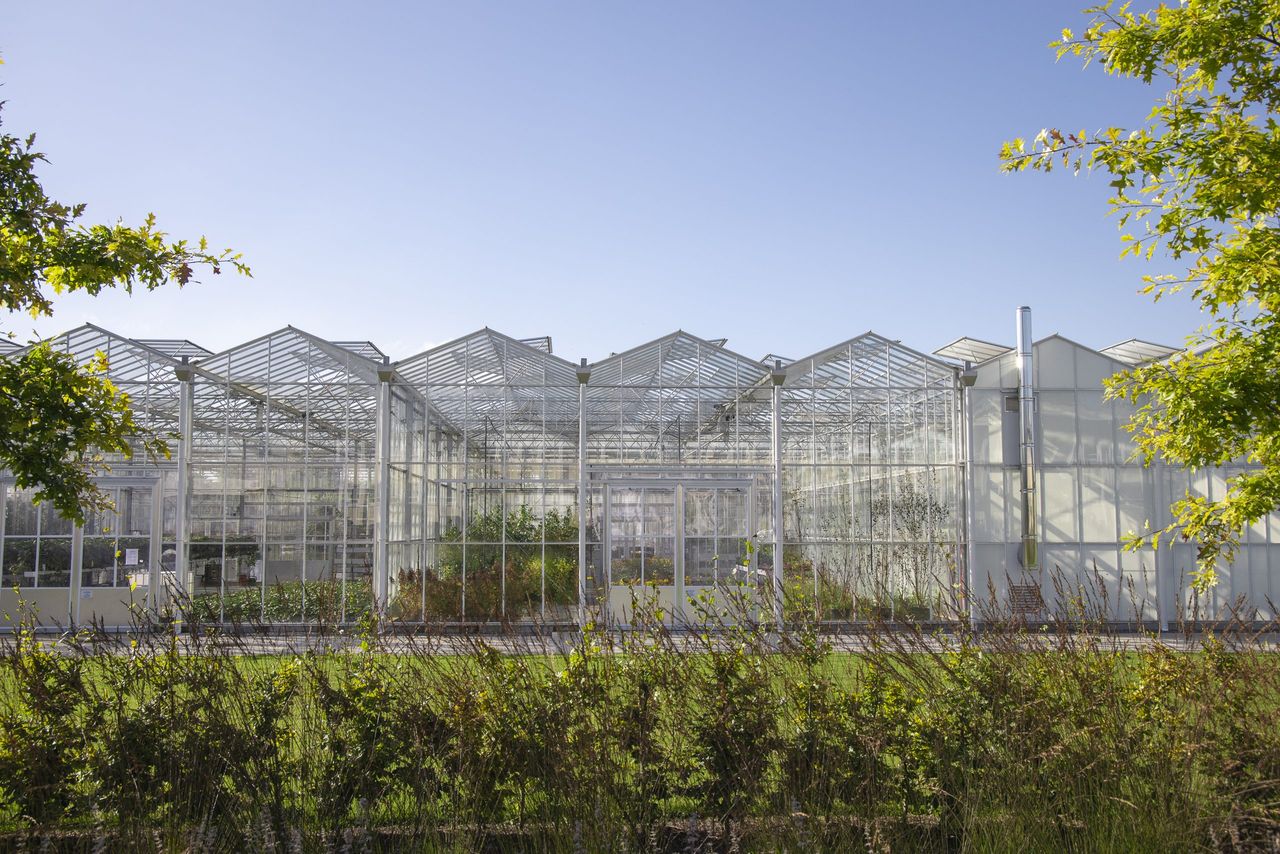
According to Donegal County Council, the project will include new veterinary teaching facilities; a large animal hospital; a small animal hospital; and a farm animal building.
Benefits
Pollock said that the new veterinary facilities will serve as a resource for those in need of animal care, especially farmers who may seek further assistance apart from their own vet.
He explained: “People in the local communities will be able to access specialist care applying to all species, whether it's a dog, a horse, herd health, or even direct animal treatment of farm animal species."
The facility will be available to vets across Ireland "who decides that for whatever reason they need further assistance" with an animal they are treating.
The animal can then be referred to the ATU hospital if necessary.
Farm health
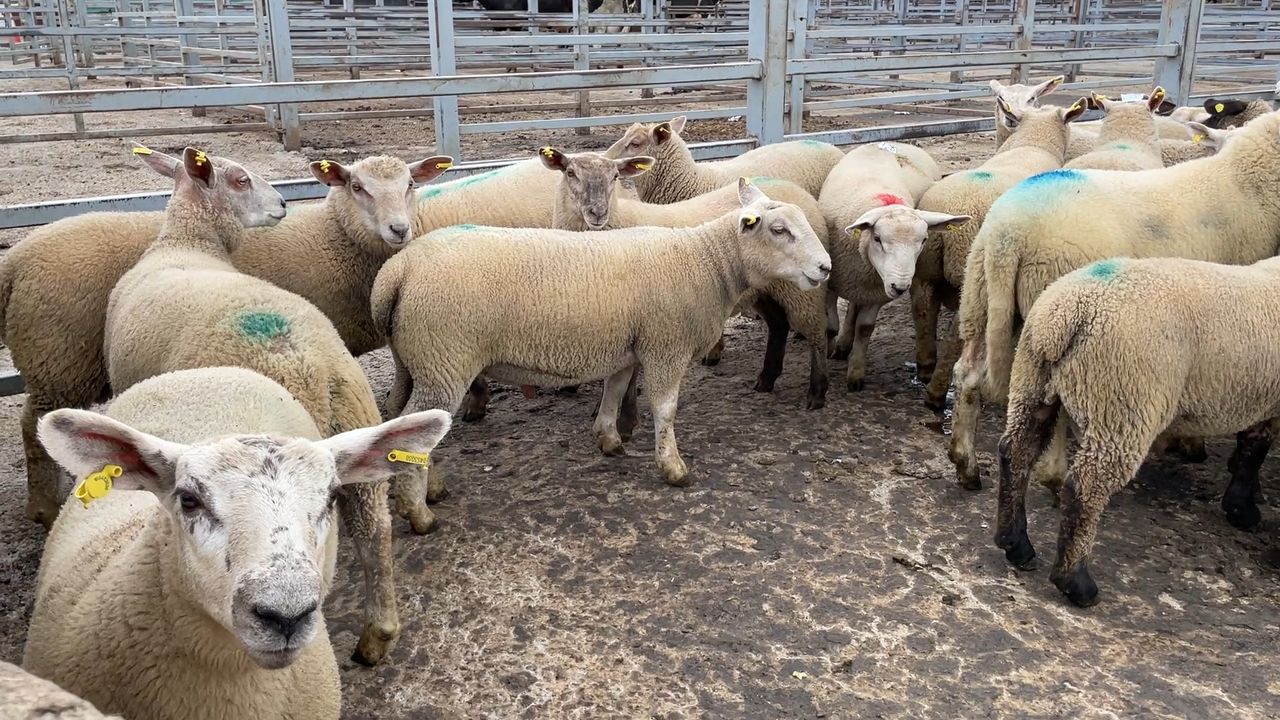
According to Pollock, ATU will also be setting up a herd health hub that will provide services to practitioners; farmers; and animal producers across Ireland.
He said: “We envisage treating individual cattle and sheep and all the farm species, but also providing a herd health hub and an epidemiological centre that can provide advice and support to farmers and vets.”
The farm animal hospital in the facilities will include space for all different pharmacy issues as well as isolation facilities for animals.
Students
Students at ATU will have the opportunity to work alongside real vets and learn on the job as well as experiencing a semester "on the farm" at their Mountbellew campus in Co. Galway.
“So they'll be rooted in Ireland's agricultural heartland, basically working with farm workers, meeting farmers, you know, really getting a feel for what it's like to farm in Ireland," Pollock said.
According to the department head, the course will not only create vets who are well equipped to handle all sorts od issue that may come across working with farm animals, it will also encourage vets to stay in Ireland.
“If somebody from Donegal is trained in Donegal, they're more likely to, to make their long-term sort of life there”