Minister urged to act now as drought threatens fodder reserves

Pressure is mounting on Minister for Agriculture, Food and the Marine Martin Heydon to reconvene the National Fodder and Food Security Committee (NFFSC).
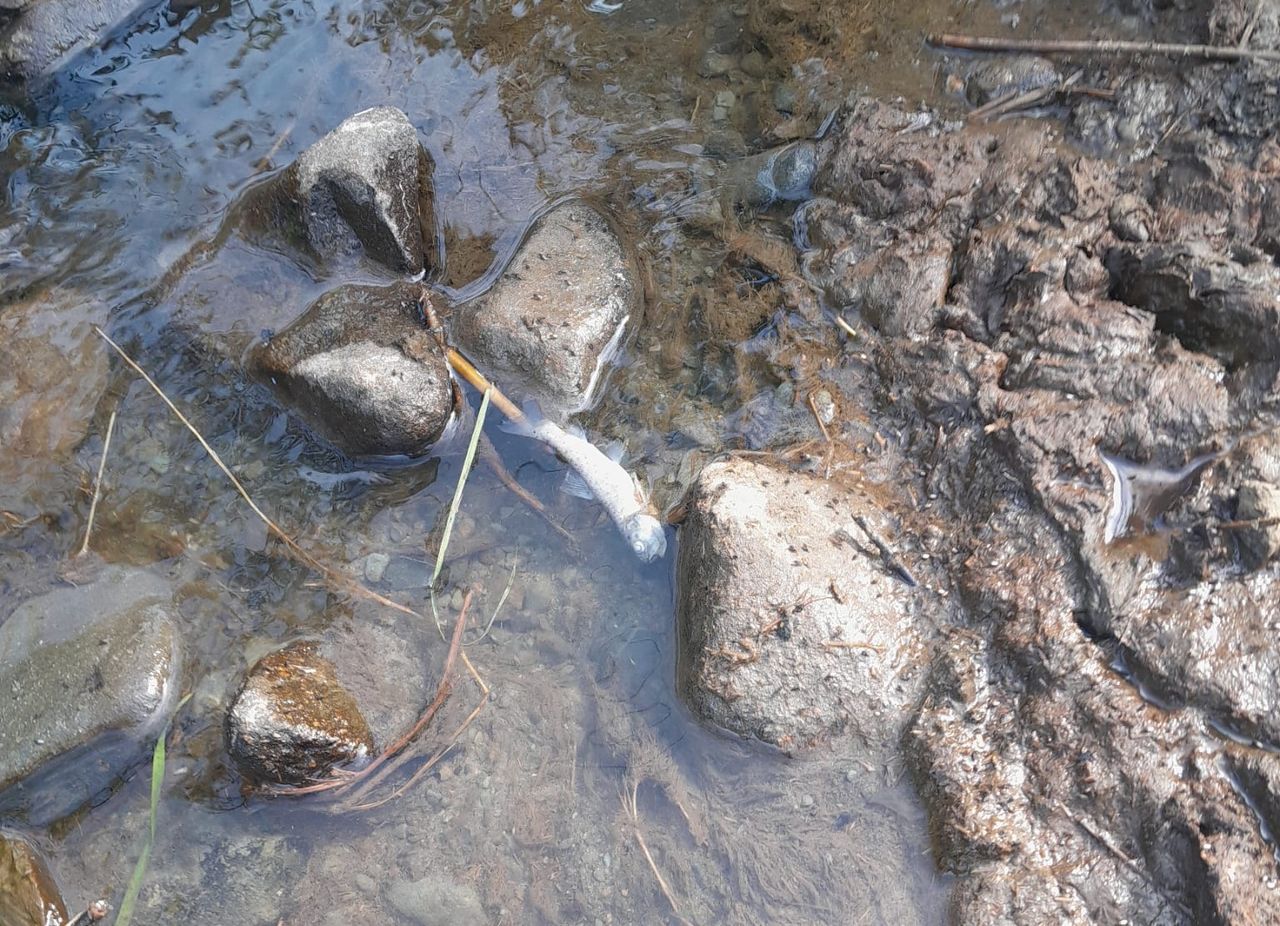
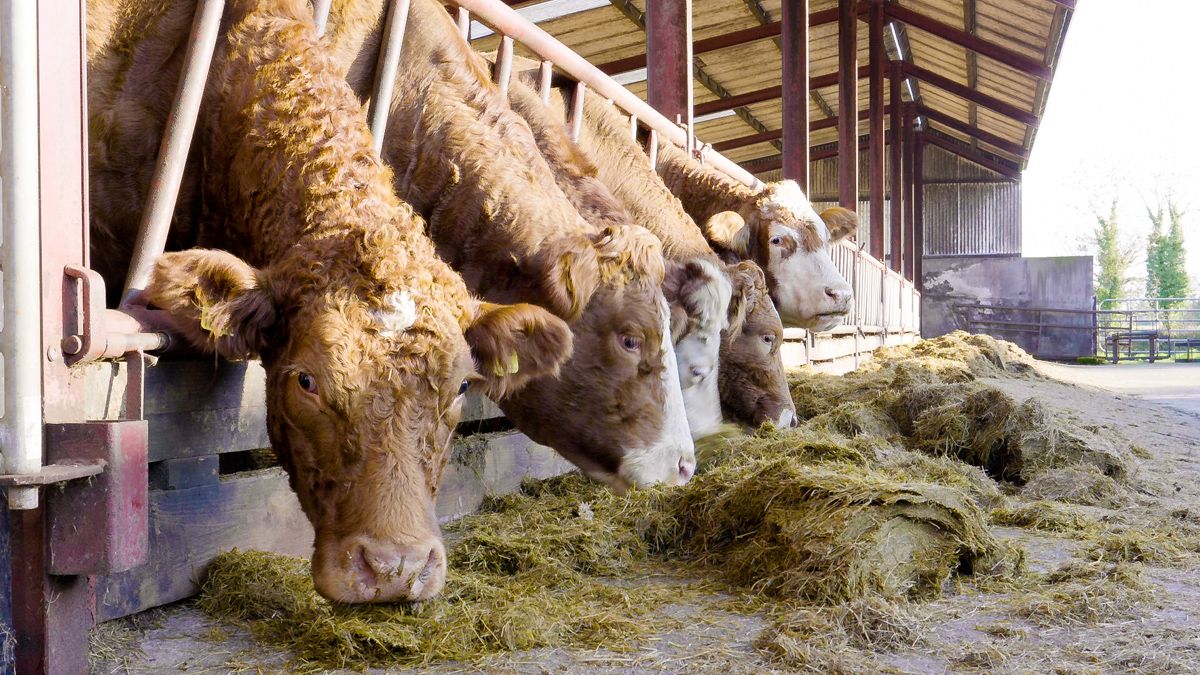
Drought conditions have seen many farmers being left with no option but to feed silage to their animals.
In many parts of the south and east, forage has been fed to livestock continuously since early July.
As surplus fodder has been fed, there is growing concern that winter feed supply is being compromised on some farms.
According to Teagasc, 53% of farms in the south, east and midlands currently have a farm cover below 500kg dry matter per hectare (DM/ha).
Soil moisture deficit is between 60 and 95 mm in the south and east.
Heavy rain that had been forecast last week did not fall in some areas, which in turn impacted growth predictions and on-farm recovery.
Fodder
Teagasc is currently undertaking its annual fodder survey to assess fodder levels on farms ahead of the winter.
The results, expected this month, will provide farmers and the wider industry with an overview of the national and regional fodder situation.
Farmers are being urged to complete a fodder budget to establish what stocks they expect to have in place for the winter period.
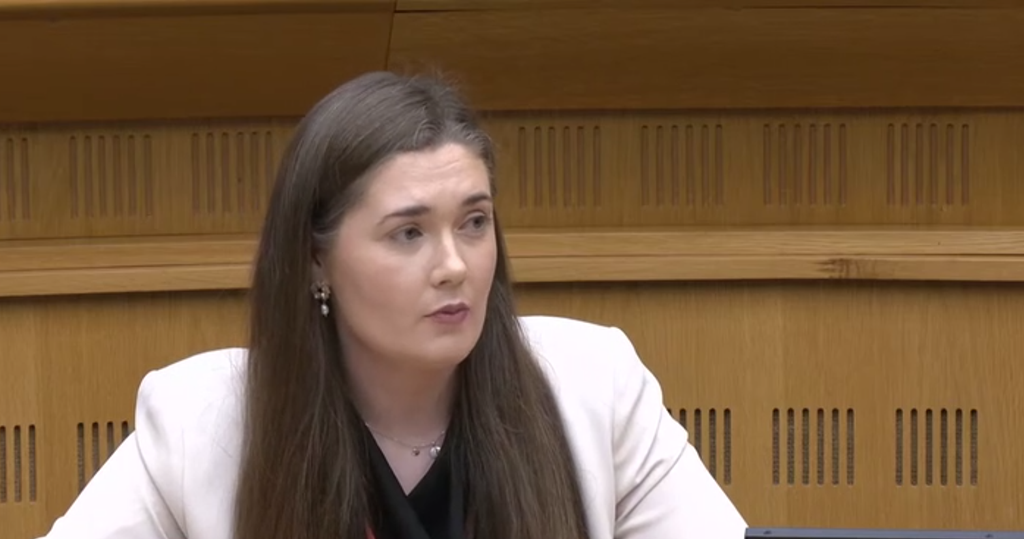
Macra national president Josephine O’Neill raised the growing concerns around fodder supplies with Minister Heydon during a meeting on July 22 and called for the NFFSC to be reconvened.
She subsequently followed up in writing to the minister the following week, reiterating the urgency of the situation.
"Action appears to be slow, but we cannot afford to keep waiting until it is too late.
"The continued dry conditions are putting significant pressure on grass growth and on farmers’ ability to build adequate fodder stocks for the winter," O'Neill said.
The Macra president said the focus must be on preparedness rather than crisis management.
"Farmers, particularly young farmers with limited financial and fodder reserves, cannot afford to wait until there is a crisis before action is taken.
"The National Fodder and Food Security Committee exists to bring the relevant stakeholders together and plan for challenges such as this. It should be reconvened without delay.
"We need an immediate assessment of fodder stocks, grass growth and regional pressures so that contingency measures can be put in place now.
"Waiting until autumn or winter to determine the scale of the problem will simply be too late," O'Neill said.