Underweight heifers threaten profits by over €2,000/head

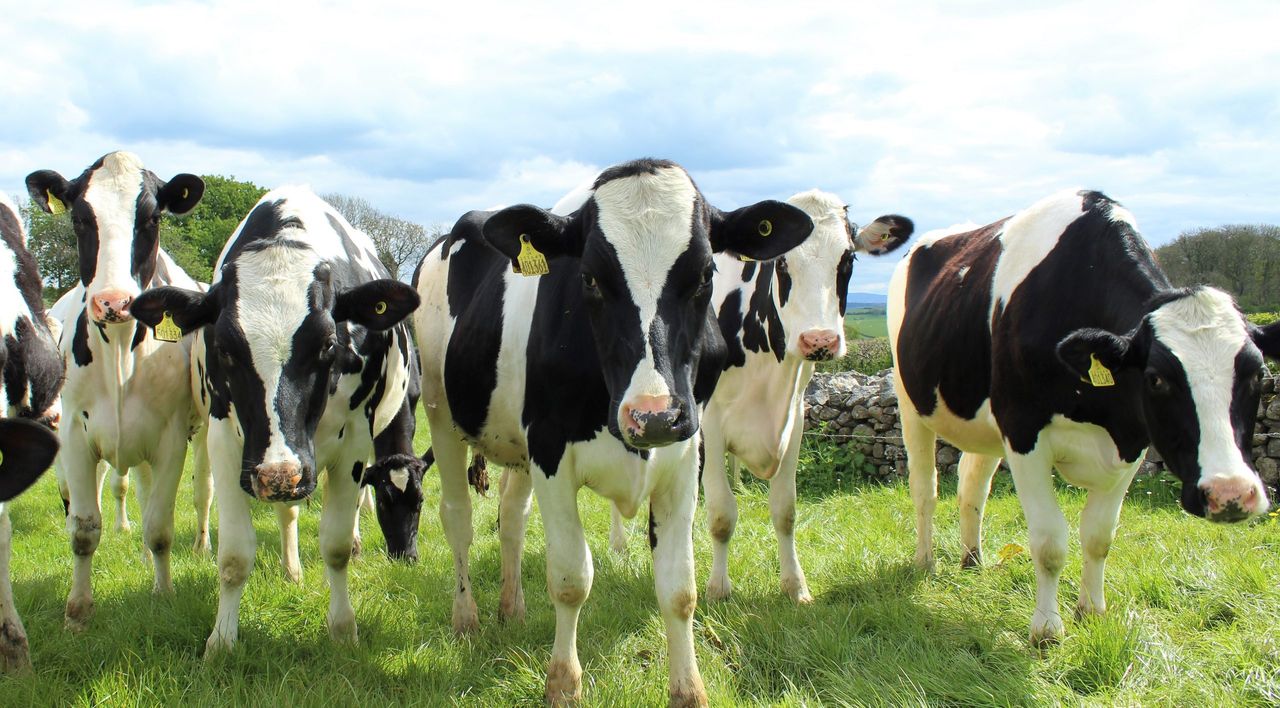
Dairy replacement heifers which are below their target weight coming into their first winter, could affect farm profitability by more than €2,000/head.
It's no secret that the cost of nearly every single farm input has risen once again this year.
One of the increased figures is the cost of rearing dairy replacement heifers, which on average is costing farmers more than €2,000/head now, reaching in excess of €2,500 on some farms.
Looking at the average 100-cow farm maintaining an 18% replacement rate, and not factoring in any contingency heifers, the farm will have 18 heifers entering the parlour annually.
That is a total average investment cost of €36,000 across each group of replacement heifers, before any of the animals ever make an ounce of money for the farm.
Meanwhile, when you look at the Teagasc forecast for 2026 farm incomes, dairy farms are expected to see a 49% reduction in income this year, with the average dairy farm expected to have an income of €78,000.
The figures speak for themselves and show there is very little room for error in the farms key performance indicators this year.
That means heifer rearing needs to be done with care and precision, to ensure the animals are giving the best chance of profitability.
Dairy replacement heifers
One area in which many farms have their profitability indirectly cut is when replacement heifers are not meeting target weights.
The majority of farms often look at weanlings as a group, feeling they can see any deficiencies.
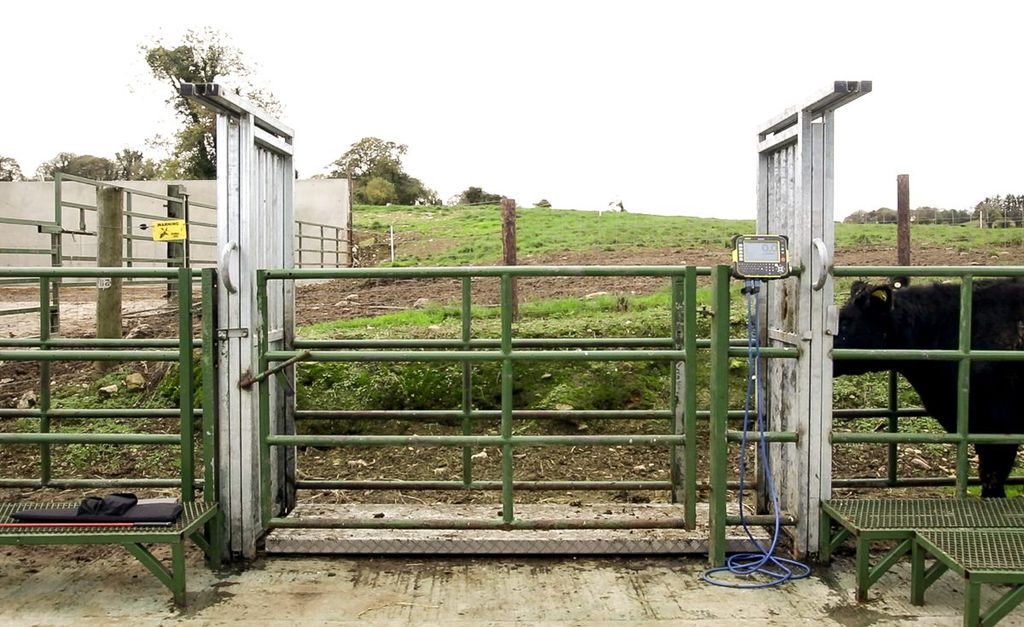
In reality, it may be a good idea to take out the scales and weigh your replacement heifer calves, as a few individuals can easily slip through the cracks and veer off target before any problems are ever noticed.
The risk of the whole group being behind is also higher this year as drought conditions swept through the country, and are still persisting in some areas.
Weanlings often end up in a paddock with a routine diet, which can be easily forgot about in terms of adjusting the diet to suit the drought conditions, leaving them to fall off target over the month.
Under-target heifers that go forward for breeding can have reduced fertility.
When they do calve down, they tend to have an inability to reach their full production potential, and can have poor health and resistance, ultimately leading to earlier culling.
If this is the case, the heifer will more than likely not make back her estimated rearing costs of more than €2,000, or may make it back but not provide any profit to the farm.
Therefore, weighing your weanling heifers now and establishing weights will give you time to correct any below target calves before they are back off grass and housed for the winter.
Target weights
Your heifers should be at least 30% of their mature bodyweight at this stage. This can calculated through the average maintenance figure in the herd.
If your maintenance figure is only reflective for a number of cows as Economic Breeding Index (EBI) data is unavailable for several cows in the herd, weighing around 8-10% of the mature cows in the herd will give you a fair understanding of the mature bodyweight.
Weight targets for February-born dairy heifer calves in August based on mature bodyweight and the maintenance index figure, are as follows:
| Maintenance index EBI (€) | -51 | -22 | 7 | 36 | 64 |
| Mature weight (kg) | 690 | 640 | 590 | 540 | 490 |
| Target kg for the end of August | 207 | 192 | 177 | 162 | 147 |
The table above shows the targets for mid-to-late August weights based on mature weight. A farmer should calculate the group average and identify the calves that are behind the average.
The calves behind the target should be possibly grouped on their own and allocated access to more concentrates and fodder until they catch up with the rest of the heifers.
Ensure that all calves are fit and healthy as sometimes, with underweight calves, diseases such as summer scour, lungworm, stomach worms, coccidiosis or pneumonia affect the calves, leading to severe weight loss and even death if not nipped in the bud.
Farmers need to make sure that all calves are dosed regularly, vaccination protocols followed, and that calves have access to fresh grass regularly, water, and fibre through hay or straw.
Calves should be eating at least 2.2% of their target bodyweight by now, which equates to about 4kgDM/ day for a Friesian-type calf.