Maternity supports: System needs to 'work for women' in farming

Challenges related to maternity supports for women in farming have been highlighted by many involved in the agricultural sector.
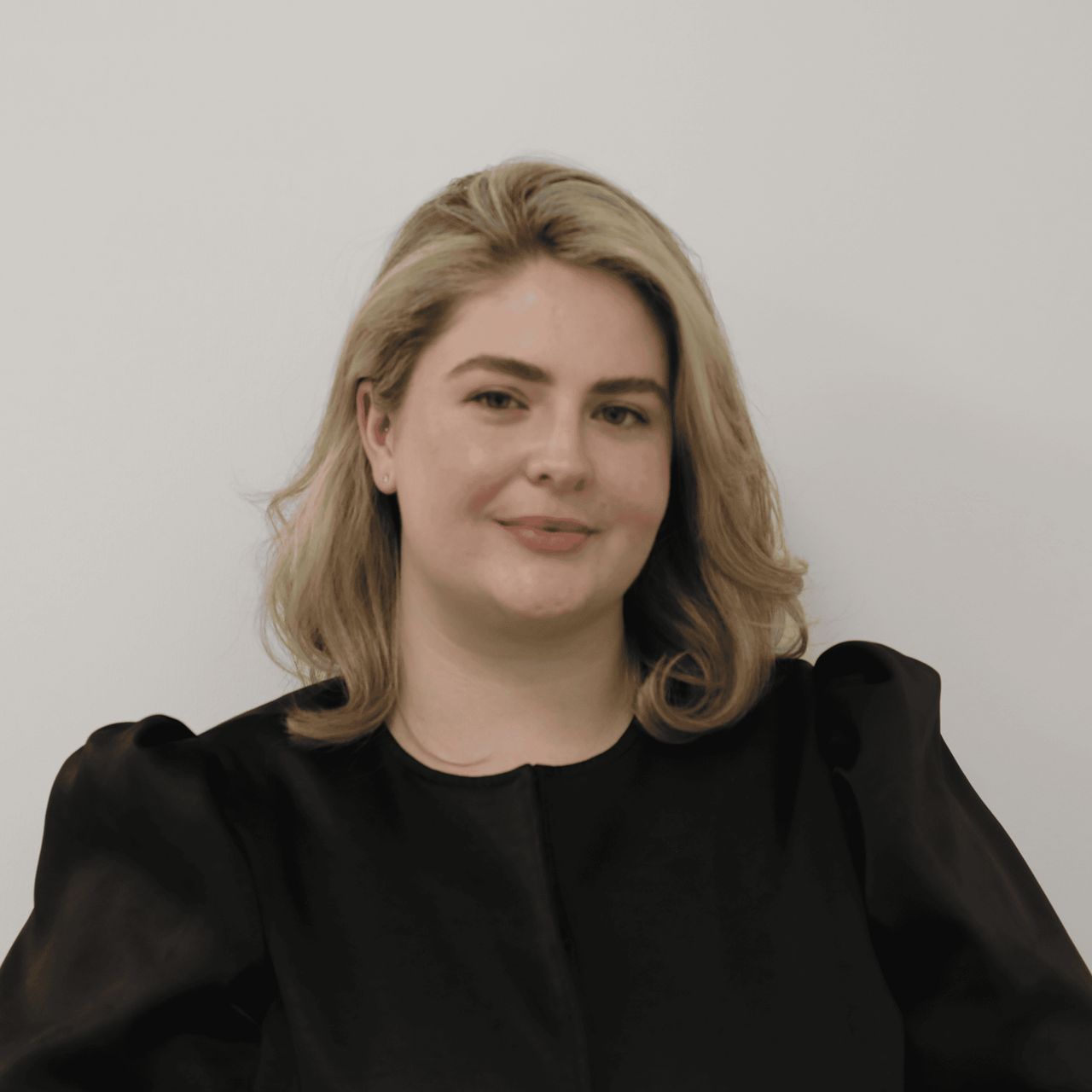
Michelle Murphy, research and policy analyst with Social Justice Ireland, said that the system needs to "work for women" in the sector.
She said this is important in terms of generational renewal in farming.
This comes as the United Nations declared 2026 the International Year of the Woman Farmer.
The initiative aims to spotlight the essential roles women play across agri-food systems, from production to trade, while often going unrecognised.
Barriers
Barriers to female participation in agriculture include the challenge of combining farm work, off-farm work and caring responsibilities, as a report highlighted last year.
The spouse of the farm holder, who is often a woman, faces additional barriers produced through the intersections of tax, social welfare and agriculture policies.
A study led by researchers at Maynooth University and funded by the Department of Agriculture, Food and the Marine (DAFM) on women in agriculture last year had, for the first time, provided an in-depth profile of female farmers in Ireland, identifying the barriers they face and recommending policy changes to tackle them.
The report from the project - HER-SELF - said that the agriculture sector needs to attract women in greater numbers to ensure future sustainability.
It made several recommendations to make farming more equitable, including calling for a full equality impact assessment of the intersections of agriculture policy with tax rules and social welfare entitlement criteria.
Changes
Michelle Murphy said this area of policy related to women in agriculture and accessing maternity cover would have been a "great thing" for Ireland to "champion" this year.
While Ireland offers maternity benefit, challenges can arise such as ensuring enough Pay-Related Social Insurance (PRSI) contributions have been made, and in farmers being able to actually take leave and hire labour to cover duties on the farm.
She said practical barriers are important to tackle, and especially when it comes to succession and encouraging women into the sector and "future-proofing" it.
She said the government should be working with women farmers to consider and address in terms of maternity leave what the needs are in this area and "what changes can be made to make the system just easier to manoeuvre or manage for people".
Murphy told Agriland it is important young people have "clarity and certainty" when it comes to being able to access social welfare payments when they are needed.
She also raised the issues families in rural areas face in securing childcare.
"When we're talking about succession and trying to attract people into farming, these are the things you need to have in place for them for different stages of their life, that [they] will be able to access support," she said.
Murphy added that it is important work continues in progressing the outcomes and recommendations of the 12-point Action Plan published in 2024 that arose from the National Dialogue on Women in Agriculture.
Future policy
In July 2025, the European Commission published its legislative proposals for the EU Budget (Multiannual Financial Framework) and the Common Agricultural Policy (CAP) for the period 2028–2034.
EU Commissioner for Agriculture Christophe Hansen had said that the commission is recognising "the importance of mental health and work-life balance for farmers".
The proposals include introducing support for farm relief services during sickness, childbirth, or holidays.
Maternity benefit
In Ireland, the Department of Children, Disability and Equality has legal and policy responsibility for maternity leave for employees, which is provided for in the Maternity Protection Act 1994.
The Department of Social Protection (DSP) has legal and policy responsibility for maternity benefit.
Maternity benefit acts as income replacement when a person is on leave following the birth of a child.
The Department of Social Protection (DSP) explained: "It is paid at the weekly rate of €299 to both employed and self-employed women who are on leave from work and who meet the PRSI contribution conditions.
"It is paid for 26 weeks, two weeks of which must be taken before the due date of birth and at least four weeks after the birth of the child."
Women in farming eligibility
The DSP said that farmers who are self-employed in their own right are eligible for maternity benefit if they are on leave from work, and they have paid the required PRSI contribution conditions, in respect of a minimum annual income of €5,000 in the relevant years.
Farmers may also be working alongside a spouse or civil partner.
"The social welfare legislation recognises that the social insurance status of family members working in a family business can vary," the department said.
"Family members who run a business or farm as a partnership and each earn at least €5,000 a year are insured as self-employed contributions, giving them their own social insurance record and subject to the conditions of the scheme, can access to long-term and most short-term benefits, including maternity benefit."
Farm partnerships must be registered with DAFM.
The DSP said that "with about 3,000 registered farm partnerships in Ireland, social insurance access for self-employed farmers and their spouses/partners is adequately facilitated".
The Department of Agriculture told Agriland it has engaged with the Department of Social Protection on "issues relating to women in agriculture, focusing on operational barriers, information sharing and awareness raising, rather than seeking to create sector-specific benefits".
"In this regard, the department, in association with the DSP, delivered a session on social protection benefits and supports as part of its 2025 Winter Webinar series last December," a DAFM spokesperson said.
"The session included information on farmers, spouses, and partners PRSI contributions and the benefits that are available where the required number and class of contribution has been paid."
Agriland series
Agriland's 'Groundbreakers' series, proudly supported by FBD, is highlighting the important role of women in farming.
The series, which includes articles, videos and podcasts, is showcasing a number of diverse experiences in light of 2026 being International Year of the Woman Farmer.
Issues being examined include innovation and diversification, generational renewal, and the evolving identity of Irish farming.