How does cattle housing influence performance?

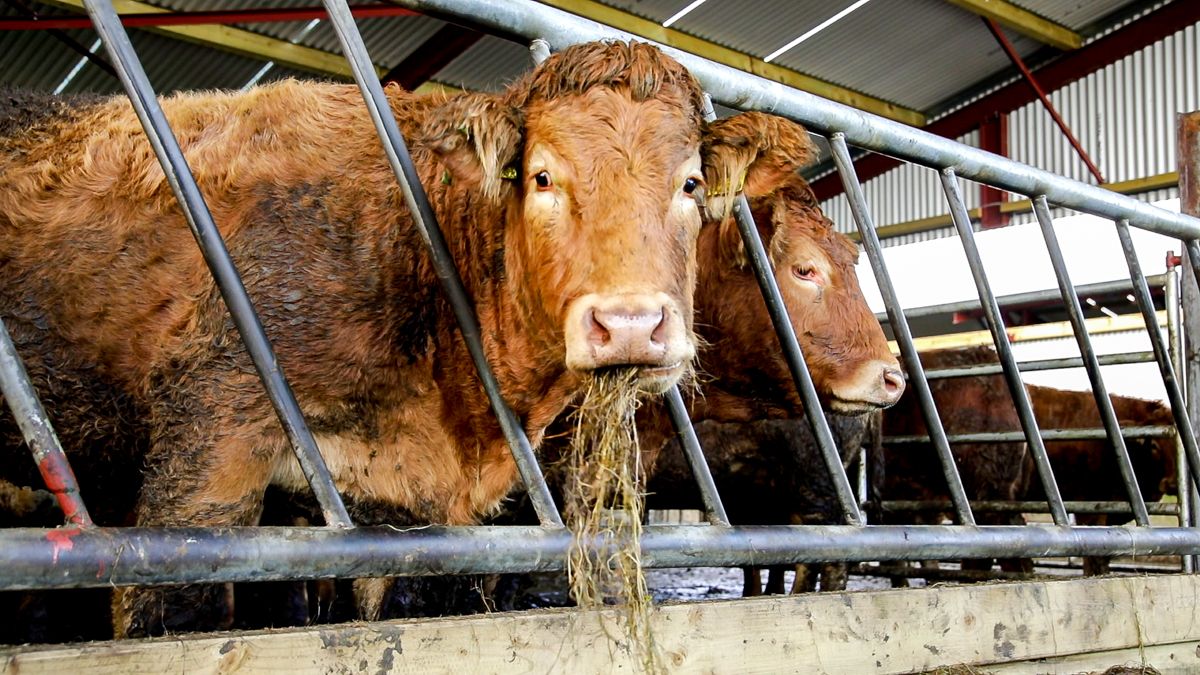
The national biennial beef open day took place at Teagasc Grange in Co. Meath today on Wednesday, July 1 where farmers saw how housing conditions can influence cattle performance.
Agriland was in attendance and it saw how Teagasc researchers looked at the potential impact of cattle housed on rubber slats and straw bedding compared to solid concrete.
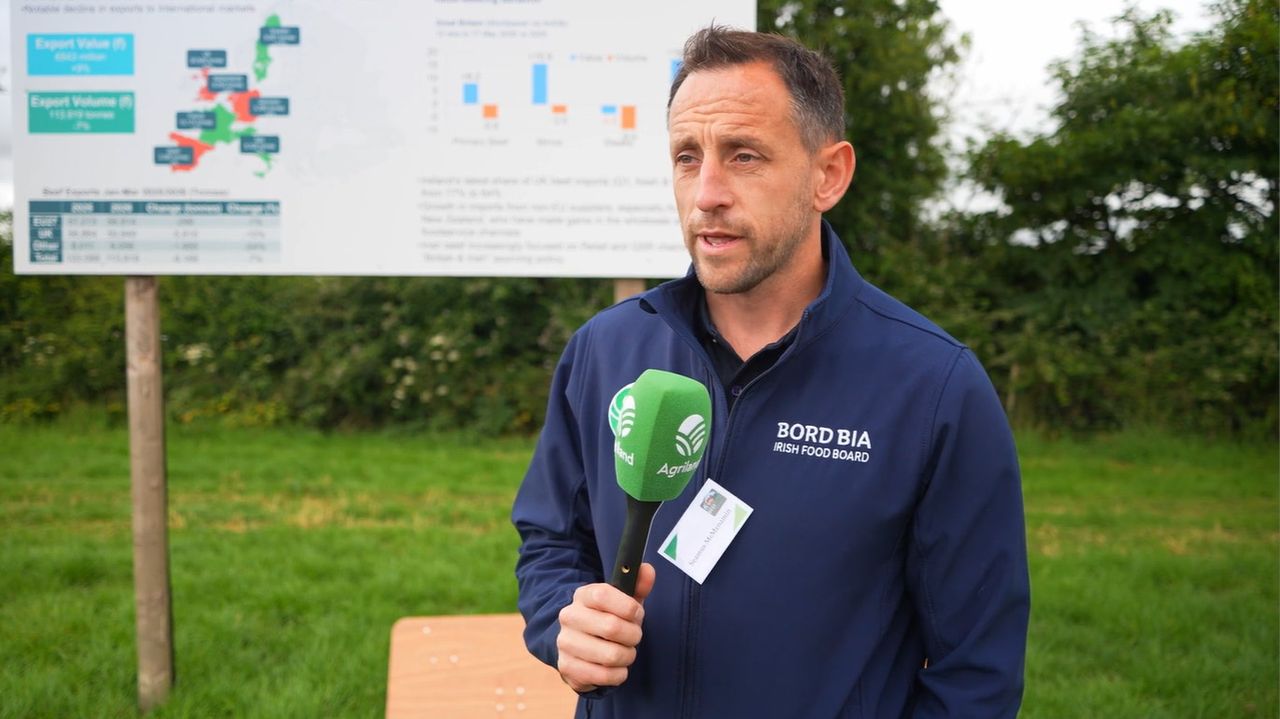
Speaking to Agriland at the event, Teagasc business and technology advisor David Hallissey outlined the performance benefits for 590kg steers during the finishing period from rubber mats while noting that "Straw bedding didn't show any performance gain over your concrete slats."
The trial found that rubber mats were the best floor type and when cattle finished on mats over 120 days had a higher Average Daily Gain(ADG) of 0.18kg/DM compared to concrete. Cattle on rubber mats spent nearly one extra hour lying down, and had an 11kg heavier carcass weight on average with no increase in feed intake.
Cleanliness was also measured and interestingly, concrete slats showed the highest cleanliness. Straw bedding had the lowest cleanliness despite regular removal and replenishing of straw and a 5m² lying space allocation (3m² for concrete and rubber mats).
Space requirements
Teagasc researchers also trialed how space allowance in a pen can impact cattle performance. Teagasc recommends that finishing cattle should have a 2.2-2.7m² space allocation or 4m² if housed on straw.
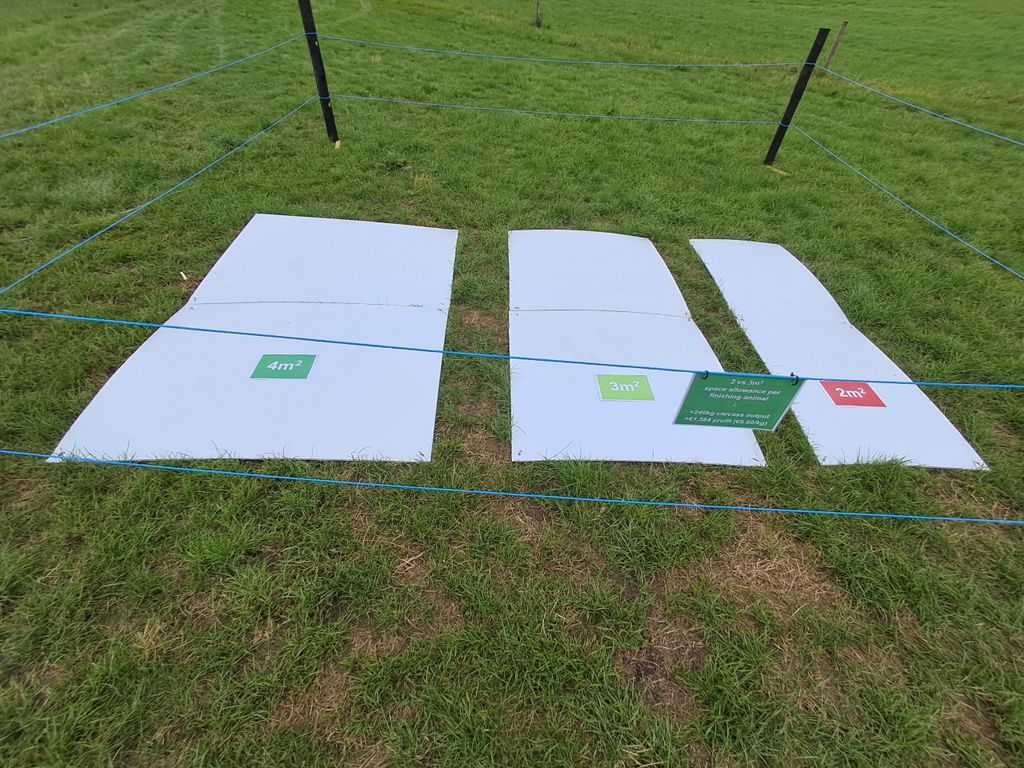
For the trial, cattle were housed in pens with space allocations of 2m², 3m² and 4m². The results show that finishing cattle allocated 3m² lying space compared to 2m² were 240kg of carcass weight better off or over €1,500 more profitable at €6.60/kg. Cattle on 2m² saw an ADG of 200-600grams lower.
Hallissey pointed to the significant performance improvement when cattle are given adequate lying space but also noted that there was no "significant difference" when space allocations went beyond 3m².
Hallissey advised farmers to also consider feeding space as it often falls below recommended allocations. Teagasc recommends that when feeding Ad-lib silage, finishing cattle require 400-500mm/head. If feeding restricted silage, this increases to 600-650mm/head to prevent cattle from failing to thrive.