How much money could a drought shave off the milk cheque?

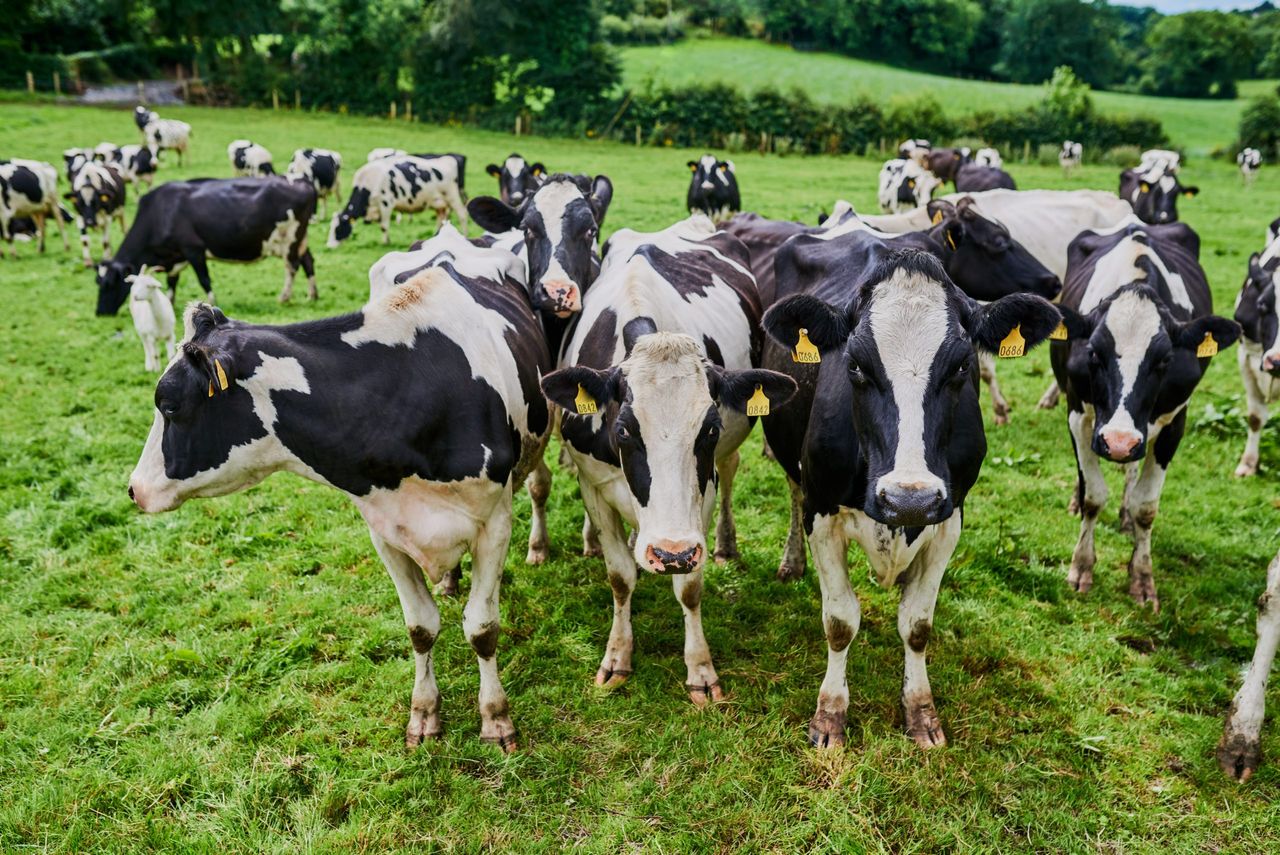
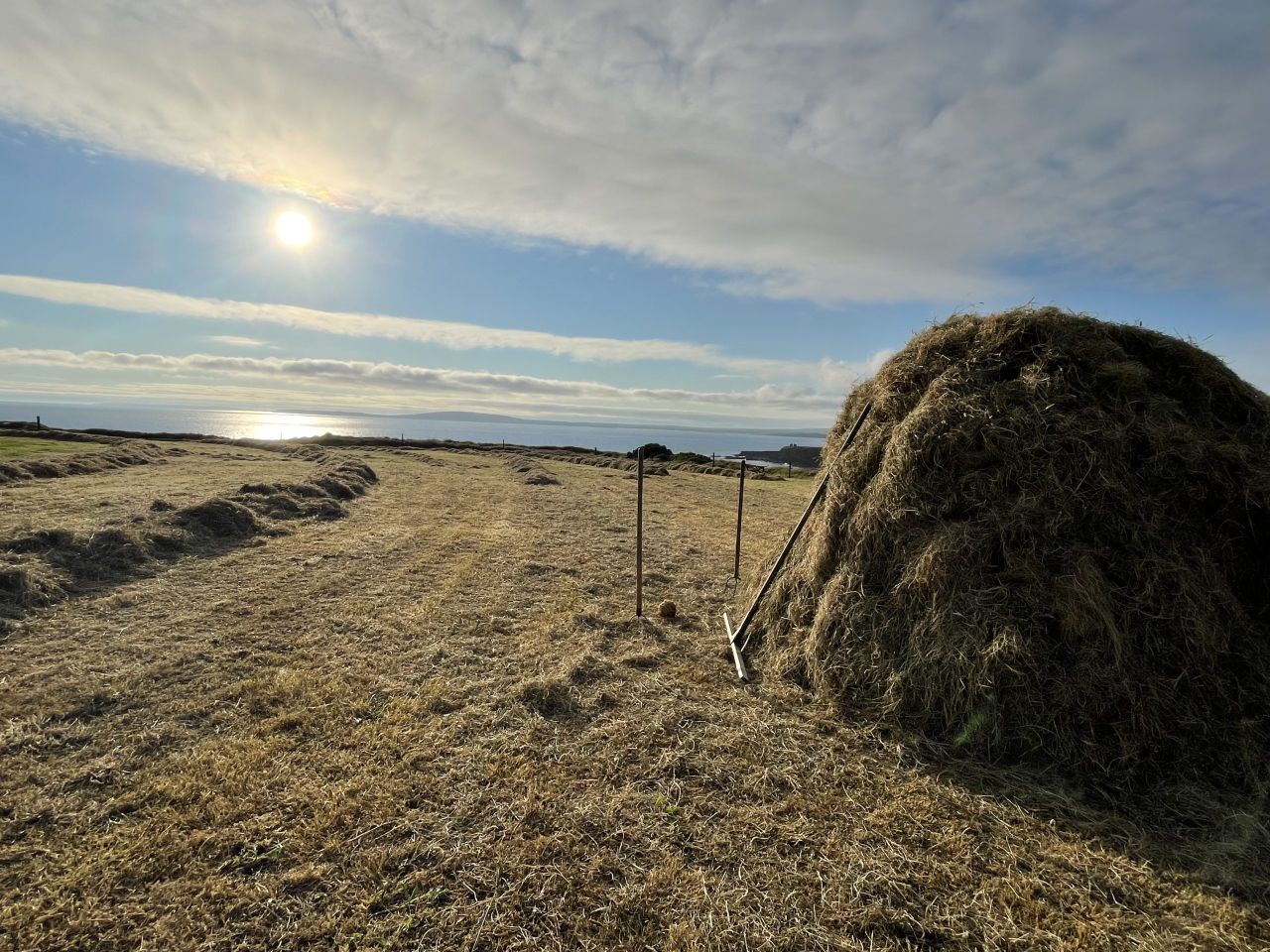
Soil moisture has already hit deficits of 70mm, and with Met Éireann forecasting further drying, farmers will be beginning to feel the sting of yet another drought.
June and July droughts have become the new norm in the last number of years, with farmers feeling the financial impact each time they hit.
Grass growth rates are not stagnant across the country as of yet, but they are falling rapidly and in danger of dropping below demand, which would be the official start of a drought.
If that happens, farmers must be on the ball to ensure their cow's energy intakes are still being met, or bear the cost of lost milk production.
What does a drought cost?
One of the first things to look at is water availability; cows will be feeling the heat, meaning water intake will be on the up.
It is fair to assume in this heat that cows are drinking up to 140L/head. Insufficient availability will be felt through milk production as cows will need 4-4.5L of water for every kg of milk they produce.
The second thing to look at is the cow's intake; even if grass availability begins to fall you need to ensure your cows are getting at least 18-18.5kg DM/head.
A drop of 1kg of dry matter (DM) in the cow's diet will subsequently lead to a drop of between 0.85 and 1.05 UFL, depending on the quality of the feed, which can result in a reduction of up to 2L/cow/day in milk production.
The amount of grass the cow is consuming should be calculated and then you can fill the gap with other feeds, such as concentrates, silage, or straights such as soya hulls.
When calculating how much grass the cow is intaking, or how much feed you've allocated, the quality of the pasture has to be considered as a cow is not going to have the same level of intakes on poor quality, stemmy grass.
It's always worth remembering, grazed grass is costing farmers approximately €95/t of dry matter, while silage can cost up to €260/t, and dairy nuts up to €400/t.
Unfortunately, it is a cost that farmers must be willing to pay in droughts, as the alternative can be much more costly.
Milk cheque
According to the Irish Cattle Breeding Federation (ICBF), average milk production has already slipped from 24.14kg milk/cow to 23.51kg milk/cow between the week ending July 3 and yesterday (July 10).
If a farm milking 100 cows lost that mere 0.63kg of milk, the difference in milk production per day would amount to the following;
| 03/07/2026 | 10/07/2026 | |
|---|---|---|
| Milk supplied (L and kg) | 2,344L or 2,414kg | 2,282L or 2,351kg |
| Protein | ||
| Percentage | 3.5 | 3.5 |
| Kg | 84.49 | 82.3 |
| €7.049/kg of protein | €595.57 | €580.13 |
| Fat | ||
| Percentage | 4 | 4 |
| Kg | 96.56 | 94 |
| €4.197/kg of fat | €405.26 | €394.52 |
| Volume adjustment | €93.76 | €91.28 |
| A+B-C | €907.07 | €883.37 |
The example above shows a difference in income of €23.7 per kg of milk per day for a 100-cow herd, which may seem miniscule but in fact it adds up to €734.70 in lost profit over a month.
If the dry weather continues and a hard drought begins to build creating a situation where cows are not getting enough water or their energy intake drops, we can expect that figure to more than double.
On the upside, Met Éireann has forecast scattered rainfall and thundershowers, so we can hope that growth does not drop well below demand and that we do not experience a hard drought like that seen in other years.