Letter to the editor: Cigarettes identified as key cause of wildfires by Achill team

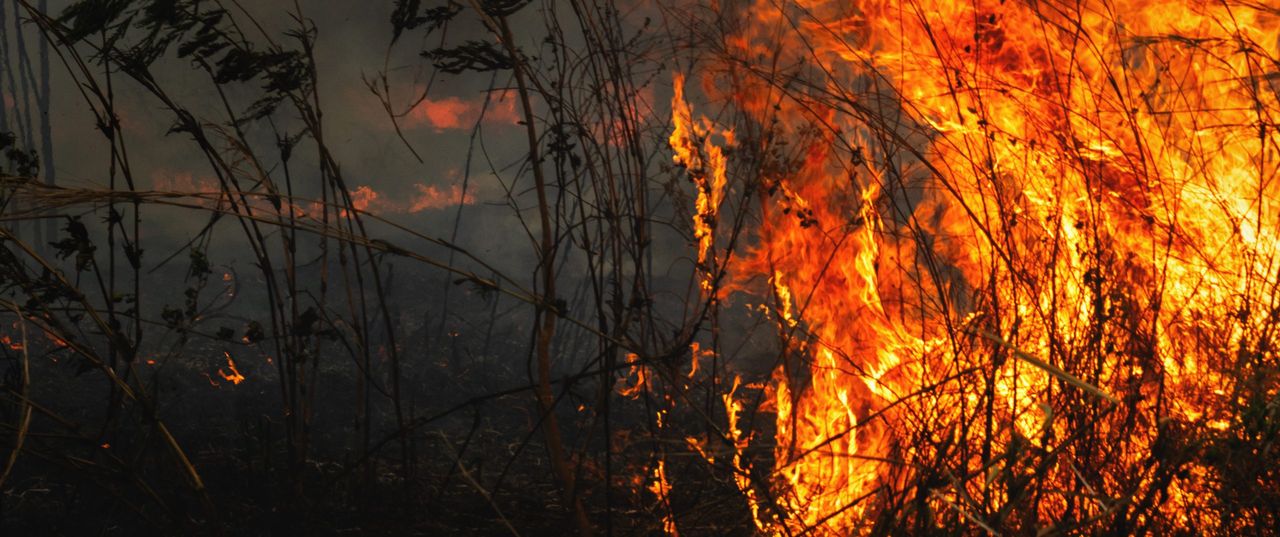
Like many people, we have watched with great concern the recent wildfires across counties Kerry, Tipperary and other parts of the country.
I am part of the Achill Irish Farmers' Association (IFA) Commonage Fire Watch Team.
Following a series of major mountain and roadside fires, our local IFA branch began systematically recording every wildfire incident, regardless of size.
To date, we have monitored 13 separate fires, documented their locations and likely causes, and worked closely with Mayo County Council, fire services and other public bodies to identify practical preventative measures.
Our records show that only one of these recorded fires was associated with a disposable barbecue.
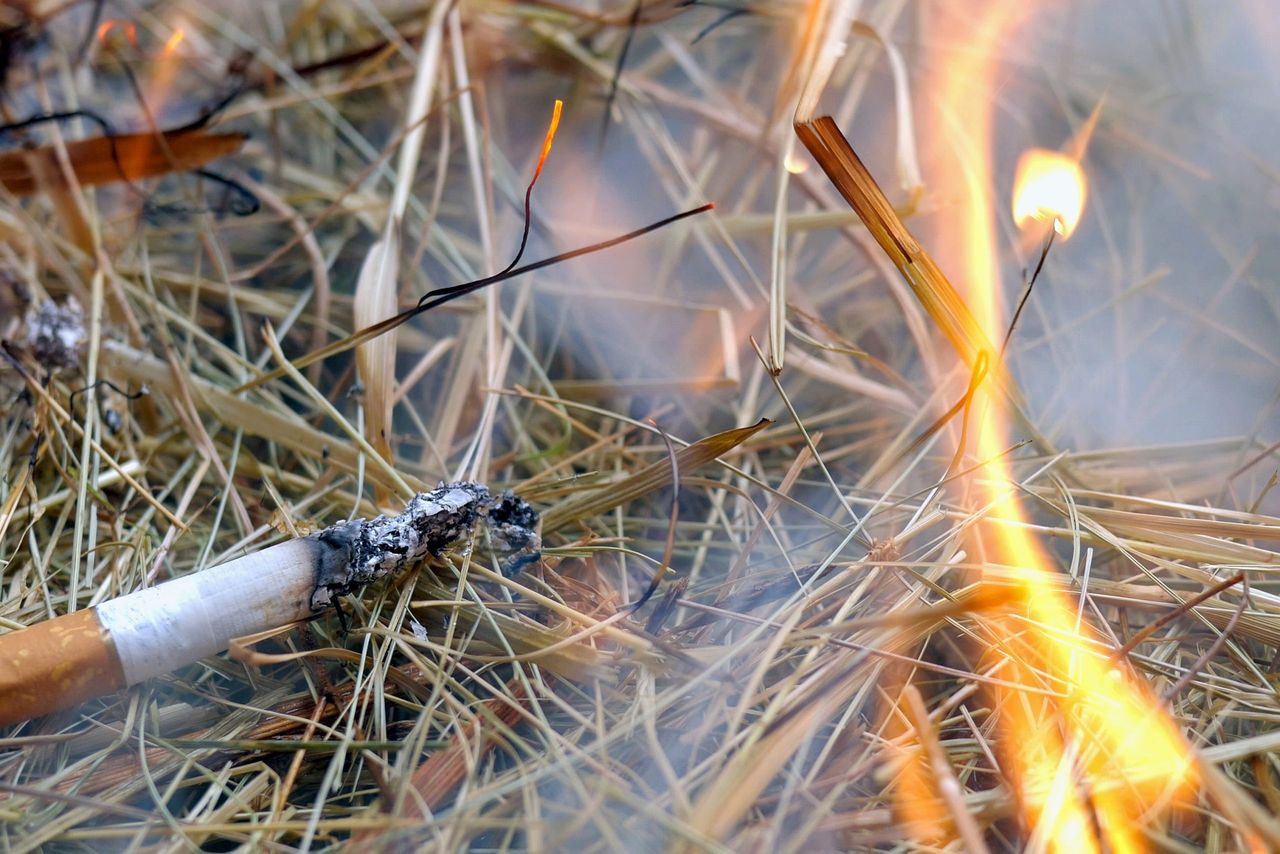
The remaining incidents all originated from roadside locations and, from the evidence gathered locally, were strongly consistent with discarded cigarette butts thrown from passing vehicles into dry roadside grasses and gorse.
Fire prevention
Rather than simply highlighting the problem, the Achill branch has worked constructively with the relevant authorities to identify practical solutions.
As a result, additional temporary fire warning signs have now been erected at identified high-risk locations, and Mayo County Council carried out a second-cut of roadside grass margins and upland roadside vegetation immediately before the recent period of exceptionally dry weather.
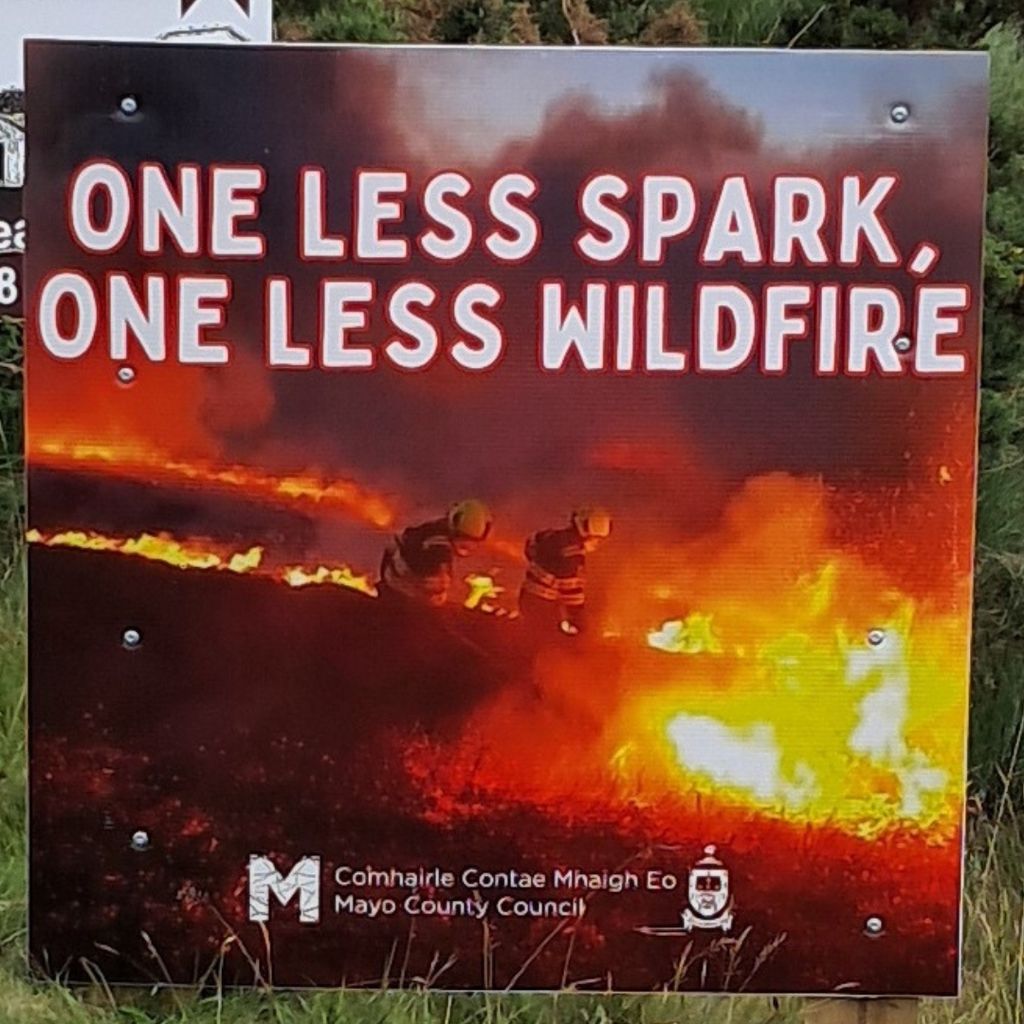
These are practical, preventative measures that we believe have made a positive contribution to public awareness and reducing wildfire risk.
One issue that also deserves wider discussion is the impact these fires have on farming families.
Following major wildfires, farmers can face reductions in Department of Agriculture, Food and the Marine (DAFM) area-based payments where land has been burned.
This is despite there often being little or no evidence that they were responsible for the outbreak.
This was an issue experienced by farmers on Achill, and it is one we believe merits careful examination as similar incidents occur elsewhere around the country.
For this reason, the Achill Commonage Fire Watch Team will continue to monitor and record every wildfire outbreak in the parish.
Our objective is to build an evidence base that helps identify patterns, improve prevention, protect rural communities and ensure that responsibility for fires is determined by evidence rather than assumption.
As recent events have shown, wildfire is no longer an isolated local issue.
It is becoming a significant challenge for rural Ireland, affecting public safety, farming, biodiversity, emergency services and local communities.
It requires coordinated action between local authorities, Fire Services, DAFM, the National Parks and Wildlife Service (NPWS) and rural communities themselves.
Perhaps the greatest lesson from the Achill parish is that preventing the next wildfire is far less costly than responding to it once it has started.
Through practical measures, local cooperation and evidence-based decision-making, many of these fires can be prevented before they ever become emergencies.
From James Kilbane, Achill, Co. Mayo