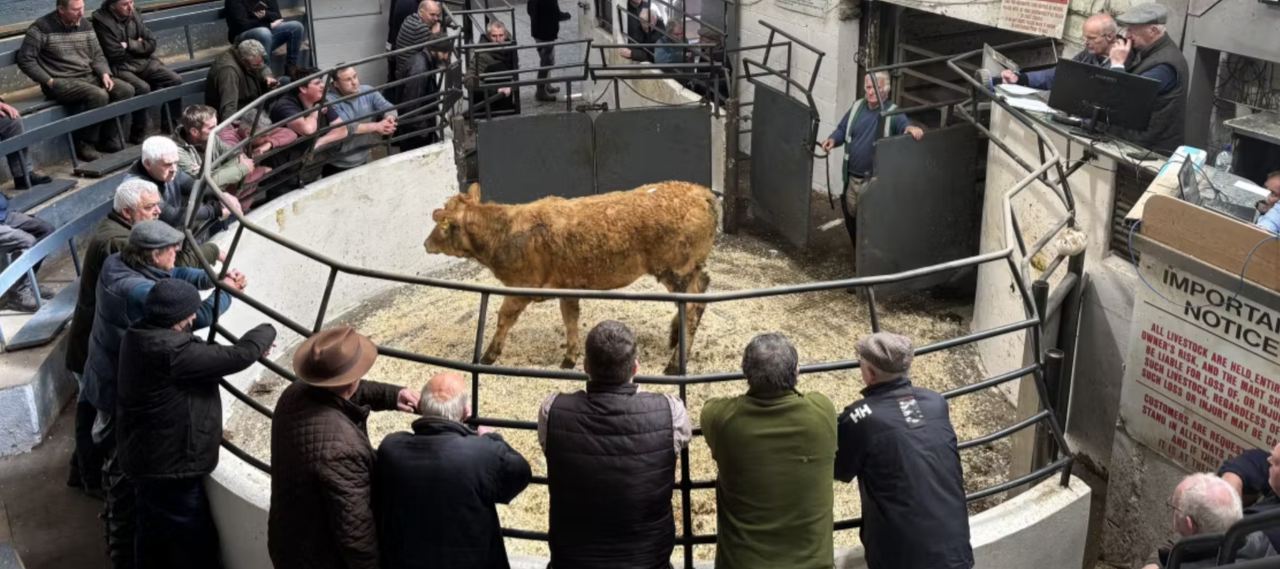
Kildare 700-head beef finishing research unit hosts farm open day
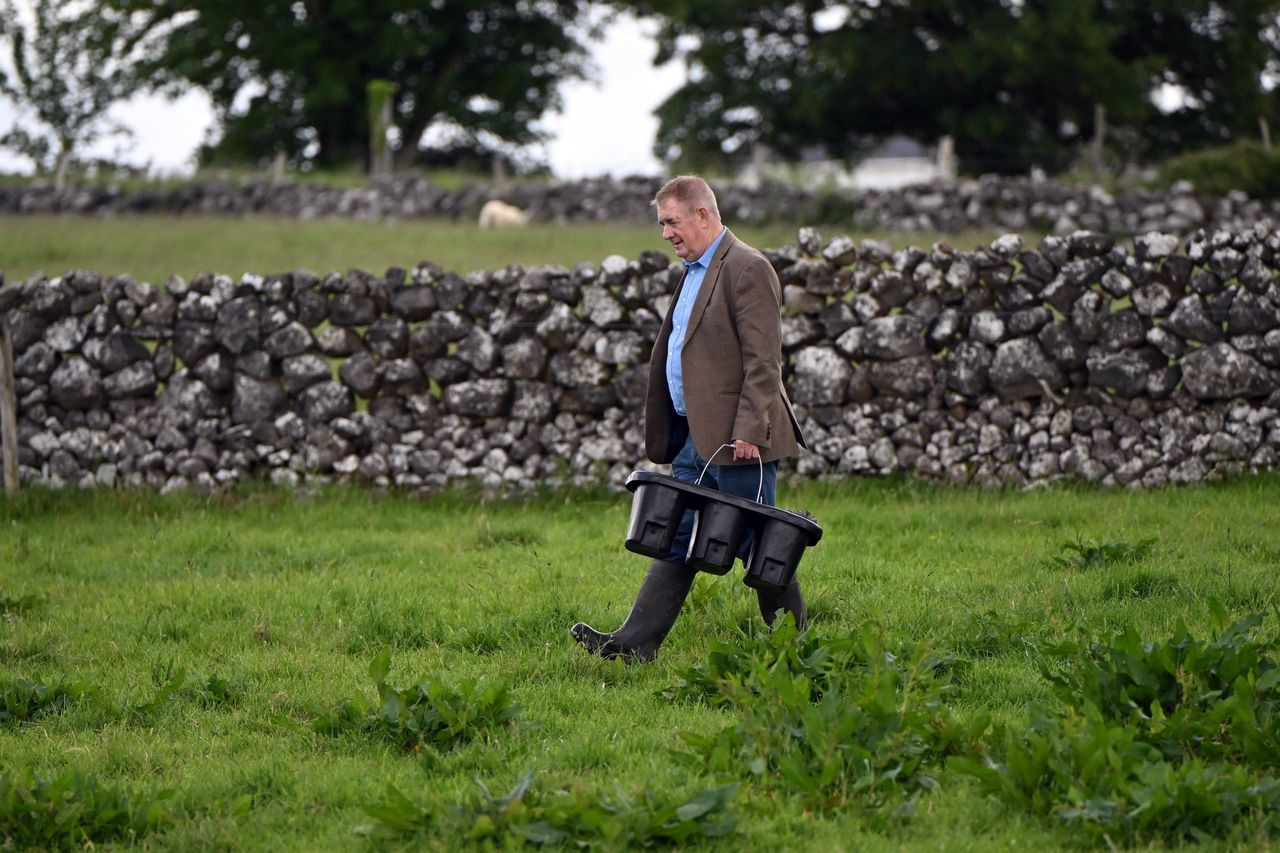
Large crowds of farmers and beef industry personnel were invited to visit a beef finishing research unit in Co. Kildare that caters for up to 700 cattle annually.
The Irish Cattle Breeding Federation's (ICBF's) beef and dairy research centre located in Tully, Co. Kildare hosted the open day, which saw groups of farmers from as far afield as west Co. Cork and Kerry to the top of Northern Ireland in attendance.
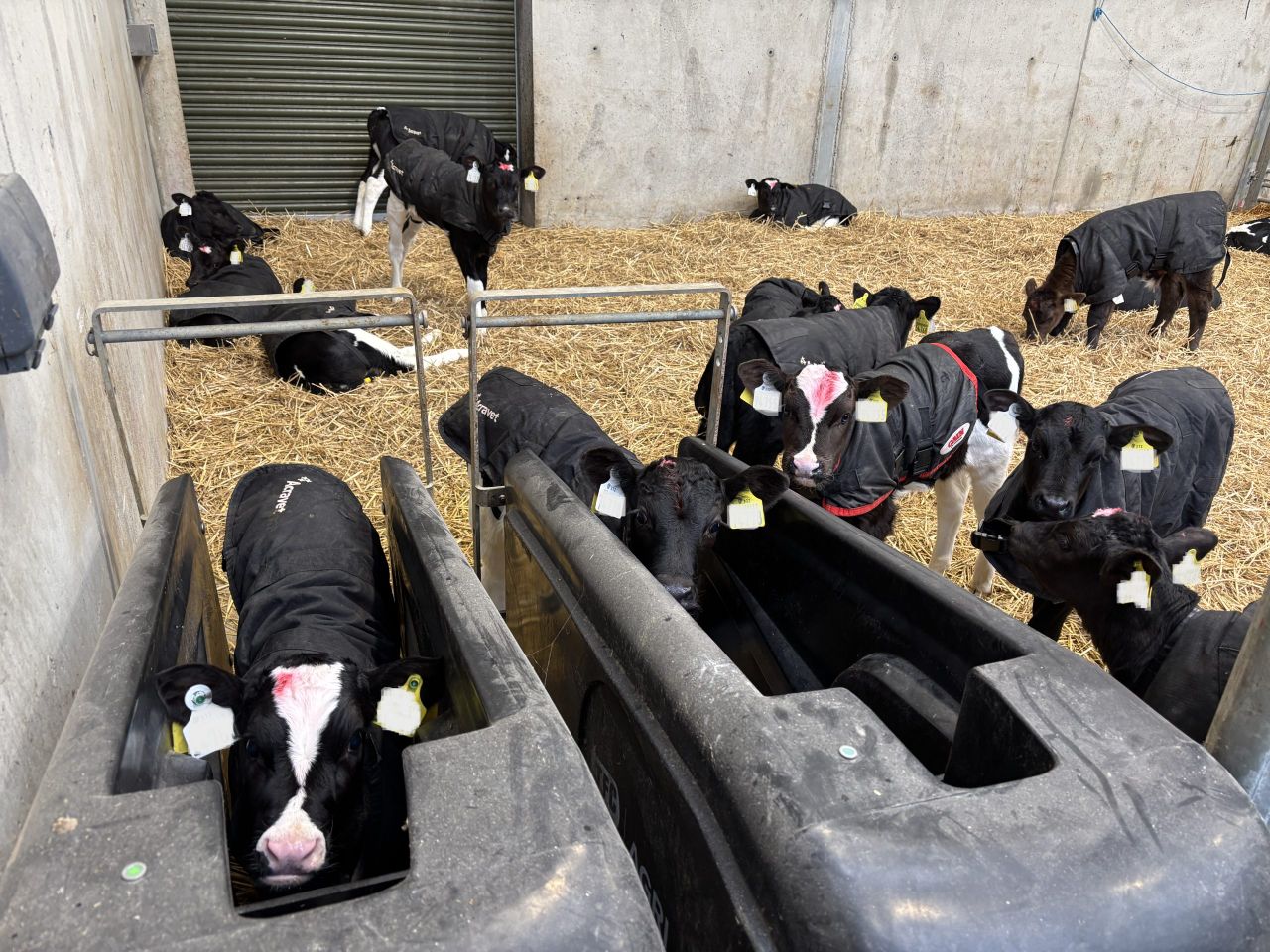
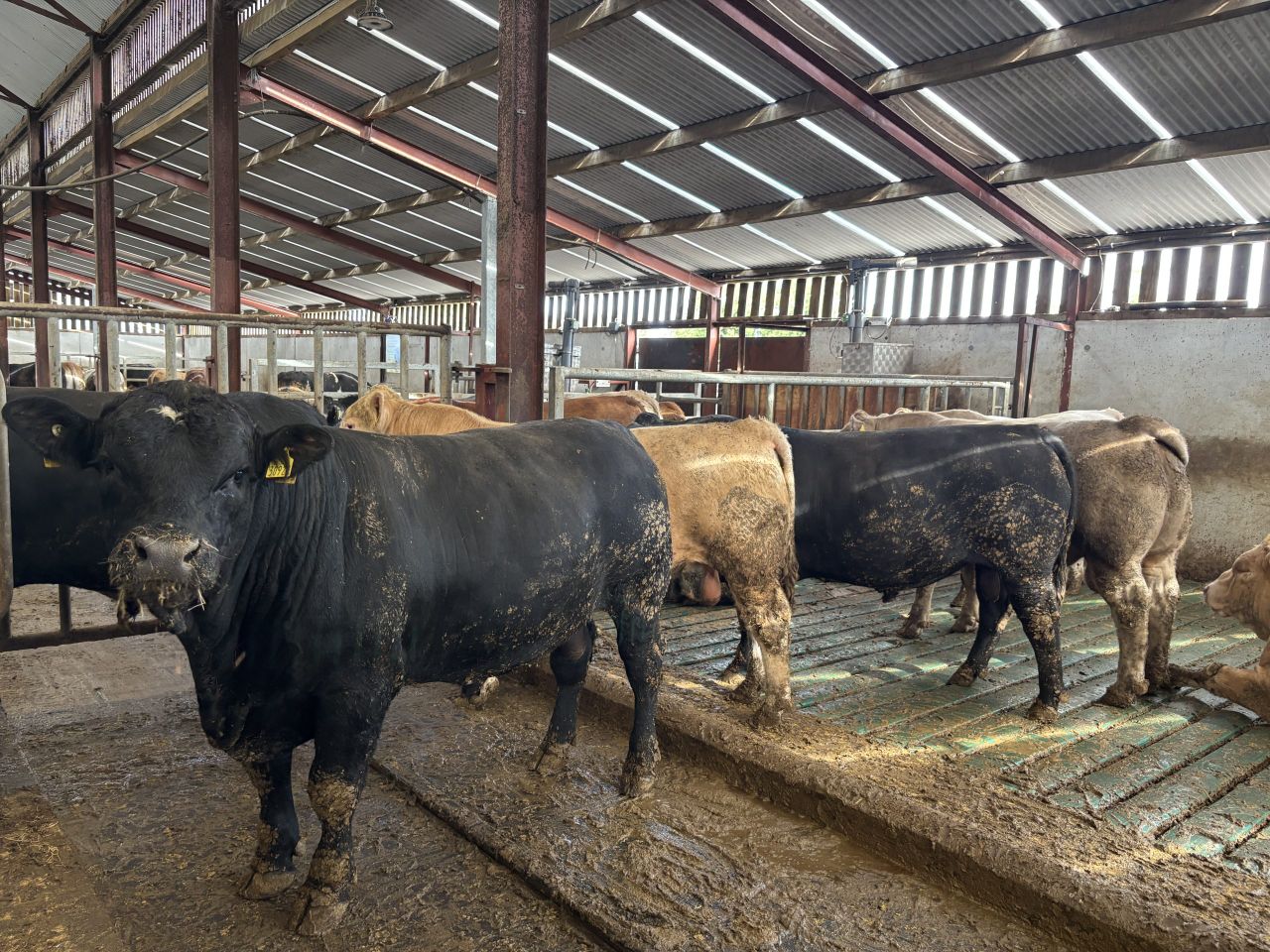
On the day, attendees were free to view the beef cattle currently being fattened on the farm and hear all the latest information on the trial work going on there.
The day started off with 26 awards being presented to what ICBF described as "Ireland’s top-performing beef producers".
Awards were presented to the winners of four different categories and winning suppliers to each of the country's six main beef processors received awards.
Two additional Gene Ireland awards were presented at the event also.
Research unit
After this, all in attendance were welcomed through the gates of the research facility to see the cattle and hear about the research underway there.
Speaking to Agriland at the event, ICBF researcher Ciaran McDonnell said: "What we do in Tully is we measure the traits that are difficult to measure on-farm."
He outlined that the following traits are measured at the site on an individual-animal basis:
- Feed intake;
- Water intake
- Methane;
- Meat-eating quality.
He explained that every animal that comes through the site is offered a diet of 10kg concentrates, 2kg of hay and 9L of water.
The diet has a dry matter of approximately 50% and the average dry matter intake of each animal on the farm ranges from 8-12kg/head/day, depending on the system.
The cattle currently on feed trials on the farm include suckler-bred bulls, dairy beef steers and heifers, dairy-dairy steers, and occasionally cull cows from the dairy and suckler herd.
There are generally 240 head of cattle kept at the research site at any one time and the aim is to finish 700 animals on an annual basis.
All animals on the farm are bred by bulls from the Gene Ireland Programme and the data collected helps to identify bulls with the potential to produce more-efficient progeny.
Bull-beef trial
Last year, for the first time ever, ICBF Tully conducted a bull beef trial on a zero-grazing system.
He said that in this trial, the effects on the rumen microbes of an animal on a grass-based diet was examined versus animals on a high concentrate diet.
At the open day, the role of the Commercial Beef Value (CBV) in beef finishing systems was also illustrated with livestock demonstrations.
Representatives from AgNav and Bord Bia were also present to take farmer questions on the day.