Processors may get to 'exploit EU markets' following Brazil ban

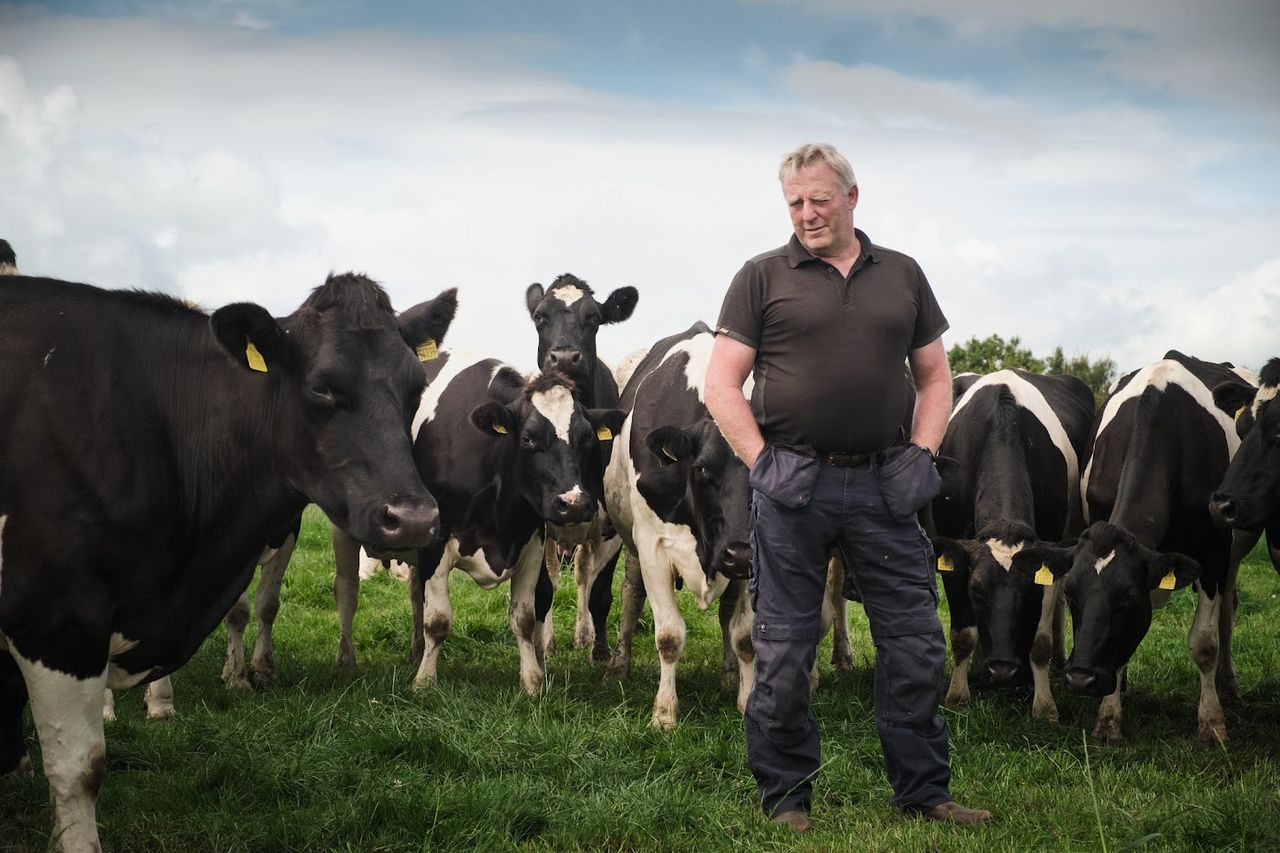
The chairperson of Irish Creamery Milk Suppliers Association (ICMSA) livestock committee has called for processors to outline proposals for winter and spring finishers against the background of what he called the “farmer margin massacre” that had been inflicted by the factories in the latter half of spring 2026.
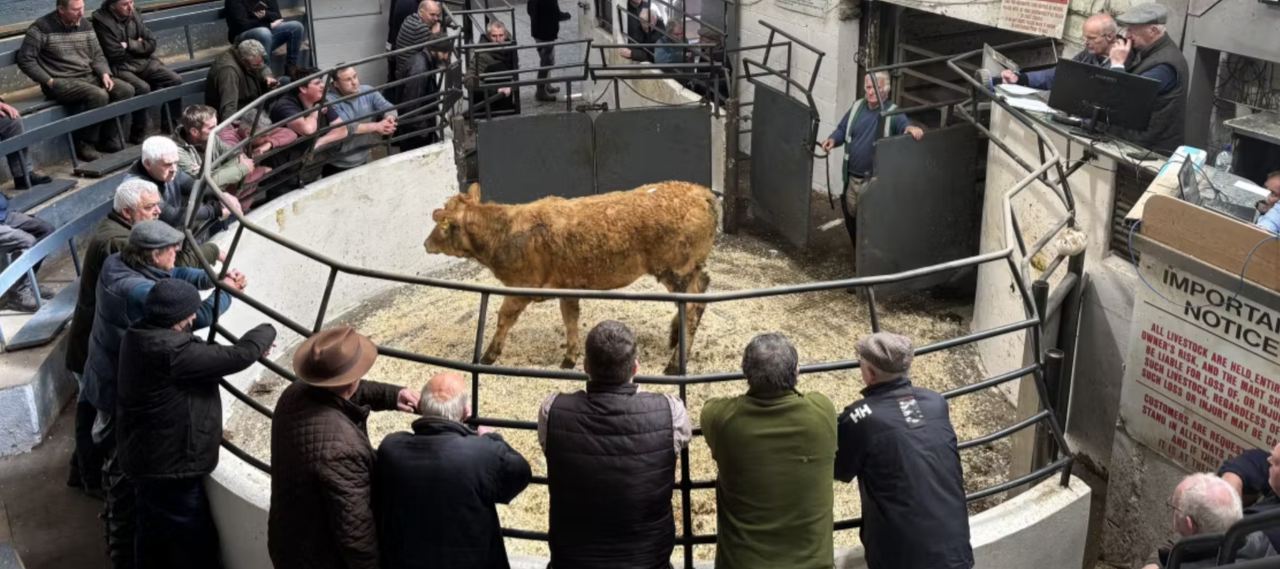
The livestock committee chairperson, Michael O’Connell, said that the very first thing to note was that it was the presence of factory agents ringside that was driving the trade for those forward cattle to feed and slaughter from January onwards.
Whatever happened, he said, we just could not have a repeat of the late spring 2026 scenario that saw beef price drops of on average 8c/Kg to 10c/Kg per week.
O’Connell pointed to a study ICMSA carried out into the difference in prices for the second quarter of 2025 versus 2026.
“A startling €109 million was lost by farmers on prime steers and heifers in this period in 2026 compared to the previous year based on an average of 97c/kg of a loss over this 13-week period.
“We must also note that farmers were waiting three to four weeks to get cattle slaughtered which would have further added to outstanding feed bills.
“We know that there were ‘quirks’ in both years but we endeavoured to look at the figures on the best ‘like-for-like’ basis we could, and we’re satisfied that our figures are correct and valid.”
‘Not sustainable'
O’Connell said: “The fall in beef prices was so severe that it went out the farm gate into the wider rural economy and had a ‘knock-on’ negative on contractors, merchants, vets etc.
“Processors can’t expect farmers to take a hammering like this again and if they do think that farmers will take another financial beating like that then they’re going to receive a rude shock.”
O’Connell said that this year has been extremely testing in terms of weather, market volatility and cashflow and farmers can’t be playing “Russian roulette” feeding cattle with no direction of travel on final price.
He added that feeding cattle has become increasingly specialised and one dent in efficiency or market value can be detrimental to the viability of the farm.
“We must see a direction of travel; we must see a pricing model indicative of what markets can return over the next six or eight months.
“Now that we see the ban on Brazilian imports ‘sink in’, we see processors increasing their kill plans and increasing their presence ringside and across the countryside.
“The beef is wanted – we know it and so do they - it’s now time to put your cards on the table and ensure that there some degree of protection and return to the farmers who have been supplying beef to your factories all their working lives.”
He added that this is not a request, it’s a warning, “because no family farm can withstand another spring like the last”.
Prices
The ICMSA chairperson predicted an increase in beef price as factories actively hunt for cattle.
“We have seen the price cuts reversed and increased reluctance from farmers to reduced quotes, there’s also a slight rise in average prices paid weekly.
“Taken together, it’s obvious that factories are anxious for the cattle."
He added that the pressure has come off farmers to move cattle.
"Grass growth has resumed and a lot of the traditional breeds of cattle have been moved on before 30 months.
“It’s inevitable that cattle prices are going up and we need that sooner rather than later.”
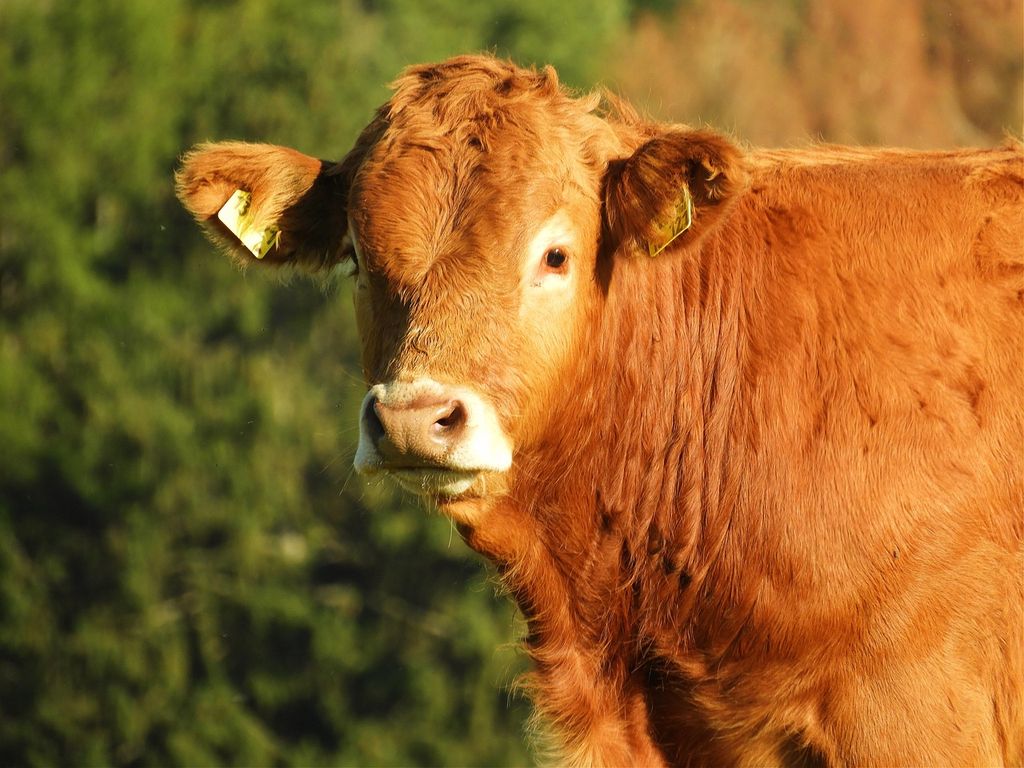
Noting that it was in their own interests to “sort out” supply and give farmers encouragement to buy cattle for finishing, O’Connell cited the opportunity provided by the Brazilian ban.
He said: “Irish processors have opportunities to exploit EU markets which the Brazilians had in their sights.
“Declining herds all over Europe puts us in a great position to look to the markets the Brazilians had hoped to fill.
“But that’s going to mean that farmers have the confidence to buy now for slaughter next spring and that, in turn, is going mean that the factories give some indication of the prices those farmers can expect and then hold to those commitments.”
He added that there’s chance for those involved in producing beef to make a margin “if the factories can curb their usual instinct take advantage of their suppliers and wipe them out when those farmers are most exposed”.