Keeping an eye on lice outbreaks in cattle housed for the winter

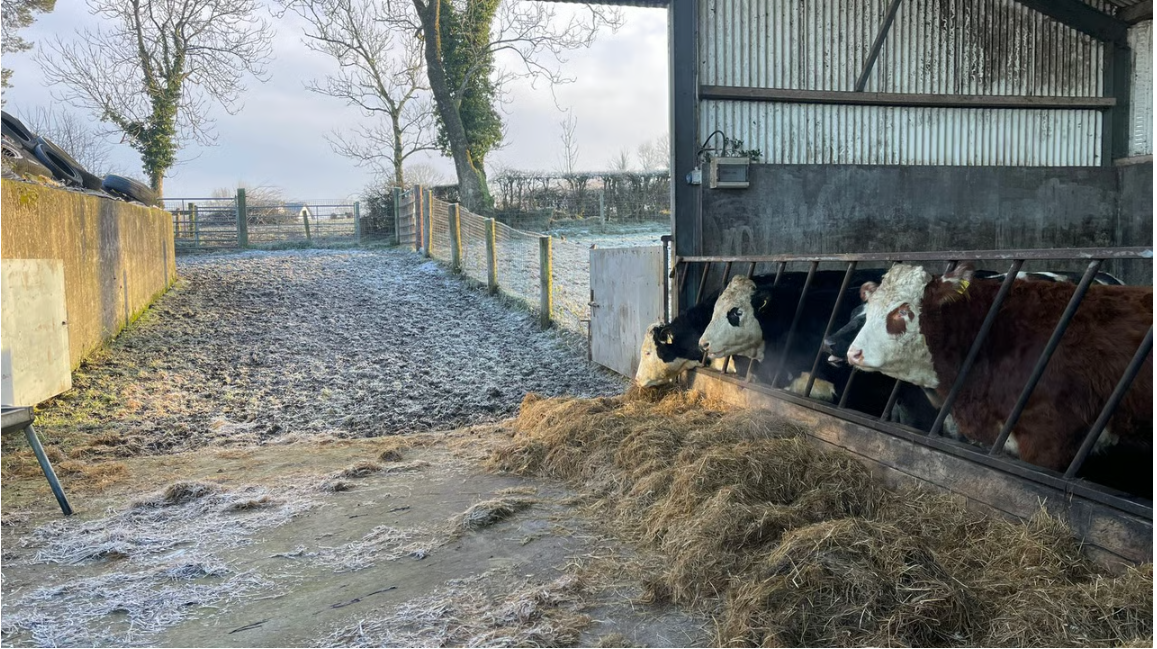
Despite cattle being treated for lice at housing, a secondary outbreak of lice can sometimes occur and is something that should be swiftly treated.
Cattle with lice present will exhibit clinical signs including intense itching as well as frequent rubbing and licking.
A lice outbreak will negatively impact cattle comfort and performance if left untreated.
Lice will spread quickly through housed cattle, as the close contact of the livestock allows populations of lice to spread with ease from one animal to another.
The following are some of the clinical signs of lice in cattle:
- Hair loss;
- Intense itching;
- Rubbing and licking;
- Inflamed skin;
- Anaemia from sucking lice, e.g. pale gums (young animals).
Where lice are present in a shed of cattle, there are a range of treatment options available.
However, itt is important to note that there are two types of lice that impact cattle. Some treatments will only control one type of lice but not the other, while other products will control both types of lice but not the lice eggs.
The two types of lice are:
- Biting lice;
- Suckling lice.
Biting lice are usually found on the head, neck, shoulders, back and rump of cattle but may spread down the sides causing extreme itching.
Sucking lice have piercing mouthparts and feed on the blood and fluid of cattle.
Treatment
Where farmers are concerned about lice on their cattle, it is advisable to contact their local vet to determine the best course of action for treatment.
A range of synthetic pyrethroids in spot-on or pour-on formulations are available to treat lice and these include deltamethrin and cypermethrin which will treat both biting lice and sucking lice.
Injectable macrocyclic lactones (MLs) are available also in products such as ivermectin, eprinomectin, moxidectin, and doramectin.
However, injectable treatments generally treat primarily sucking lice, but will also aid in the control of biting lice. Pour-on MLs will treat both sucking and biting lice.