Harvest 2026: 'It’s all about the weather from this point onwards'

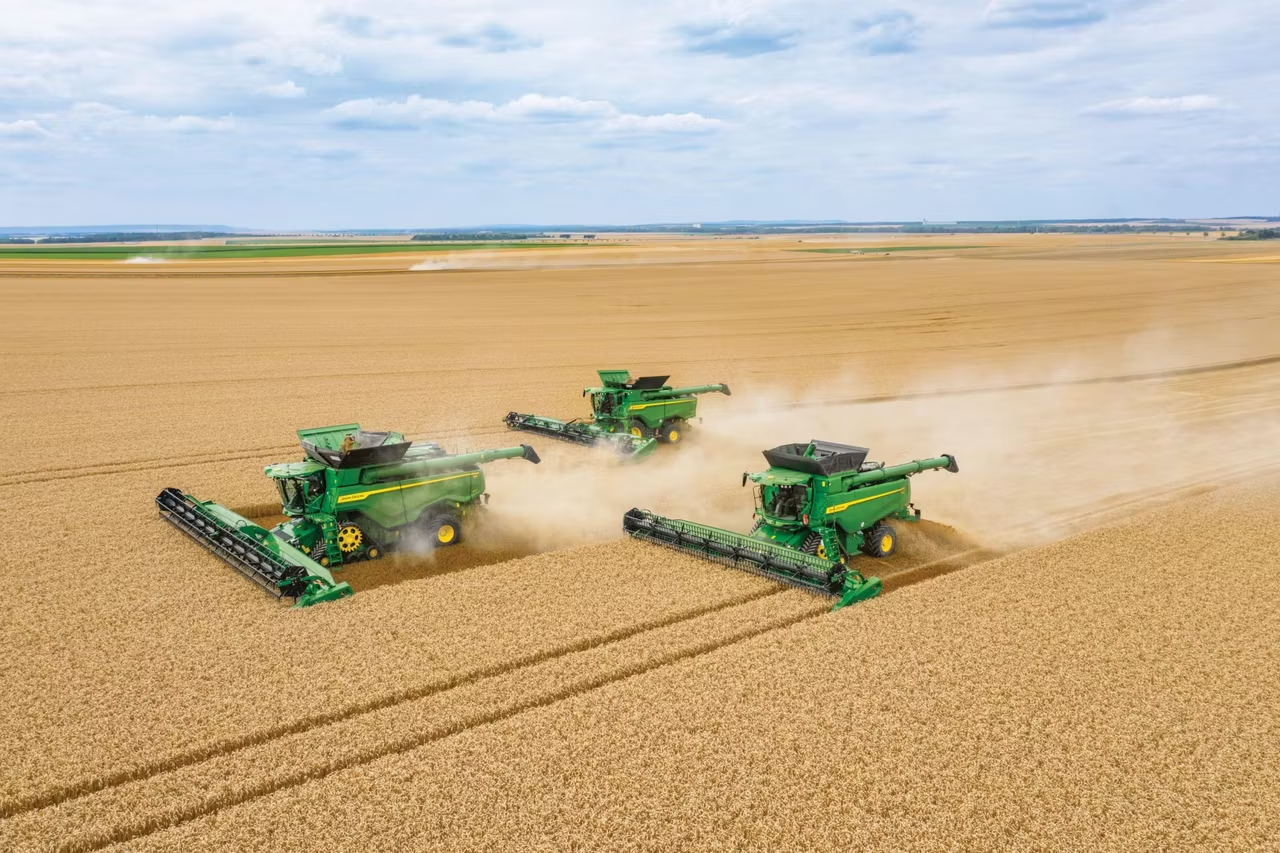
With high pressure building across Ireland over the coming days, the flag is about to be dropped on harvest 2026.
A very small number of barley crops have already been harvested in Co. Cork.
But according to Teagasc tillage specialist, Shay Phelan, combine harvesters will start to roll in earnest next week, with winter barley crops first in line for cutting.
He further explained: “It’s all about the weather from this point onwards.
"The recent hot spell has certainly brought harvest dates forwards in many areas by a considerable amount."
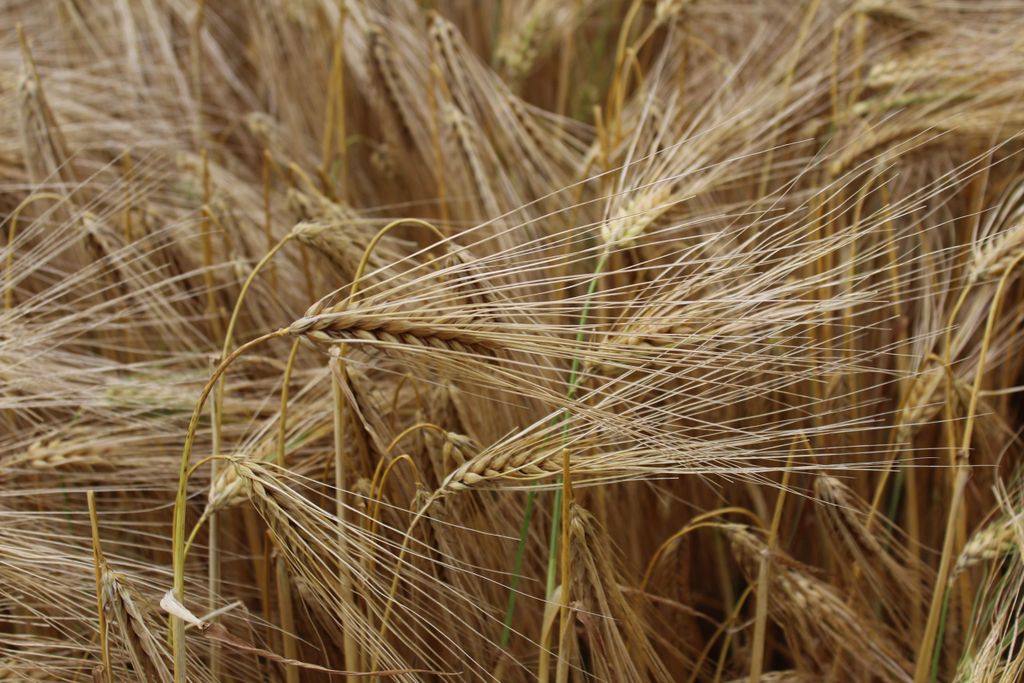
Winter barley crops are likely to be "a bit of a mixed bag", Phelan said
“Those that were planted early and got nitrogen at the right time are looking well. But it could be a week or two yet before they are harvested," he explained.
"Up first for combining will be crops that were impacted by Barley Yellow Dwarf Virus (BYDV) last autumn and those that did not receive fertiliser at the correct time because of the very changeable weather back in the spring.”
Where winter wheat is concerned, the Teagasc representative would be much more upbeat concerning potential yields and grain quality.
He said: “The one concern I would have is those crops that were impacted by fusarium at their flowering stage.
"If this was a case, the threat of mycotoxin ingress cannot be ruled out, which would impact on ear fill and quality quite significantly.”
BYDV
By common consent, Harvest 2026 will not see any yield records set in Ireland.
BYDV continues to impact on all grain crops and the re-emergence of yellow rust as a very real disease threat in 2026 has added to the list of crop management challenges facing tillage farmers.
However, Harvest 2026 will have one major consequence. It should deliver real data on how BYDV resistant varieties of winter barley perform under commercial farming conditions.
The seed trade in Ireland and the UK are pinning their hopes on the role of tolerance and, eventually, true resistance, to BYDV being the ‘real deal’ when it comes to dealing with one of the most significant threats to cereal production in this part of the world.
Significantly, tolerant varieties of winter wheat are now becoming available, courtesy of bespoke plant breeding programmes.
And, if everything goes according to plan, they should be commercially available within the next couple of years.