'Major boost' for Irish curlew population through new collaboration with UK

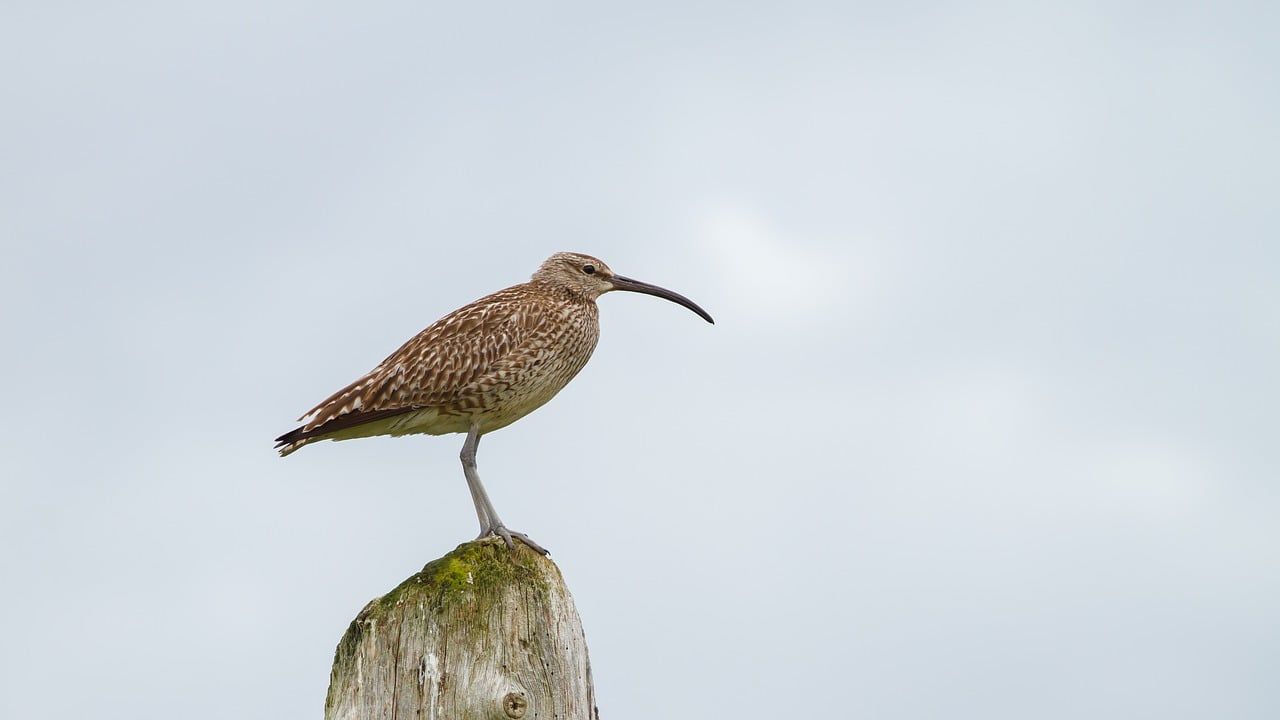
A new collaboration involving conservation groups in Ireland and the UK is expected to provide a "major boost" to the curlew population in Ireland.
A new licensing arrangement between Ireland and the UK will allow for the importation of curlew eggs to supplement the curlew population in Ireland.
Minister of State for Nature, Heritage and Biodiversity, Christopher O’Sullivan and Minister for Agriculture, Food and the Marine, Martin Heydon made the announcement today (Friday, July 3).
Under this arrangement, eggs collected from the stable curlew population on the Yorkshire Dales are transported to Ireland under the care and supervision of conservationists in the UK and Ireland.
They are cared for at incubation facilities in Ireland until the chicks are ready for release.
Twenty chicks were released today marking this new conservation effort to bring this iconic bird back from the brink of decline in Ireland.
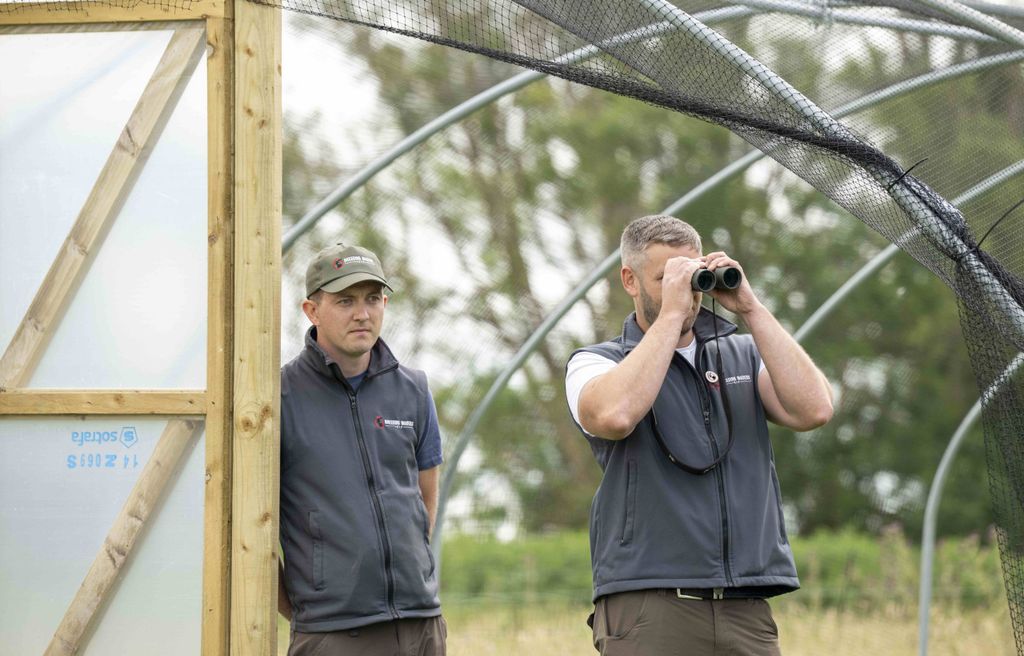
This unique conservation initiative is the result of a collaboration between the Breeding Waders European Innovation Partnership (EIP) and the Yorkshire Dales Moorland Group.
It is supported by the National Parks and Wildlife Service (NPWS) of the Department of Housing, Local Government and Heritage, and the Department of Agriculture, Food and Marine.
Vulnerable species
Minister Christopher O’Sullivan said: "Huge efforts have been made by conservation groups, communities and landowners to protect the distinctive curlew with its unmistakable, bubbling call.
"Now we’re accelerating our actions and giving this vulnerable species the shot in the arm that it needs to survive and thrive in our landscapes."
Minister O'Sullivan said this "landmark licensing arrangement" is in place with UK authorities for the next five years.
"That means we will add 200 birds to the existing curlew population by 2030," he said.
"The scale of this intervention is unprecedented and will bolster existing conservation efforts.
"It will boost breeding numbers, support recovery of the species and strengthen the long-term viability of curlew in Ireland."
The minister added that he has "committed to work with communities and landowners" to develop targeted actions to protect and restore the habitats needed by these birds, as part of the national Nature Restoration Plan.
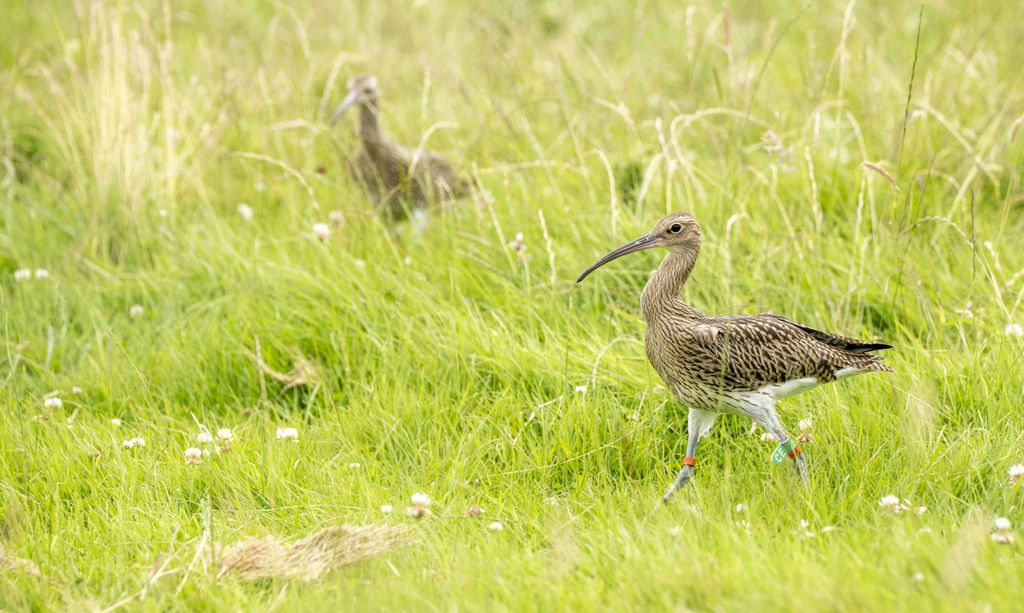
Minister Martin Heydon said this joint initiative with the Yorkshire Dales Moorland Group is the "perfect example of how EIPs bring like-minded people together to overcome challenges and achieve outcomes that would not have happened otherwise".
"I look forward to hearing how the chicks get on in their new home and wish the team every success with this exciting new venture," he said.
Curlew population
The curlew population in Ireland is estimated to have declined by 98% since the 1980s.
Curlew conservation efforts to date by the NPWS, the Breeding Waders EIP and other projects have focused on protecting the existing breeding population through measures such as nest protection, headstarting and predator control.
While data suggests small increases in recent years, the number of breeding curlew pairs in Ireland is estimated to be between 100 to 150.
Significant work has been conducted across both jurisdictions over the past year to facilitate importation of the eggs.
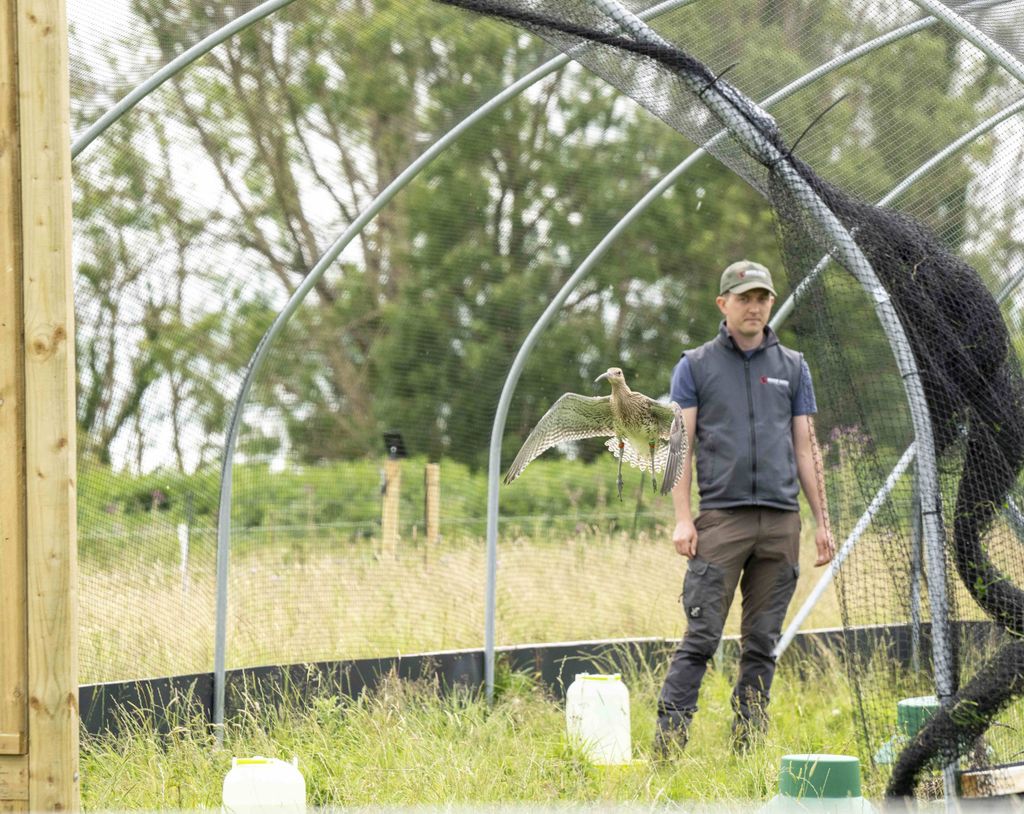
In May this year, 40 curlew eggs from the Yorkshire Dales were carefully transported from the UK by the Breeding Waders EIP team for early-stage rearing at the Centre for Species Survival in Dublin Zoo.
Once the chicks reached 15 to 20 days old they were cared for at specially designed release aviaries by the Breeding Waders EIP team in order to acclimatise to natural conditions before their release.
Headstarting
Breeding Waders EIP senior project manager, Owen Murphy said: "Initiatives such as headstarting, and this further step of egg importation, are not taken lightly.
"Detailed assessments of a species population to determine changes in abundance, density and distribution over time are combined with modelling of the impact of the proposed conservation actions on the species in question.
"This data informs our decisions and in this case showed the clear benefit of accessing additional eggs to supplement our headstarting programme."
Over the coming weeks the Breeding Waders EIP will continue to release curlew chicks at different locations around the country.
A number of birds released are fitted with GPS tags so that their movements can be followed and tracked, adding to a growing body of knowledge about the species.