Sponsored
How is Bord Bia supporting crop growers? Q&A with Emma Flynn

Sponsored by

Bord Bia is developing a Combinable Crop Assurance Scheme, which will operate as a three-year pilot programme.
The scheme, which will form part of Bord Bia’s range of Quality Assurance (QA) programmes, will support the "independent certification for combinable crop producers supplying the Irish food, feed, and processing sectors".
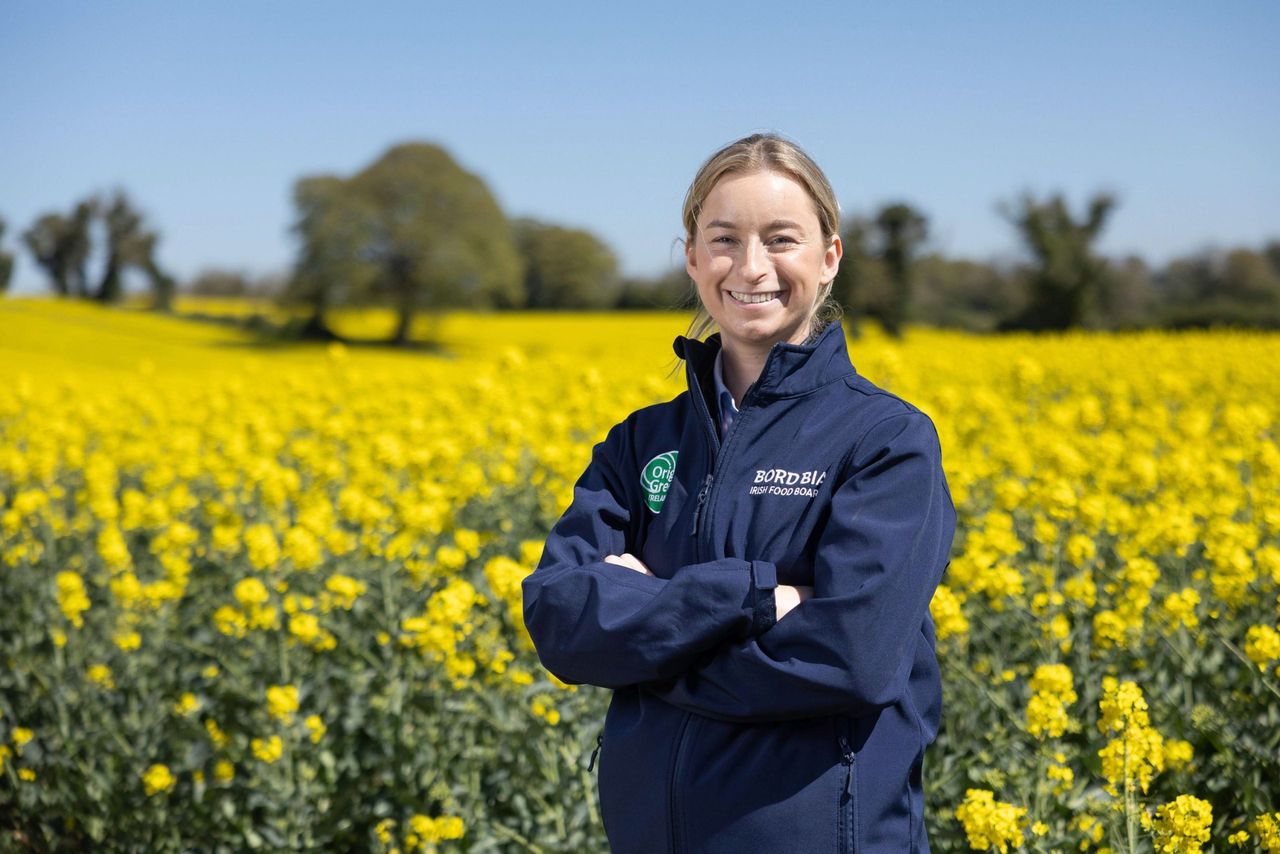
To find out more about the scheme, and Bord Bia's work in the area of horticulture, we spoke to Emma Flynn, horticulture standards coordinator with Bord Bia.
Can you tell us a little about yourself and your career to date?
I grew up on a tillage farm in Co. Westmeath and my family also runs a farm machinery business in Kilucan.
Throughout school and college, I worked weekends and summers on pig, dairy and beef farms, including at Gigginstown Angus.
Those experiences gave me a real understanding of the industry and the dedication involved in producing food.
I studied Agricultural Science at South East Technological University (SETU), before completing a Master's in Food Business Strategy.
After college I worked with Teagasc, first as a derogation support adviser and then as a research technician, before moving to Australia for a year to work as a scientific officer in an equine laboratory.
I joined Bord Bia two years ago as horticulture standards coordinator.
It is a role I really enjoy because it combines my interest in agriculture with the opportunity to work directly with growers, supporting the continued success and reputation of Ireland's horticulture sector.
Has your own farming experience informed your work in Bord Bia?
Alongside my role in Bord Bia I continue to manage our tillage enterprise at home with my dad, looking after both my own farm and the family farm.
Having that practical farming background also helps me build strong relationships with growers because I understand the challenges they face and recognise that standards need to work for farmers as well as meeting customer expectations.
What does the day-to-day job involve?
A big part of my work is being the main point of contact for our horticulture scheme members and auditors, supporting them with technical queries, resolving issues, and ensuring clear communication between producers, auditors and the wider Bord Bia team.
I coordinate the delivery of Bord Bia's Sustainable Horticulture Assurance Scheme, and I act as scheme manager and in-house trainer for GLOBALG.A.P. IFA v6.
A major focus for me at the moment is the development of the new Combinable Crop Assurance Scheme standard and preparing for its pilot phase.
This involves developing the standard, coordinating Technical Advisory Committee meetings, and working closely with farmers, industry stakeholders and colleagues to ensure the scheme is practical, robust and aligned with customer requirements.
Tell us more about this new tillage scheme?
The Combinable Crop Assurance Scheme came directly from the recommendations of the Food Vision Tillage Group, which identified the need for a sustainable quality assurance scheme for the tillage sector aligned with Origin Green.
It is a three-year pilot designed to develop a robust assurance framework for Irish tillage farmers.
It builds on the foundations of the Irish Grain Assurance Scheme (IGAS), while looking to develop a framework that reflects the evolving needs of the sector and the wider marketplace.
A Technical Advisory Committee was established at the beginning of 2026, chaired by Andy Doyle of Tillage Industry Ireland, bringing together expertise from across the sector.
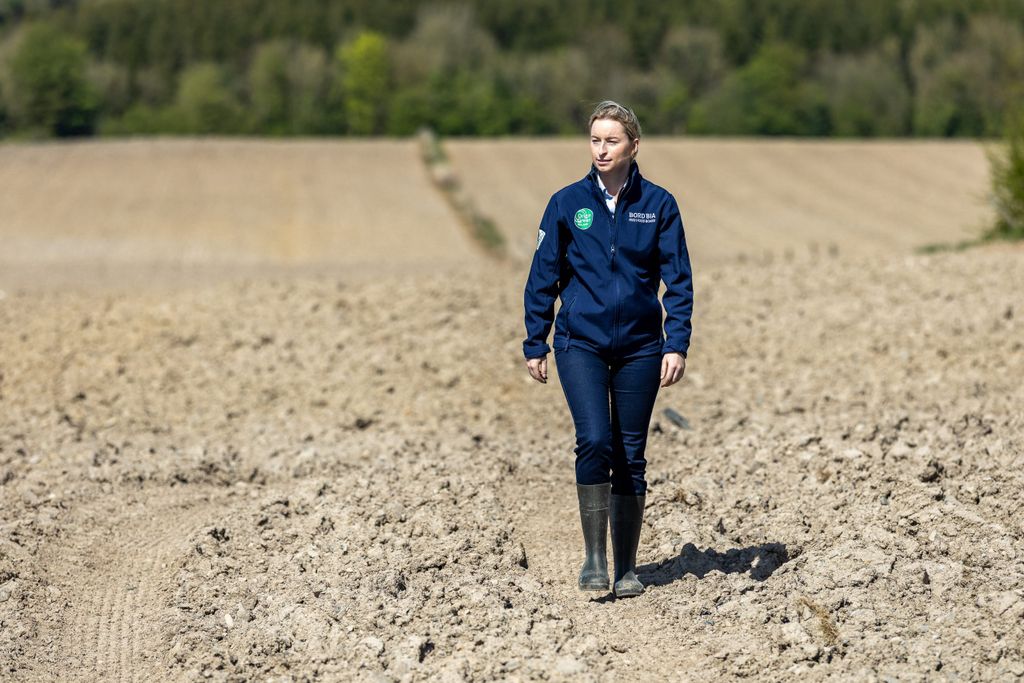
The draft standard has gone through several rounds of consultation and feedback with industry stakeholders to ensure it is practical, relevant and delivers value for both farmers and customers.
The standard criteria need to be practical, measurable and independently verifiable, while reflecting the reality of Irish tillage farming. Irish farmers already produce high-quality grain, and the purpose of the scheme is to provide the evidence and verification needed to demonstrate those achievements.
Bord Bia brings the credibility and assurance infrastructure needed to ensure the standard is robust, internationally recognised and trusted by customers.
At a time when the tillage sector faces significant pressures, the scheme must deliver clear value rather than additional administration.
Its purpose is to differentiate Irish grain by providing credible evidence of its quality and sustainability, helping buyers recognise and reward the standards growers already meet.
The pilot phase will allow feedback from farmers, auditors and industry to refine the standard before wider rollout, ensuring it is practical for growers while delivering meaningful value for the market.
What value does Bord Bia add to Irish horticulture?
Bord Bia supports growers through our Sustainable Horticulture Assurance Scheme, which has around 250 members.
The scheme demonstrate the high standards they achieve while strengthening the reputation of Irish horticulture at home and abroad.
Our role goes beyond assurance: we build demand through initiatives like Bord Bia Bloom, Quality Mark campaigns and schools programmes, while also providing market insights, export supports and business development.
In short, we support growers from proving their standards on farm to growing the markets for their produce.
We're also investing in the sector's future through initiatives such as the Future Horticulture Leaders programme, designed to support the next generation of growers, and our Growers Network, where members share knowledge and tackle common challenges together.
Sponsored by