Sustainable land use 'requires considerable change' - report warns

Ireland is moving too slowly to adapt its land use, leaving farmers, communities and the environment exposed to climate shocks and volatile markets, a new report warns.
The government today (Thursday, July 2) published the long-awaited final phase two of the land use review after it had been previously delivered to the Minister for Climate, Energy and the Environment, Darragh O’Brien, the Minister for Agriculture, Food and the Marine, Martin Heydon and the Minister of State at Housing, Local Government and Heritage, Christopher O’Sullivan.
The first phase was completed in 2022 and the second phase - A Living Land - sets out current patterns and the various demands on land particularly in relation to climate and environmental commitments.
According to the Department of Climate, Energy and the Environment, the publication of the A Living Land report is "not an articulation of government policy or a new strategy in relation to land use, nor has it been adopted by government".
However the report also contains academic models on how Ireland "could potentially reach climate neutrality by 2050".
It sets out how land is used will be "influenced" by the impacts of climate change, and will also play a role in the adaptation to future climate impacts.
The report details examples of "creative and inspiring community and farm-level projects" and highlights how these are addressing and delivering on environmental and socioeconomic objectives - including the investment in locally led agri-environmental schemes.
A Living Land
According to A Living Land, around 80% of Irish land is in private ownership, and it states that decisions regarding potential uses is "a matter for custodians of the land".
"Land use underpins our world class agri-food industry worth €21 billion to the Irish economy as well as many non-economic benefits, including cultural identity, biodiversity and heritage.
"Farmers have and continue to contribute to Ireland's food security, economic success and climate and environmental objectives.
"Government will support the continuance of this good work," the report details.
Commenting on the publication of the report, the Minister Heydon said: “Land is one of our greatest yet finite resources.
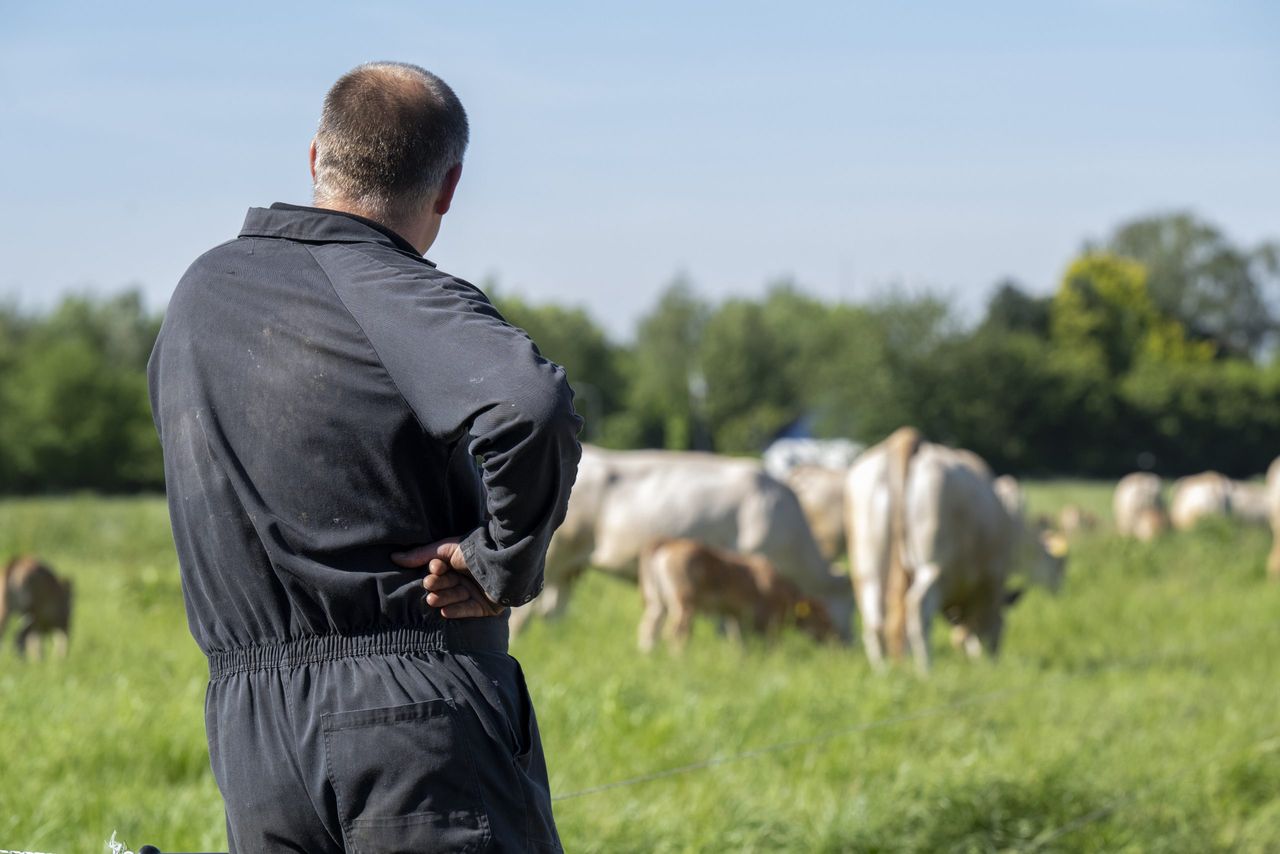
"Farmers, as stewards of the land, set out daily to deliver for us all in terms of food production and wider ecosystem services; they know best the importance of multi-functional land use.
"This is evidenced through Agri-Climate Rural Environment Scheme (ACRES) Cooperation and other best in class examples documented in the report.”
One of the key recommendations in the report is that Ireland should develop a national land use governance framework.
This framework would examine how the State can encourage optimal use of land "to meet a variety of societal needs, including sustainable food production, whilst delivering including socio-economic benefits, restoring nature, improving water quality, enhancing climate adaptation and mitigation".
However the report also warns that sustainable land "use requires considerable change".
The report outlined that it is widely agreed that the future of Ireland’s major agri-food sector "depends on it achieving and demonstrating sustainability".
"There are reasons to believe that agriculture, land use, the wider economy and Ireland’s climate will look different in future decades.
"The pace of land use change is currently limited and could be outpaced by increasingly volatile markets and climate risking an entrenchment of poor socio-economic, environmental, and economic outcomes".