130-cow Donegal dairy farmer wins beef factory quality award

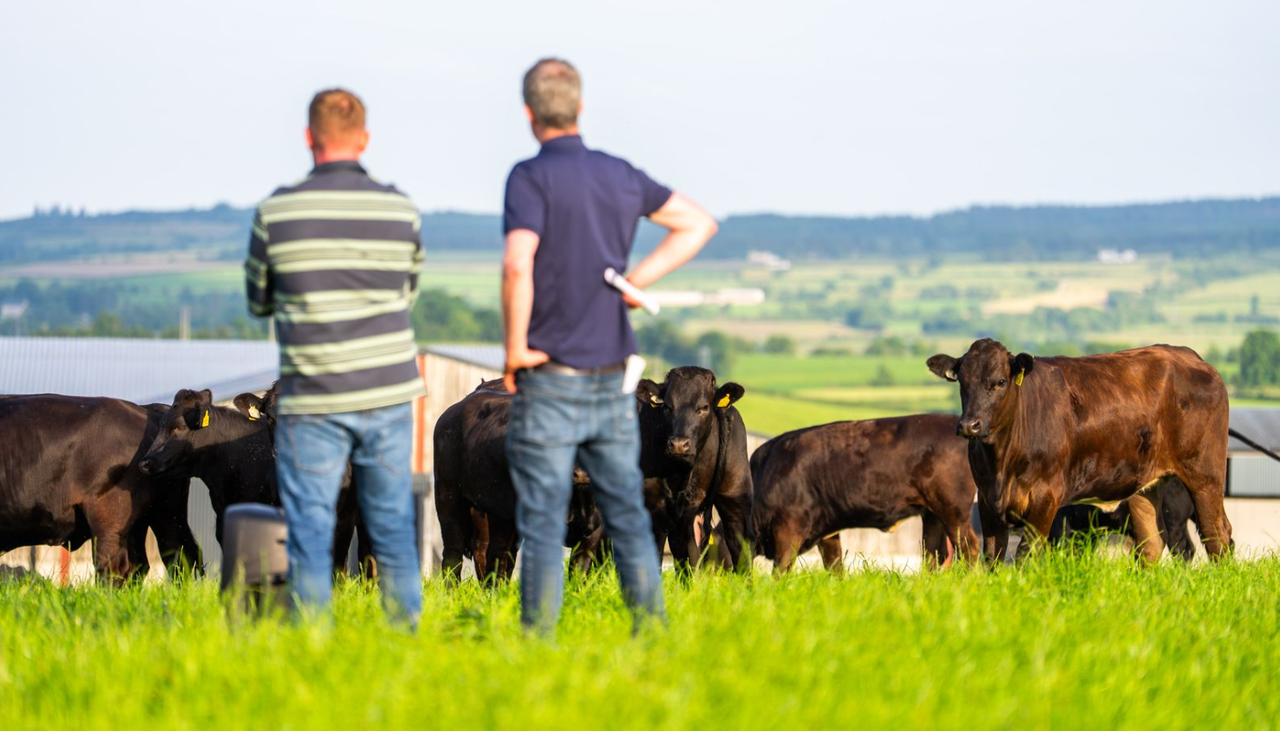
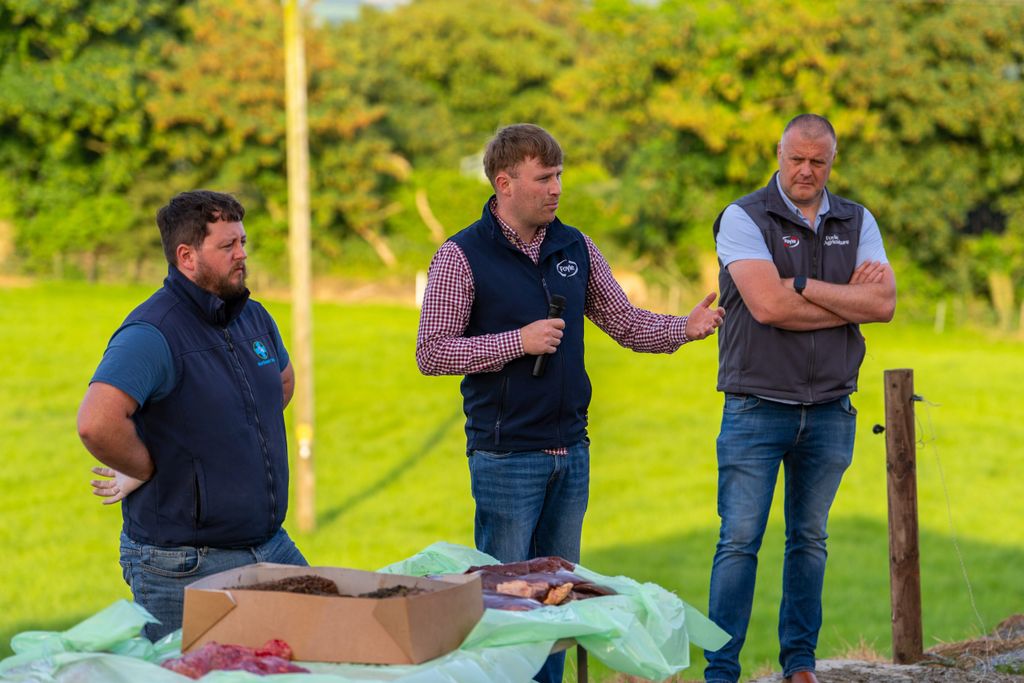
Over 70 farmers attended an event on the award-winning dairy and beef farm of Ryan McElhinney near Letterkenny, Co. Donegal on Wednesday (June 24).
The event was jointly organised by Foyle Food Group, Teagasc and the Irish Cattle Breeding Federation (ICBF) to mark the farm's success as a winner of a dairy farmer finisher award for Foyle Food Group.
The core focus of the farm walk was to showcase how McElhinney is using breeding, genetics, and the Commercial Beef Value (CBV) to improve performance and profitability across his dairy and beef enterprise.
The farm entered dairy farming five years ago and has grown to a 130-cow spring-calving herd. It also ranks in the top 5% for EBI nationally.
The table below gives an overview of the Economic Breeding Index (EBI) of Ryan McElhinney’s dairy herd:
| Scorecard (May 2026) | This Herd | National Average | Top 10% | Herd % Rank | Star Rating |
|---|---|---|---|---|---|
| Herd EBI | €171 | €114 | €165 | 95% | ⭐⭐⭐⭐⭐ |
| Milk | €44 | €23 | €39 | 96% | ⭐⭐⭐⭐⭐ |
| Fertility | €73 | €41 | €73 | 91% | ⭐⭐⭐⭐⭐ |
| Carbon | €9 | €8 | €16 | 51% | ⭐⭐⭐☆☆ |
| Calving | €24 | €17 | €25 | 87% | ⭐⭐⭐⭐⭐ |
| Beef | €-1 | €-1 | €10 | 49% | ⭐⭐⭐☆☆ |
| Maintenance | €13 | €19 | €35 | 21% | ⭐⭐☆☆☆ |
| Management | €-1 | €-1 | €1 | 49% | ⭐⭐⭐☆☆ |
| Health | €9 | €10 | €13 | 34% | ⭐⭐☆☆☆ |
Speaking at the event, McElhinney explained how he combines ICBF genetic evaluations, milk recording data, and IHFA classification information to identify both the strengths and weaknesses within his herd.
He says that this information allows him to make more informed sire selections and target specific traits for improvement.
The objective is to develop a balanced herd that performs strongly for milk production and fertility, while also improving the beef merit of surplus calves and cull animals.
It was highlighted by the ICBF at the farm walk that this strong EBI performance is built on "a balanced profile, with excellent rankings for both the Milk and Fertility sub-indexes".
The herd’s Beef Sub-Index is also close to the national average, demonstrating that dairy performance can be maintained while continuing to improve beef traits.
The breeding programme on the farm has already produced bulls that have been purchased by artificial insemination (AI) stations, underlining the quality of the genetics being developed within the herd.
CBV on the dairy farm
As a beef-focused event, much of the discussion at the farm walk centred on the opportunities that the CBV presents for both dairy farmers and beef finishers.
Speakers at the farm walk highlighted that improving CBV begins with breeding decisions at cow level.
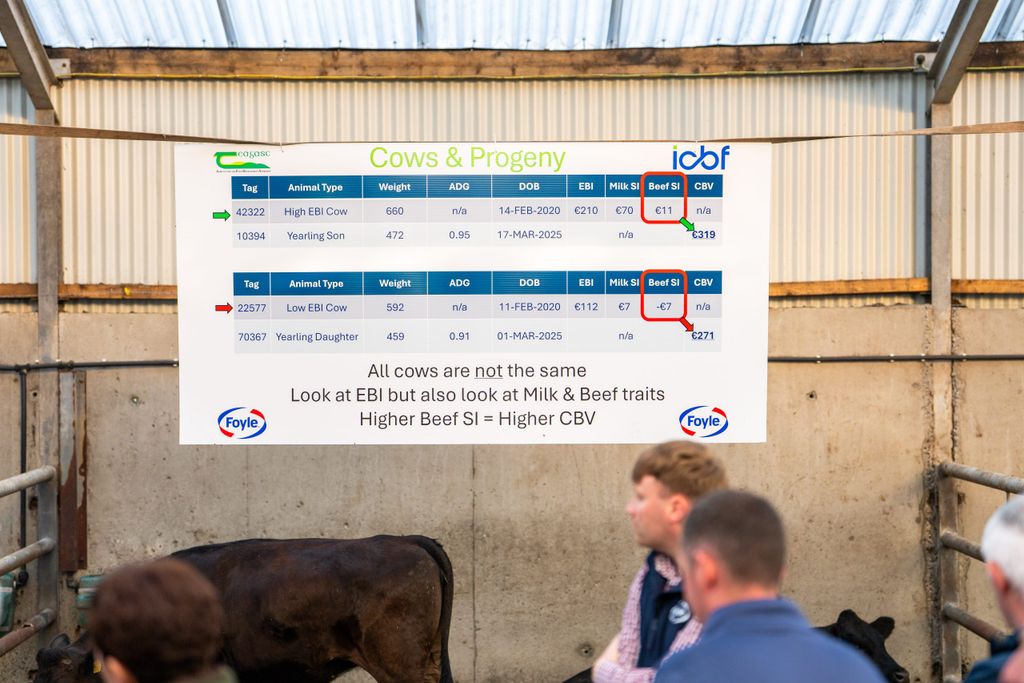
Farmers were encouraged to pay close attention to the Beef Sub-Index within the EBI when selecting dairy sires.
Examples from McElhinney's breeding programme demonstrated how bulls with similar EBIs can have significantly different levels of beef merit.
For dairy farmers aiming to improve the value of their calf crop, selecting dairy sires with strong beef traits is critical.
It was emphasised that continuously breeding replacement heifers from sires with poor beef characteristics can result in a gradual decline in the herd’s beef potential, which can be difficult to reverse over time.
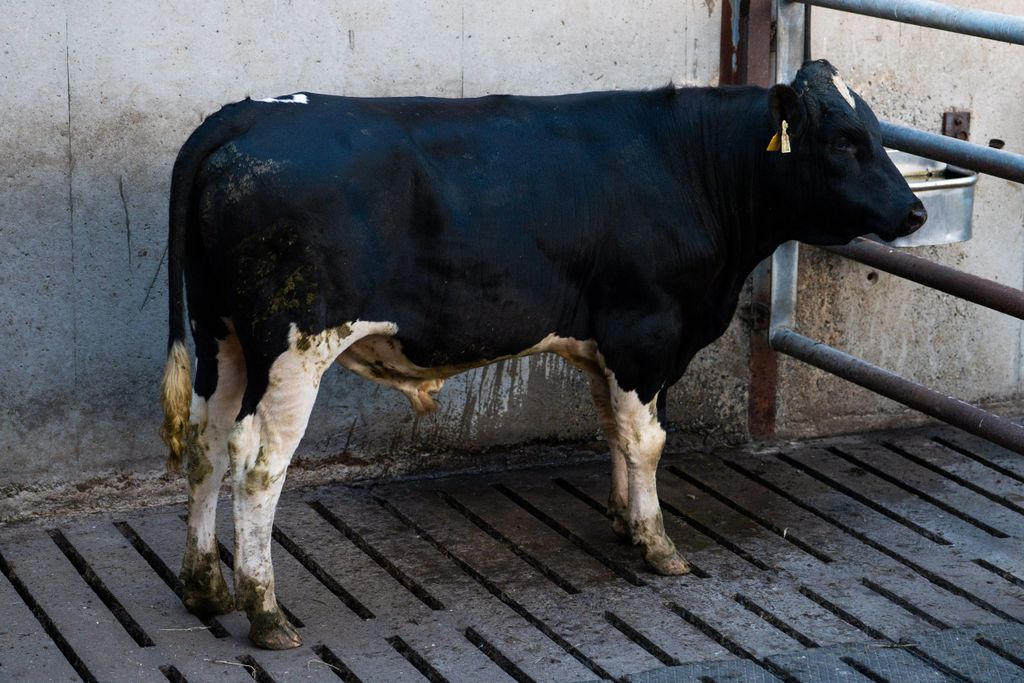
With strong demand in the beef sector and improved beef prices in recent years, dairy-beef calves have become an increasingly important contributor to overall farm profitability.
Ensuring that replacement females and beef calves inherit stronger beef genetics can deliver benefits across the entire production system.
Slaughter performance
The final part of the farm walk focused on the performance differences farmers can expect between high and low CBV cattle.
Several animals were presented as examples to demonstrate the impact of genetics on growth and carcass performance.
Across different animal types, high CBV cattle consistently achieved growth rates approximately 0.2kg/day higher than their lower CBV counterparts.
Over a typical two-year finishing period, this difference could equate to an additional 146kg of liveweight for high CBV animals.
The table below outlines slaughter performance data from a group of dairy bulls finished on the farm in 2025:
| Group | CBV | Age at Finish (Months) | Carcass Weight (kg) | Grade | Price (€/kg) | Factory Price (€) | Lifetime (€/day) |
|---|---|---|---|---|---|---|---|
| Top Third | €60 | 16.3 | 285 | O- | €7.44 | €2,123 | €4.28 |
| Average | €11 | 16.7 | 274 | P+ | €7.38 | €2,020 | €4.00 |
| Bottom Third | €-37 | 17.5 | 273 | P+ | €7.23 | €1,969 | €3.75 |
| Difference (Top – Bottom Third) | €97 | -1.1 | 12 | 1 grade | €0.21 | €154 | €0.53 |
The results in the table above indicate the financial advantages associated with higher CBV cattle.
The high CBV bulls were:
- One month younger at slaughter;
- 12kg heavier in carcass weight;
- Worth an additional €154/head in sale value.
Research from the ICBF Tully Progeny Test Centre has also found that high CBV animals consume approximately 1kg of dry matter (DM) less feed/day compared to low CBV cattle.
This improved feed efficiency represents a significant cost-saving that is often overlooked when assessing animal performance.
The farm walk demonstrated how good genetics combined with excellent management can deliver outstanding results on commercial farms.
For the farmers in attendance, the key takeaway message was the importance of having a clear strategy from breeding through to finishing.
By using tools such as CBV and making informed breeding decisions, farmers can improve animal performance, increase profitability, and create a dairy-beef production system that is more sustainable overall.