'Grass crisis' needs to be met with 'robust measures'

The "crisis situation" facing farmers in the southeast of the country requires "robust measures" from the government.
That is according to TD Paul Lawless, who warned that many farmers in the region are seeing hindered grass growth as a result of the weather.
He said that Ireland is "not accustomed" to dealing with the consequences for farmers of long periods without rain.
"Many people in the southeast or in cities will not be familiar with the sight of grass turning yellow in the dry heat. For farmers, the lack of rain means they cannot grow as quickly as possible," the TD said.
"Farmers are now being forced to buy extra feed and supplements for their livestock as a result of this crisis.
Lawless called on the government to intervene, calling for the re-establishment of National Fodder and Food Security Committee, which was first established in early 2022 in response to the war in Ukraine.
"We need financial packages for farmers to get them through this. We need grants for tillage farmers to produce silage for sale in the winter months," the Aontú TD said.
He added: "We need to incentivise farmers through grants to keep an odd field ungrazed so that in an event of a crisis, another farmer can put cattle in that field.
"There should be government money involved in that process."
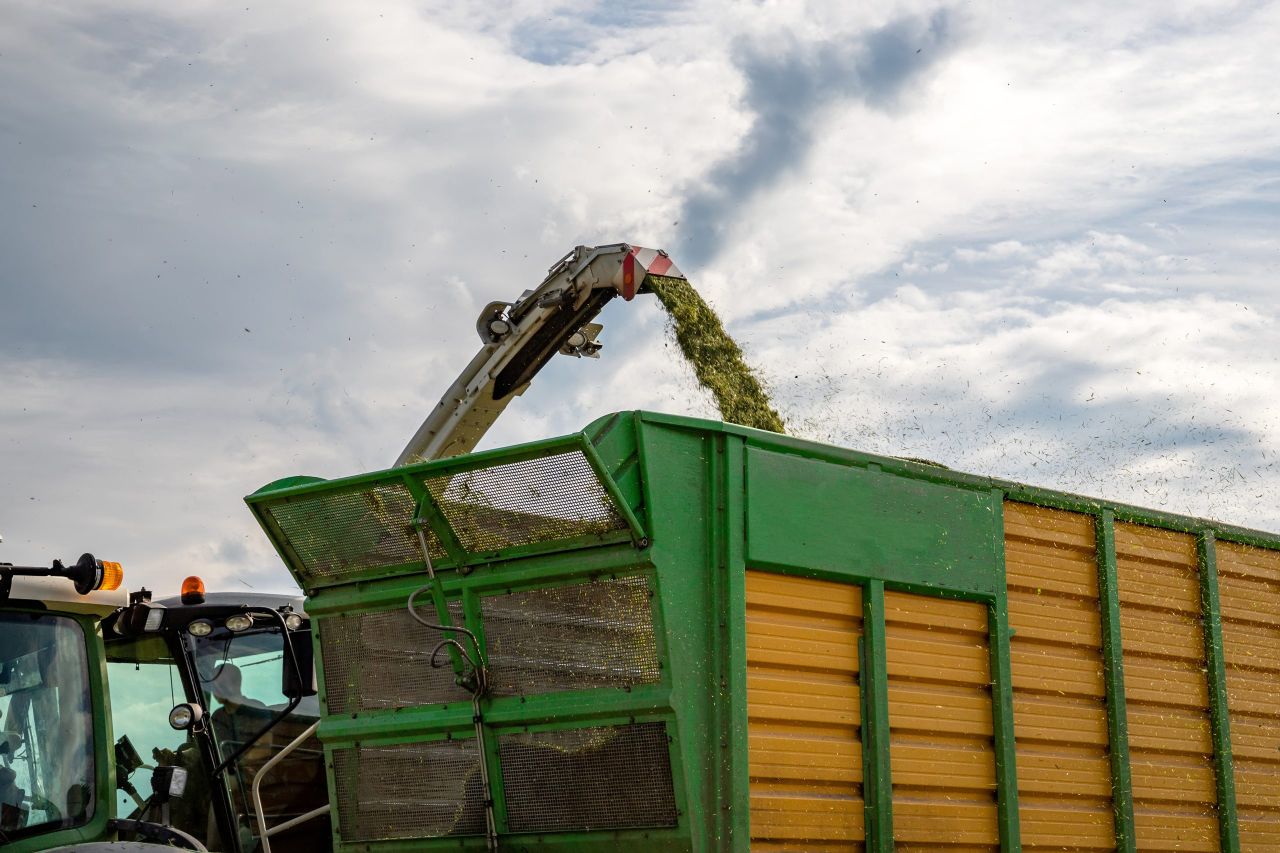
Lawless also called for grants to be paid to farmers to grow crops now to sustain feed supplies in the winter months.
"When someone cuts their barely or wheat the field is often left untouched, but there is a window of time where silage could be produced from that field," he said.
"Some farmers do it already but we should encourage and incentivise it with money."
The TD also called for the Straw Incorporation Measure (SIM) to be ended temporarily in order to keep straw out of the ground.
He said that Aontú is also calling for a gain rebate scheme for farmers who purchase Irish grain, and for the window for fertiliser spreading to be relaxed, as rain may not return before the open period opens in mid-September.
Lawless also called for a pause on farm inspections, claiming farmers "have enough stress already without facing inspections in the middle of the crisis".