Rain providing a chance to finish reseeding

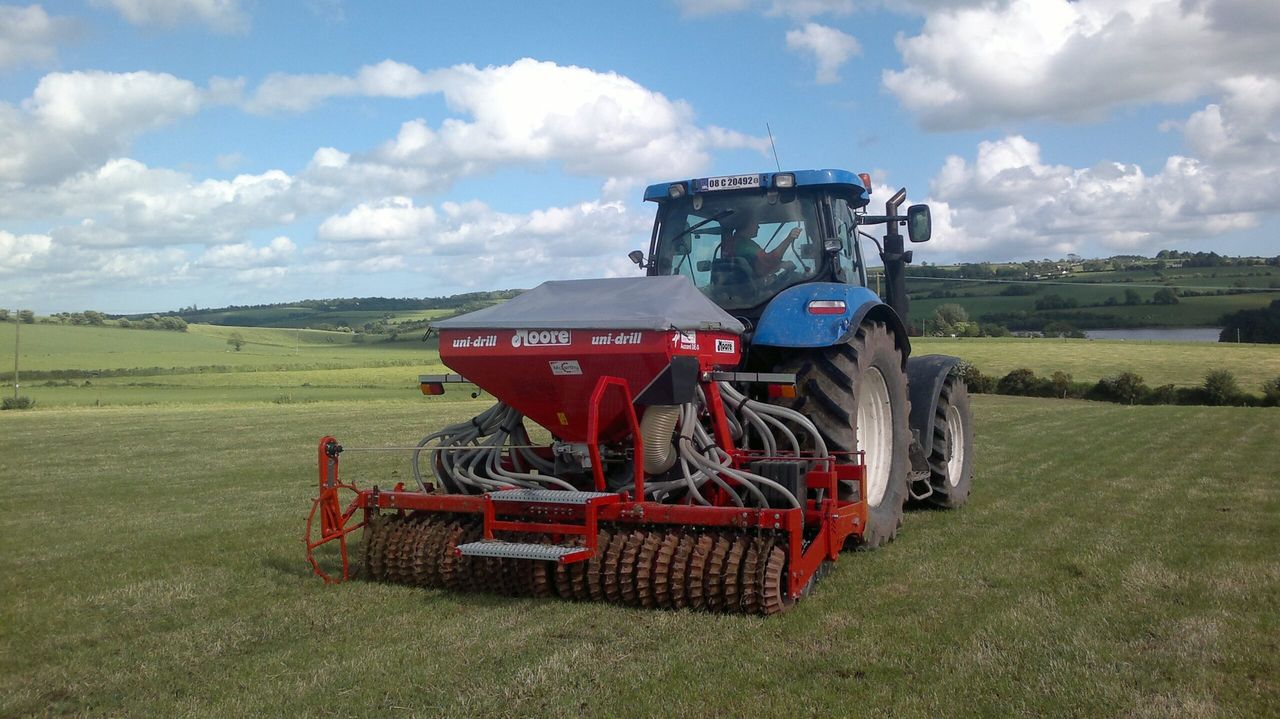
With showers forecast for the week ahead, reseeding may be back on the cards for many farmers across the country.
Farmers who did not get the desired amount of reseeding done during the wet spring would have been hoping to get to work this autumn, but the month-long drought changed the picture once again.
The south-east still needs 40-50mm of rain to get out of drought status, with soil moisture deficits reaching as high as 93mm in areas, according to Met Éireann.
But much of that drier land may have been reseeded at the start of the year, as farmers lean more towards spring reseeds due to clover establishment and weed control.
Farms along the north-west, which would have been wetter in the spring and struggled to get any sowing done, currently only have moisture deficits of -8mm to 2mm, while other parts of the country are hovering in or around 25-58mm.
These farms may now have the perfect opportunity to get grass seed into the ground and established before the year is out.
Autumn reseeding
Reseeding this autumn will ensure that your soil is performing at its maximum level come the following spring, which should see good growth rates prevail throughout the growing season.
However, the further we progress into the autumn, the conditions and weather can make it difficult to get the reseeding done, and the weather can change rapidly, meaning getting the timing of it is crucial.
The aim for an autumn reseed is to have the seed in the ground by the first week of September at the latest, delaying it further into the month sees an increasing risk of poor germination as soil temperatures fall back.
Grass allocations may still be on the tight side, but altering the diet and using tool such as grass wedges should allow you to get sowing while conditions are more favourable.
The target turnaround time for a reseed in the autumn should be 50-60 days, so paddocks for reseeding need to be identified and sprayed off now in order to get the seed in the ground in the first week of September.
Spray off the old pasture with approximately 5L/ha of glyphosate, and allow a minimum of 7-10 days after spraying before cultivating.
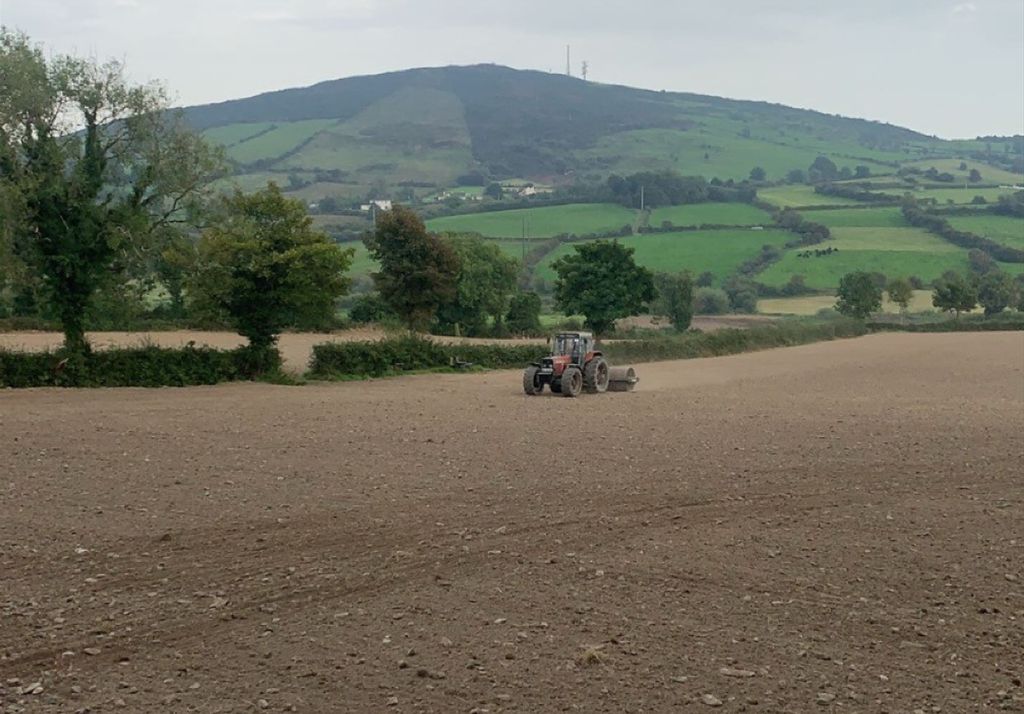
Trash should be removed five days after spraying either through cutting or grazing.
Soil testing should be carried out to put a liming and fertiliser programme for the reseeded field in place.
The Pasture Profit Index (PPI) should be used to identify a suitable grass for your farm, as the variety tool will identify the best varieties to sow when reseeding at different times of the year.
It can not go without saying, white clover will be difficult to establish in the autumn.
With soil temperatures ready to begin to decline, clover will find it difficult to compete with grass, but it is worth sowing either way, the earlier you start, the better.
Try and head into winter with a low cover on the pasture in hope of the clover establishing next spring.
Whether ploughing, discing, one-passing or direct drilling, each of these are equally effective when done right.
One method may suit your land type better and should be discussed with other farmers or your adviser, especially when it comes to farmers in derogation.
Aim to apply a post-emergence weed spray once the grass is at the 2-3 leaf stage about five to six weeks after sowing to get ahead of weed infestations.
It is also essential that the new reseed gets a grazing as soon as possible, as the plants will not pull out of the ground at approximately 700-1,000kg DM/ha.