Laying the groundwork for a successful spring-calving

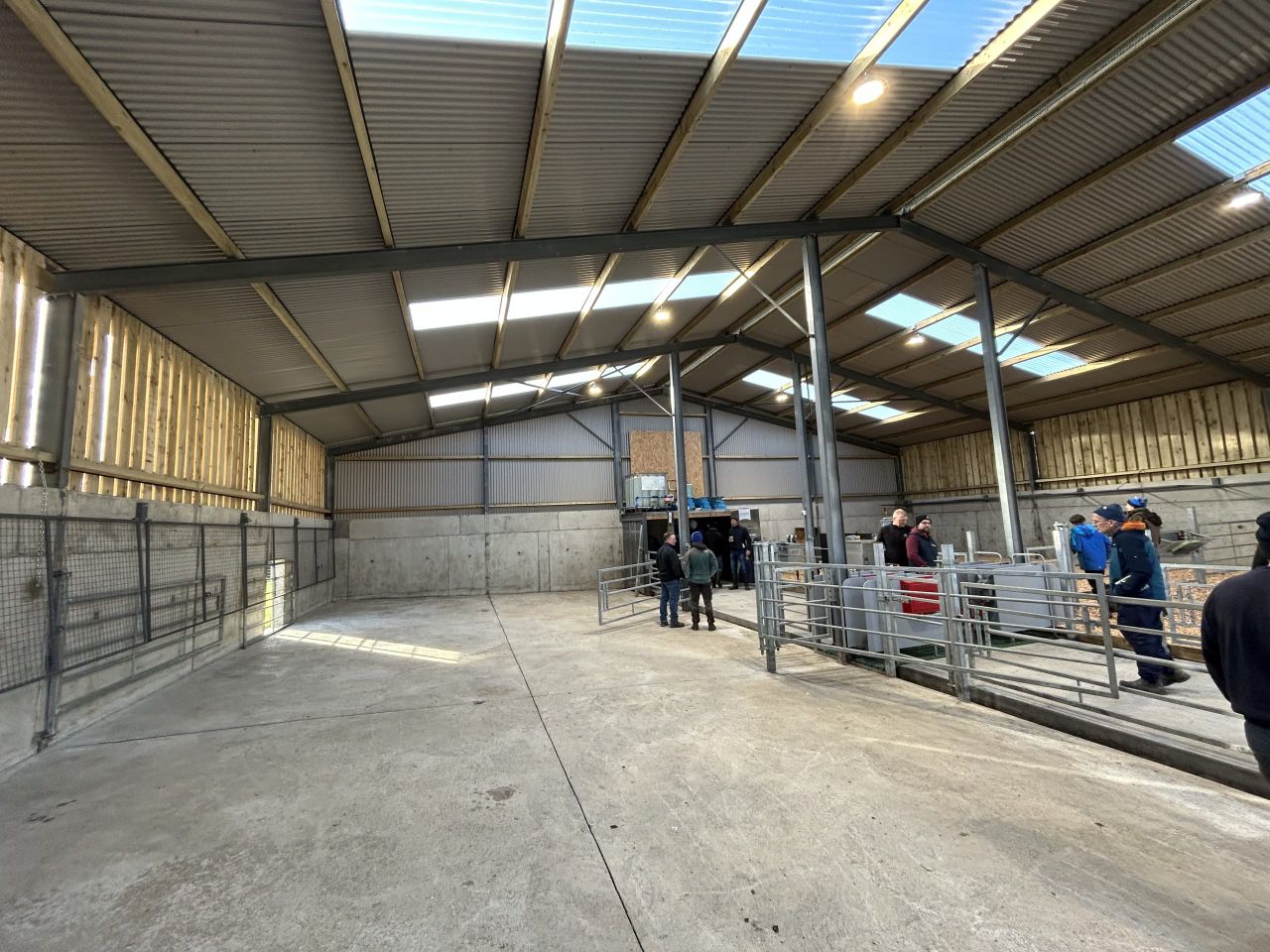
Good calving starts months before the first calf ever arrives on farm by preparing the sheds ahead of things getting hectic once again.
The autumn months are some of the quietest in the year, with calving and breeding in the rearview mirror and silage nearly wrapped up.
That being said, the off-season checklist is always quick to add up, between taking time off, checking in on heifers, body condition scoring the herd, autumn reseeding, roadway development, and more.
But one thing that should be on the top of that checklist is the preparation of your calving facilities.
Calving may seem like ages away, but putting preparation of facilities on the long finger more often than not leads to a rushed job in January, with farmers then on the back foot for the duration of the season.
As well as that, late preparation means the sheds may not be properly disinfected, which can be a costly error when it comes to disease control.
The first step of preparation is asking yourself are your calving facilities actually up to scratch?
When it comes to investing in farm yard infrastructure, the main focus will deservedly be on slurry storage ahead of the 2028 changes in storage space.
But it may be a feasible option to upgrade calving facilities simultaneously.
There is no doubt it is a large investment, but the returns will be evident immediately through improved calf health and labour efficiency.
If you are considering updating your existing calf shed or putting in a new one altogether, there are a number of factors that have to be considered to ensure your investment is worthwhile.
Calving facilities
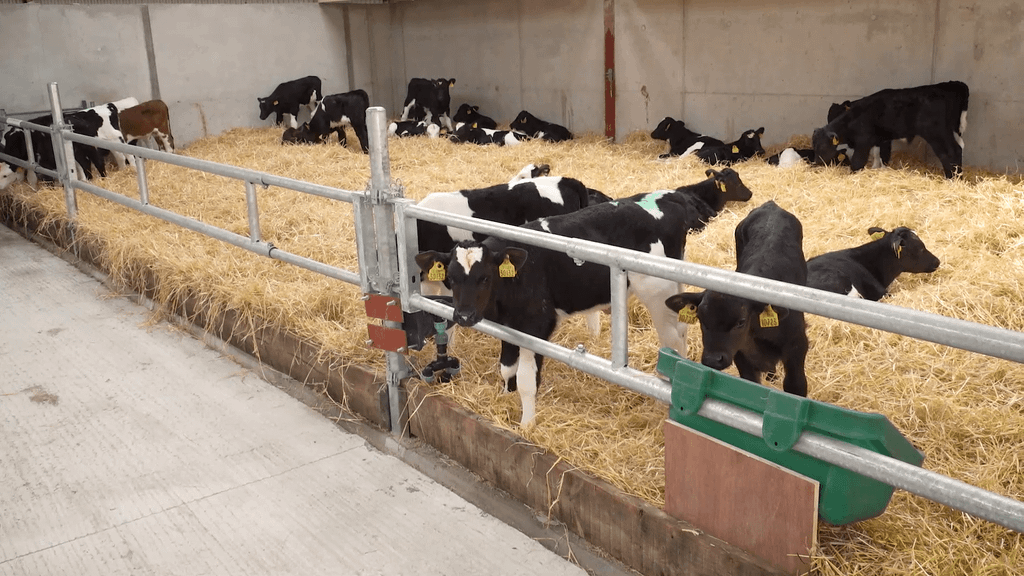
Starting with space allowance, there must be 1.8m2 allowed per calf. A standard sized pen of 4.8m x 4.8m = 23m2 is enough for 12 calves.
Having sufficient space for calves will likely reduce the need for veterinary intervention and time spent treating sick calves, as having an airy shed that is draught-free is crucial to prevent respiratory diseases such as pneumonia.
The calf facilities should be well-ventilated and free from any draughts, with a minimum of 7m3 air space per calf allowed, which is often a challenge for older farm builds.
Installing some sort of a ventilation system in these older builds might be worthwhile, whereby old stale air can be extracted in exchange for fresh air.
Calf houses should be separate from cow facilities so that the airspace is not shared with older animals, who tend to carry and transfer pathogens to young stock.
Within the facilities for the calves, there should be a solid division between the pens to minimise the risk of disease spreading.
Easy access
A farmer should account for accessing the shed with straw bedding or cleaning it out with a tractor as the easier the shed is to access, the more frequently it will get cleaned out, preventing the spread of disease or scour in particular.
Adequate drainage channels of 5% slopes are important to carry away any moisture from the beds - this will keep the straw bedding dry, which will minimise disease and save on labour.
It is an investment for the long run and, with the improvements in breeding in the last couple of years, it may ease the need to sell calves so early off the farm.
This in turn will allow for a bit of breathing space and time to make decisions around the calves.
If you are setting up a brand new calf shed, try and position the shed so that it has access to a paddock, so that young calves could be out during the day and in by night during the spring.
This will save on straw and ensure a gradual transition to grass and weaning.
It might be no harm either if at all possible to keep the replacement calves or the calves that are staying on the farm in a separate shed and the calves for selling in pens near the front of the yard.
This will allow buyers to come in and pick them up with ease and without bringing new infection to those staying on the farm.
The introduction of automatic calf feeders seems to be a great time-saver on farms, if facilities are already in good order but feeding is still taking up too much time.