Roscommon project aims to stop ancient field names from disappearing

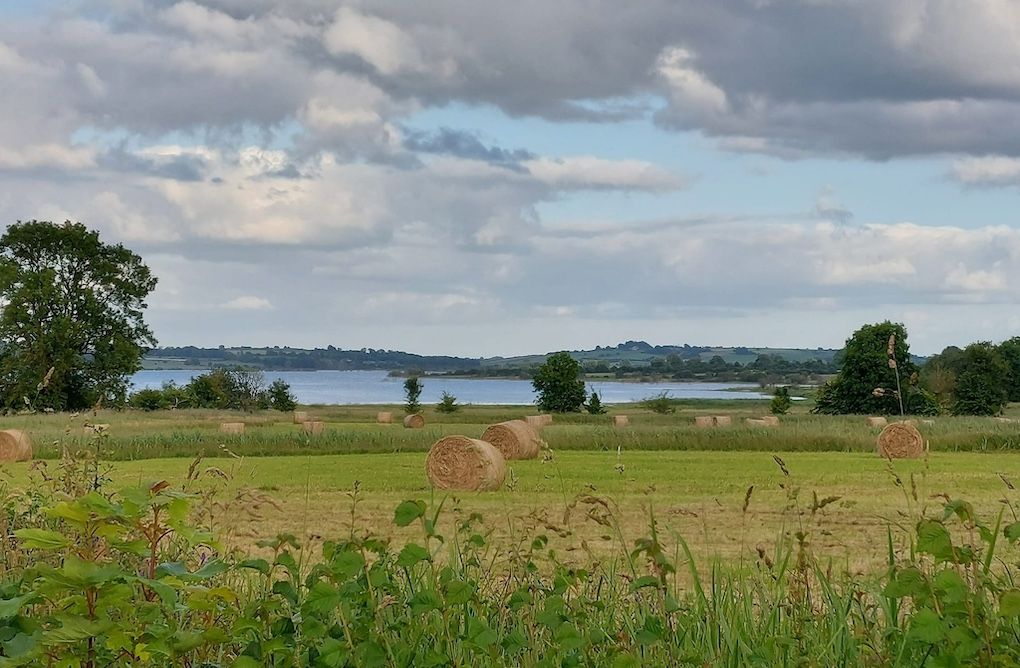
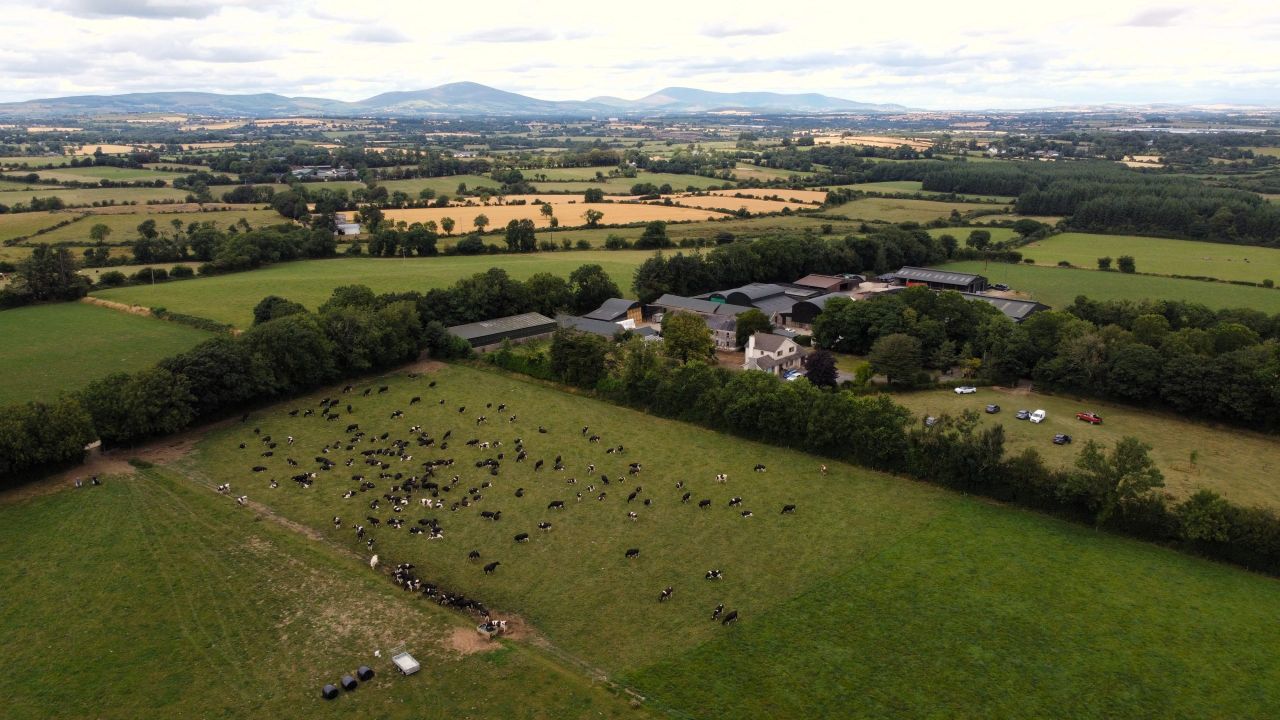
Irish field names are in danger of disappearing, according to the organisers of a meeting in Rahara, south Co. Roscommon next weekend.
The gathering, which will be held in Rahara National School onSunday, August 16 at 10:30a.m, hopes to record the traditional names of fields throughout the area.
Current and former landowners are invited to share the names of their fields, along with the stories, history and memories associated with them.
The event forms part of National Heritage Week and the wider Roscommon Field Names Project, funded by Roscommon County Council.
Rahara
Nestled between Roscommon and Athlone on the shores of Lough Funshinagh, Rahara (Rath Aradh) is a landscape steeped in history.
Its rolling hills once witnessed the Battle of Rahara in 816 AD, recorded in the Annals of the Four Masters.
The area is also home to more than 50 ancient ringforts; a fulacht fiadh or Bronze Age cooking pit in Ganaveens; St. Brigid’s Well in Carrowkeel; and the historic Highbog sweathouse.
According to the organisers of the event, the land has always been central to Rahara’s identity.
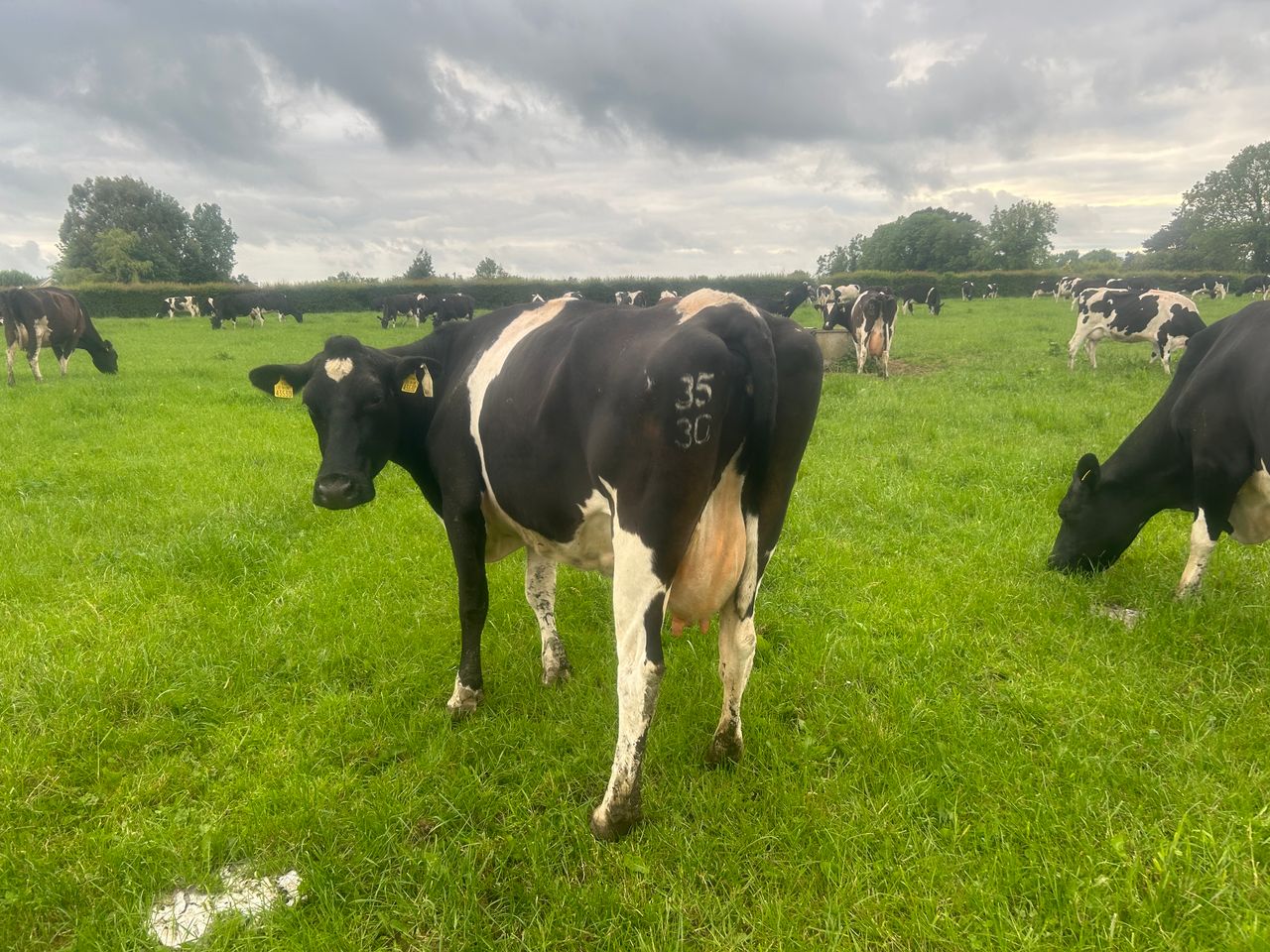
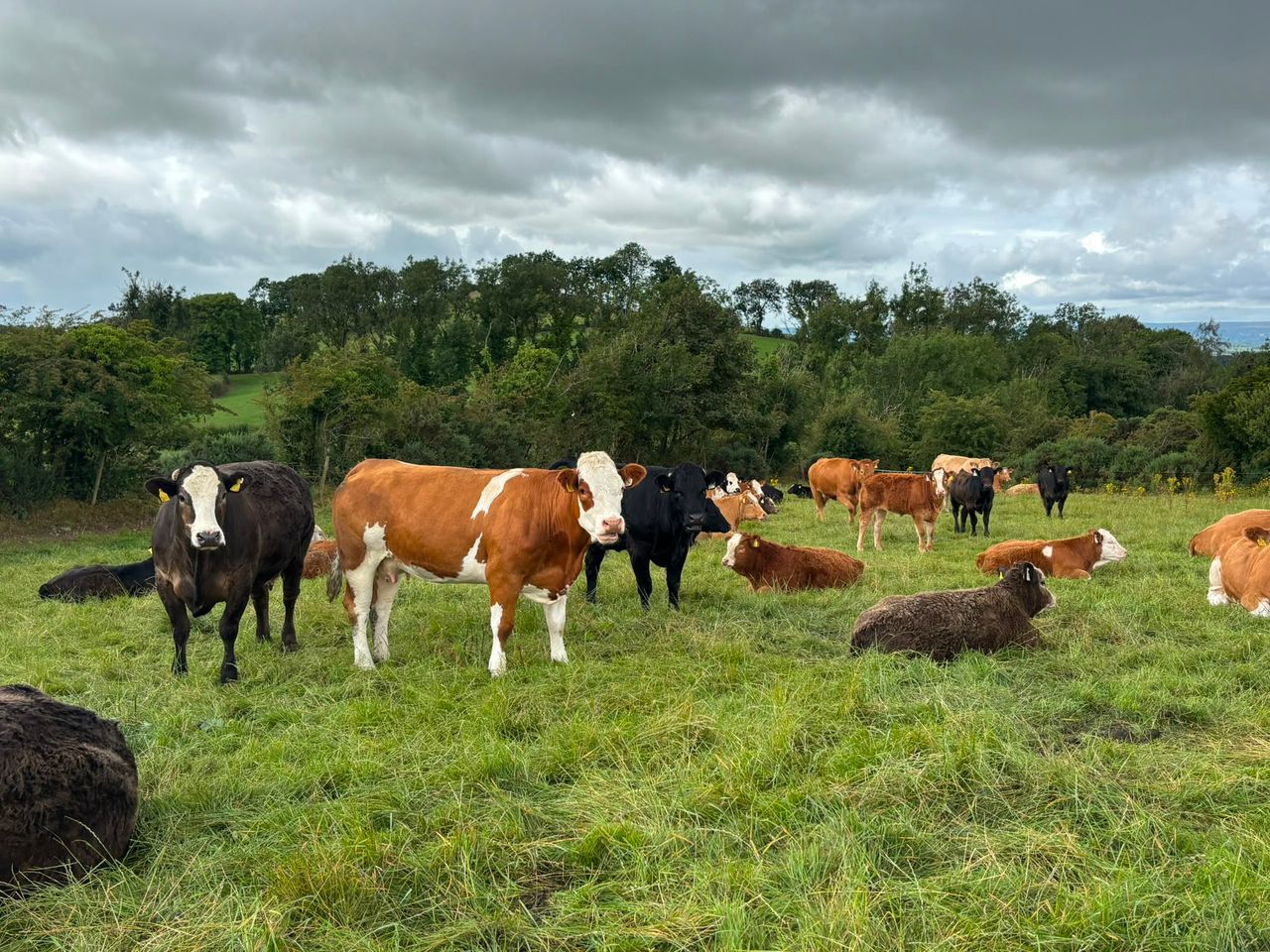
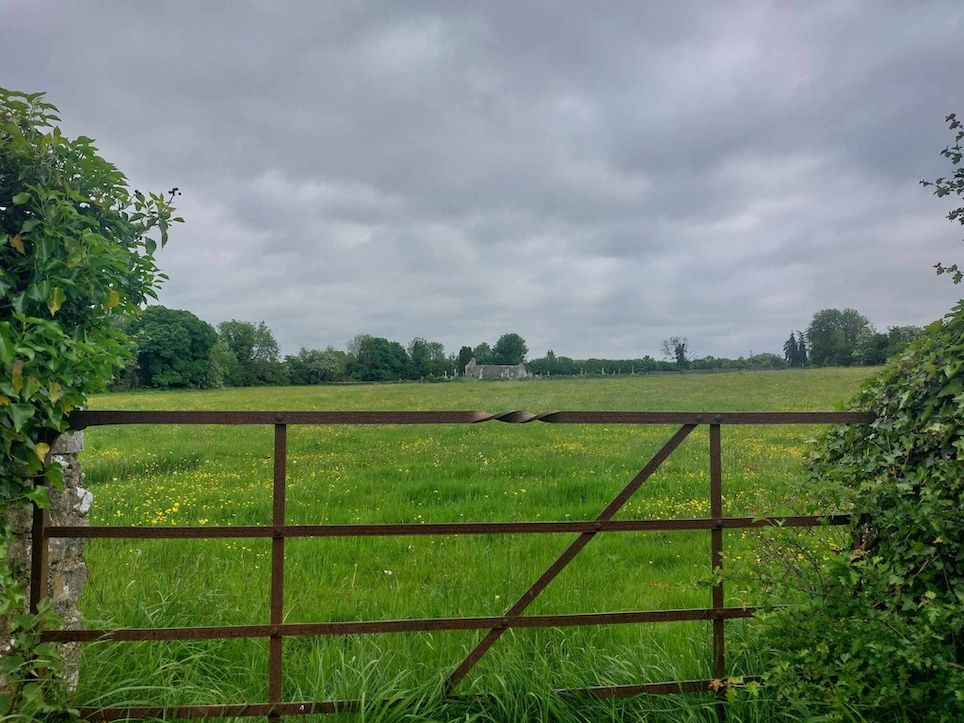
Generations of farmers shaped the landscape, building miles of dry stone walls and cultivating field names that carried "meaning, memory and local lore".
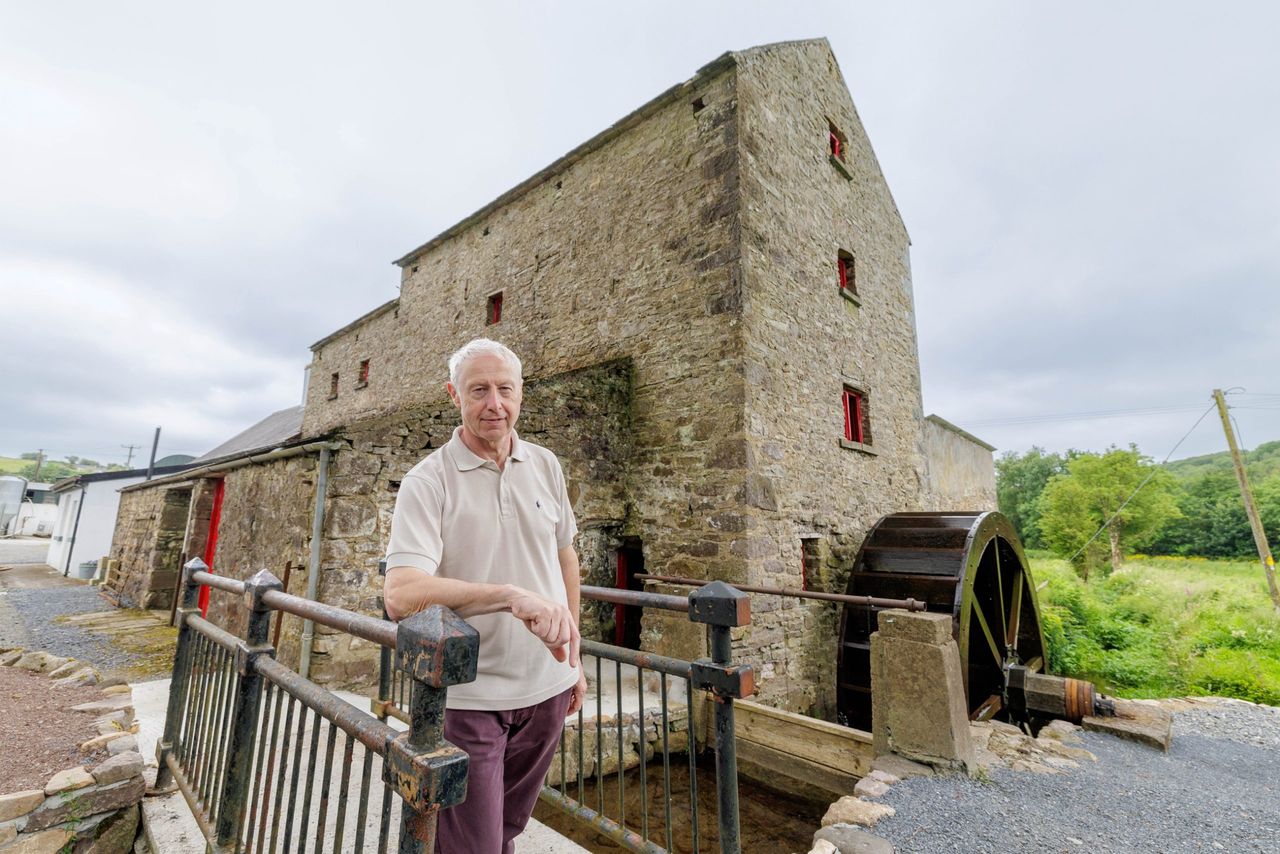
Names such as ‘The Bull Field’, ‘The Haggard’, ‘The Mill Field’ and ‘Móinín na Manach’ have been passed from one generation to the next through conversation rather than written records.
Today, however, many of these names are in danger of disappearing forever, the organisers said.
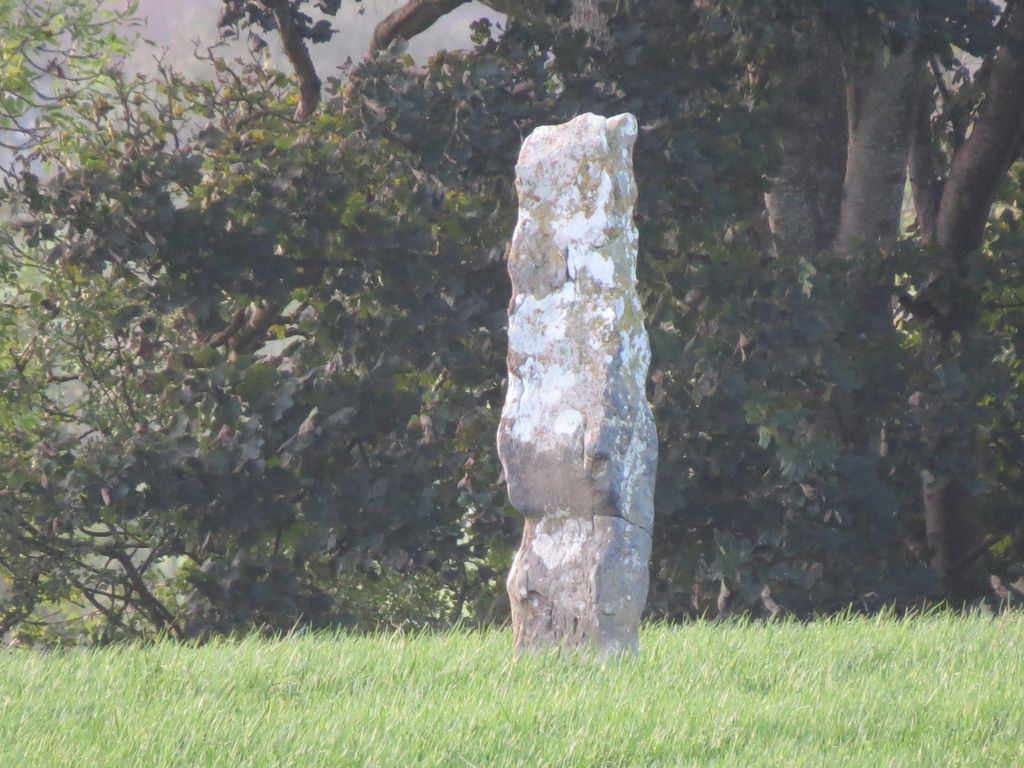
Rahara Tidy Towns and Development is urging landowners to take part in the project to ensure the names, and the stories behind them, are not lost forever.
"As older generations pass away and farming practices evolve, an irreplaceable part of Rahara's heritage risks being lost," it said.
The Rahara Field Names Project aims to capture these names and the stories behind them while they are still remembered, ensuring they are preserved for future generations.
Local farmer Michael Beattie said:“Every field has a name, and every name has a story.
"My father knew every inch of the land and could tell you why each field was called what it was. If we don’t record this now, that knowledge will vanish.”
Local landowner, Luke Donnelly has also seen first-hand how easily this knowledge can disappear.
He said: “When my uncle passed, we realised we may lose the names he used every day.
"They weren't written anywhere, they lived in people’s memories.
"This project gives us a chance to save them before it’s too late.”
Local heritage
At the event next weekend, people can enjoy a cup of tea while sharing field names, stories, and memories.
Area aid maps are welcome, but not essential as maps will be available on the day.
Orla Donnelly, chairperson of Rahara Tidy Towns and Development: "Even if you only remember one field name or one story, it could be something no one else knows.
"We're encouraging people to have a conversation with parents, grandparents, neighbours or relatives before the event.
"A simple chat over a cup of tea can unlock memories that haven't been spoken about for years. Every contribution helps to preserve a piece of Rahara's history."
Rahara’s landscape is already renowned for its historical richness, from ancient ringforts to the dramatic story of Lough Funshinagh, the world famous 'vanishing lake' fluctuating waters have shaped local life for centuries.
In recent years, the lake’s behaviour has become even more impactful, with unprecedented flooding, leading to demolished homes, long‑term road closures, and submerged farmland, the organisers said.
"These events have left a deep mark on the community, reminding us how closely our lives remain tied to the land.
"Recording field names adds another layer to this heritage, preserving the lived experiences of the families who worked the land," Donnelly said.
Local county councillor Laurence Fallon praised the initiative and encouraged people to take part.
He said: “Future generations will walk these fields. They deserve to know the stories beneath their feet.
"These names aren’t just labels. They tell us who lived here, what crops were grown, where old houses stood, even where people gathered.
"They’re part of our identity and our heritage, and once they’re gone, they’re gone.”
The project will record all collected names online, ensuring they become a permanent part of Ireland’s cultural heritage.
Townlands in the Rahara survey include: Ballagh; Ballyglass; Barnacullen; Caltragh; Carrowkeel; Carrowmoney; Clooneen; Curraghnaveen; Ganaveens; Glenfin; Gortacarnan; Gortaganny; Gortnadarra; Highbog; Kilcash; Killeenadeema; Kilmass; Lackan; Longfield; Rahara; Roverkilly; Scregg; Skrine; Tober Connor; and Turlagh.