Scottish farmers on alert as first bluetongue case confirmed

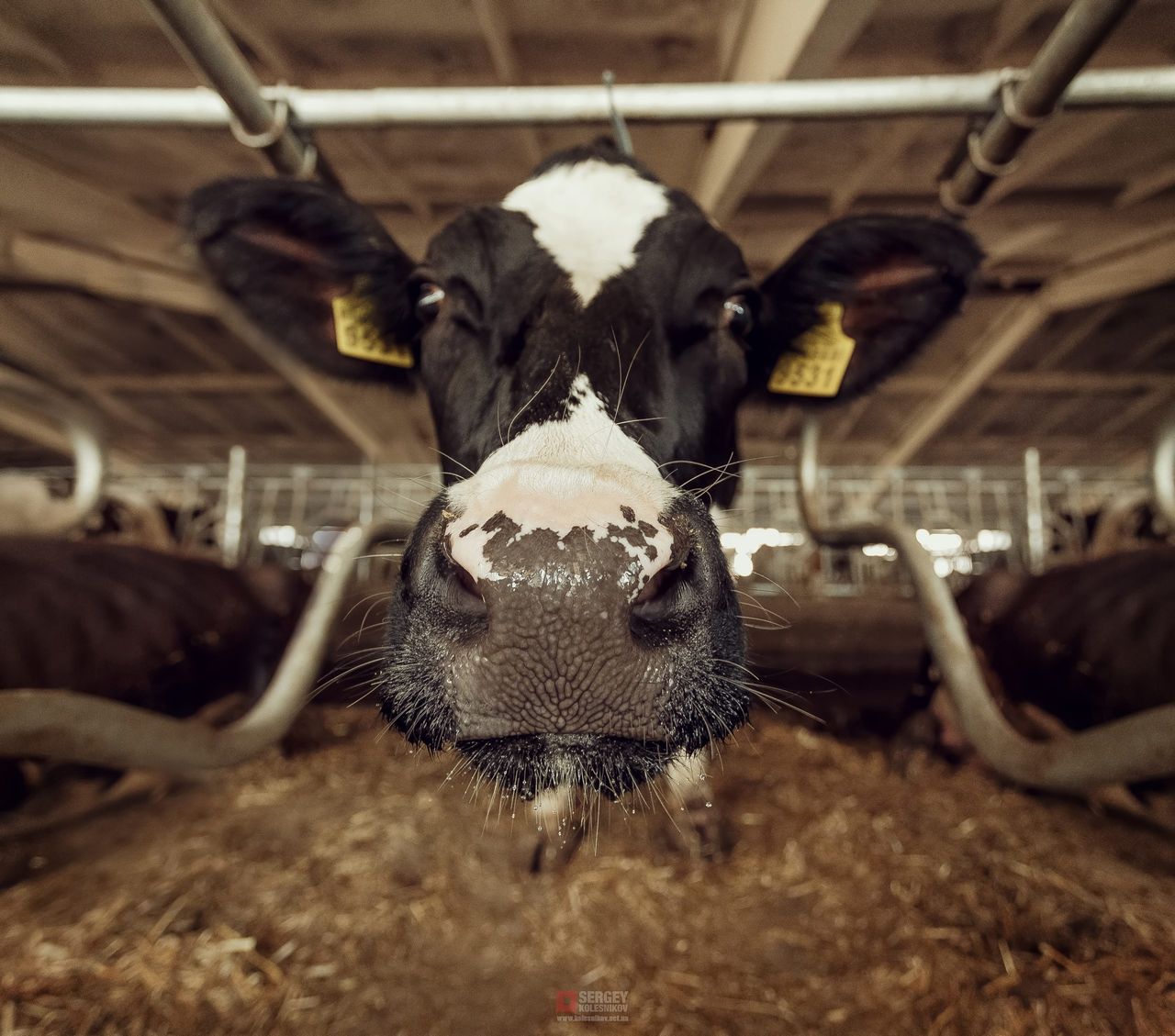
Scotland has recorded its first-ever case of bluetongue after the virus was detected in an animal in the south-west of the country.
The Scottish government has confirmed that a single case of bluetongue had been detected in an animal, which had been euthanised on "welfare grounds".
According to the UK's Department for Environment, Food and Rural Affairs (Defra), the animal came from a farm in the Dumfries and Galloway area.
It has been reported that the animal was infected with the BTV-3 serotype, which is the most common strain of bluetongue in the UK.
Scotland's chief veterinary officer (CVO), Sheila Voas, said there was some uncertainty about the true extent of the outbreak as testing was continuing.
Voas said: "At this stage it is not possible to know if bluetongue is circulating in Scotland, or whether this is an individual case.
"The farm is under restriction while investigations, including testing other susceptible animals, are ongoing."
She encouraged Scottish farmers to consider vaccinating their animals against bluetongue, stating that it "remains the best way of preventing the disease".
According to the UK government, clinical signs of the disease include nasal discharge, lameness, reduced milk production, diarrhoea, and redness or swelling of facial features.
It added that bluetongue was a notifiable disease and any suspected cases should be reported to Animal and Plant Health Agency (APHA) Scotland Scotland.
NFU
The National Farmers' Union (NFU) Scotland also stressed that it was currently "unclear whether the disease is circulating more widely in Scotland or whether the case is an isolated incident".
The farm organisation called on the Scottish government to determine the scale and likely source of infection, and put controls in place to prevent spread through animal movements, if necessary.
NFU Scotland noted that such controls could include establishing appropriate disease control zones, movement controls and robust surveillance and testing.