Fence maintenance ahead of 2026 grazing season

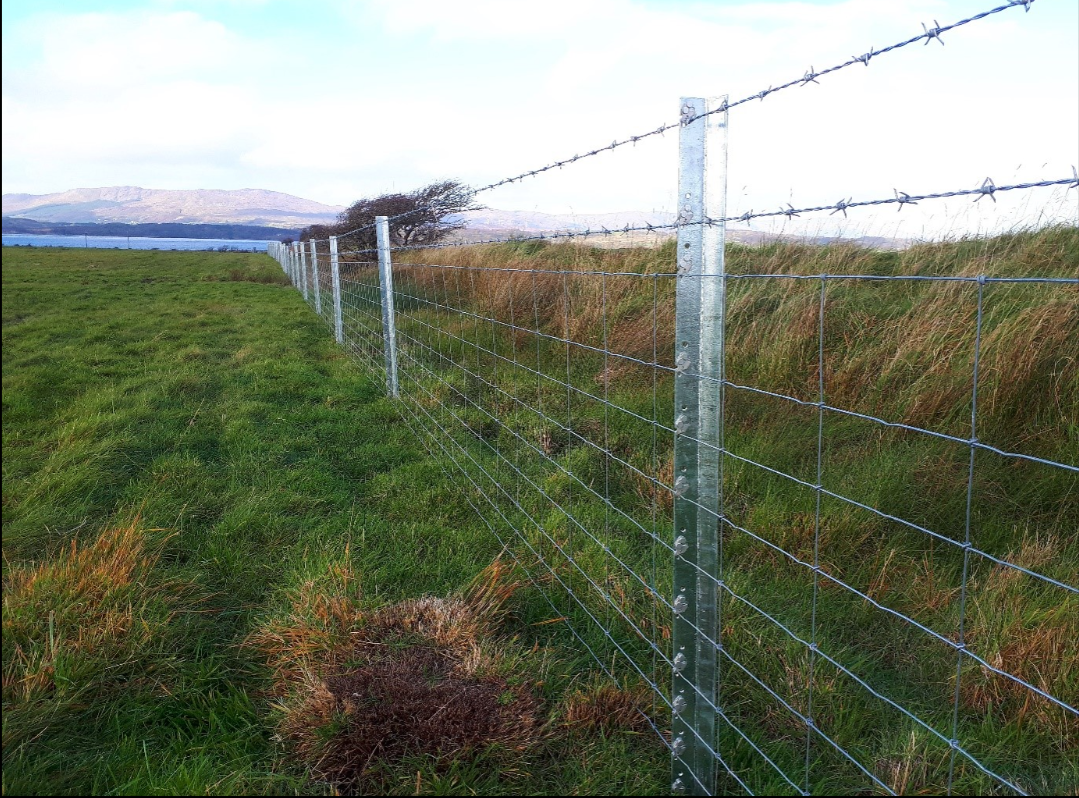
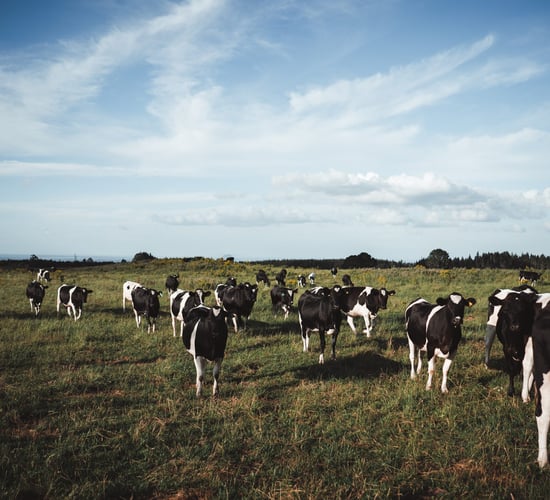
Fence maintenance is a job that can often be put on the long finger, but having paddocks fenced and ready to go means cattle can be turned straight out to grass once weather conditions allow.
February and March can often be busy months on farms with calving and lambing taking place, so now is as good a time as any to check fences, drinkers, gates, and hedges are are all in working order after the winter.
Checking boundary fences for fallen trees, broken posts or gaps that may have appeared in hedges over the winter is a good place to start.
Checking paddock fences and field boundaries as well as gates is also advisable.
Where temporary fencing is used, checking electric fence reels, handles and posts are all where they should be and easy to find when needed is useful.
Where gaps may need gates rehung, now is as good a time as any to act and farmers will know the ease and comfort that simple measures like good fencing and properly-hung gates will bring when managing livestock at grass.
Fences or hedges that are weak or are prone to letting livestock through them could be fenced with additional wire, allowing for better management of grass covers on the farm.
Where electric fencing is used, checking there is sufficient current making its way around the fence is also important.
Regarding walls or hedges, gathering branches or stones that may have fallen out from them is also easier done now than later in the spring when grass is starting to grow through these.
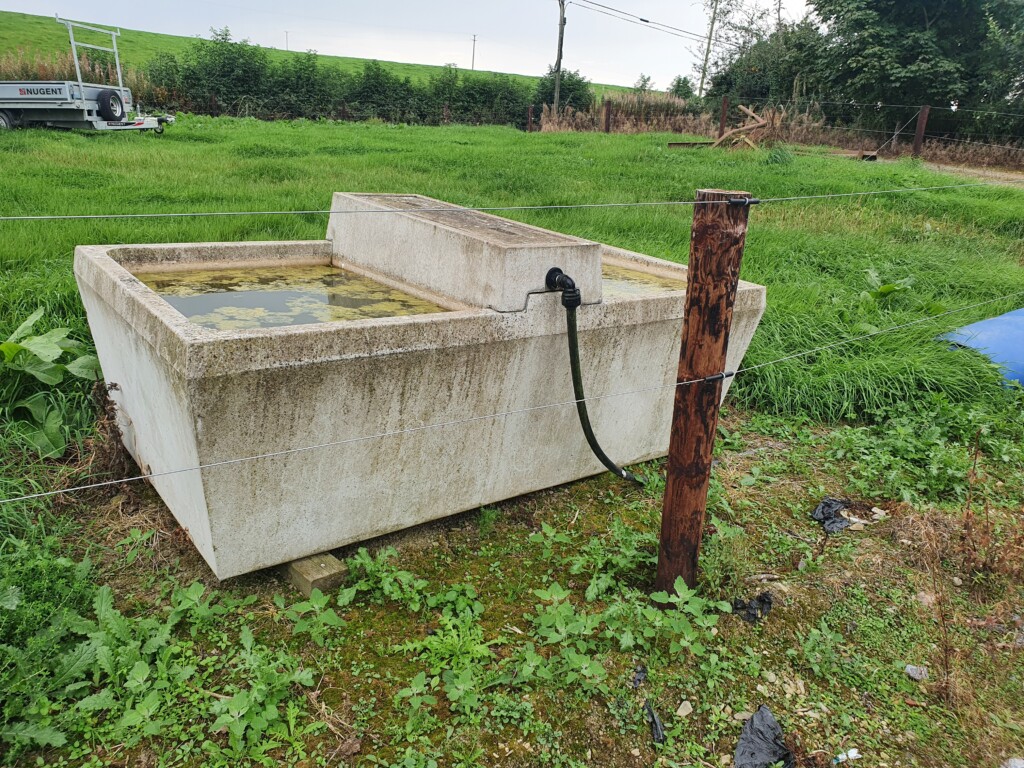
Many farmers like to switch off water going to the land and empty out drinkers, particularly concrete drinkers, for the winter months to ensure they will not crack in the frost.
With frosty conditions still around, this is one job that can potentially be left until closer to grazing time.
Getting these jobs done now will reduce pressure on farmers later in the spring when weather conditions allow for livestock to go back out to grass again.