Sponsored
Farmers invited to take part in Arable Coast Environment project

Sponsored by
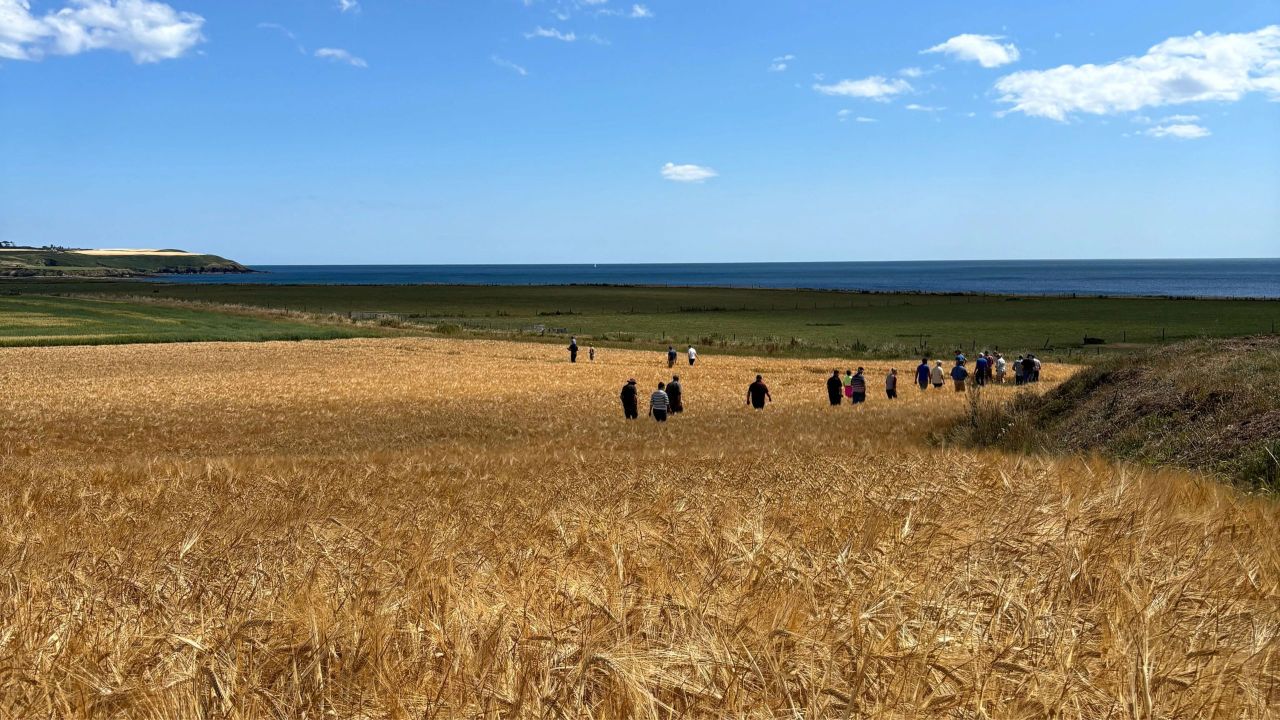
Farmers managing tillage land along Ireland’s south and south-east coasts are being invited to apply to participate in the Arable Coast Environment (ACE) European Innovation Partnership (EIP), an initiative working with farmers to enhance biodiversity within productive agricultural landscapes.
Managed by SECAD Partnership, the ACE EIP is supported by the Department of Agriculture, Food and the Marine (DAFM), the National Parks and Wildlife Service (NPWS) and the European Union through Ireland’s CAP Strategic Plan 2023–2027.
The project covers targeted areas along the coast from the Kinsale area in Co. Cork, through east Cork and Waterford to south-east Wexford.
ACE is focused on farmland birds and the habitats they depend on across Ireland’s south and south-east tillage landscapes, with wider potential benefits for biodiversity, soil and water.
Why tillage landscapes matter
Tillage farms have long provided important habitat for farmland birds, including ACE species of interest such as yellowhammer, skylark, meadow pipit, hen harrier, kestrel, barn owl and chough.
But Ireland’s landscape and farming practices have changed, and the resources these birds rely on are now less abundant, particularly during winter and early spring when seed-eating species such as yellowhammer face a “hungry gap”.
ACE is working to address this through practical interventions on individual farms that support these species, and the insects and small mammals that form part of the wider food chain.
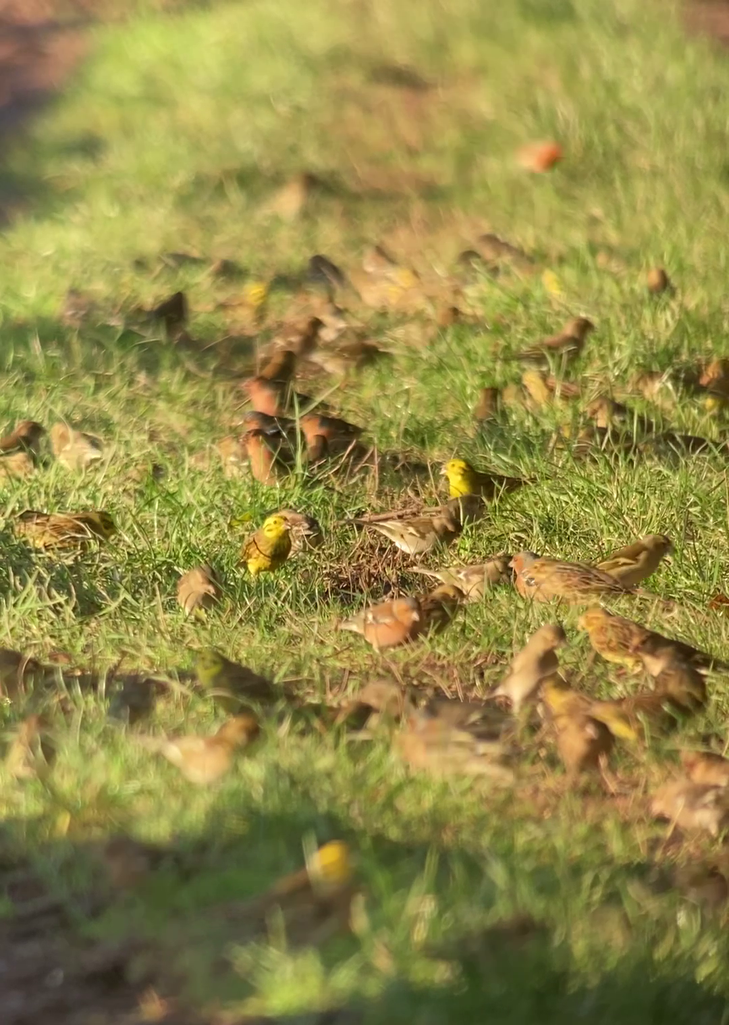
Together, these actions can contribute to healthier, more resilient farming landscapes while keeping productive agriculture at their heart.
Yellowhammer, a species strongly associated with arable farmland, has seen its breeding range in Ireland contract by 61% over recent decades and is red-listed as a Bird of Conservation Concern.
ACE lead ecologist Daniel Weldon said: “Several species of farmland birds, including yellowhammer, rely on tillage farming, as cereal crops and arable weeds provide their primary food source.
“These birds depend on having the right food and habitat available at different points throughout the year.
"Through ACE, we have an opportunity to improve those habitats and reverse the declines along the south coast.”
Ecological surveys carried out across the project area are helping the ACE team understand existing populations and habitats, target measures where they can have greatest benefit and track their impact over time.
Working with farmers
ACE is a farmer-focused initiative exploring how practical environmentally positive actions can be successfully integrated into working farm systems.
Participating farmers will work with the ACE team to co-design an ACE Farm Plan, identifying measures appropriate to the individual farm and its place within the wider landscape.
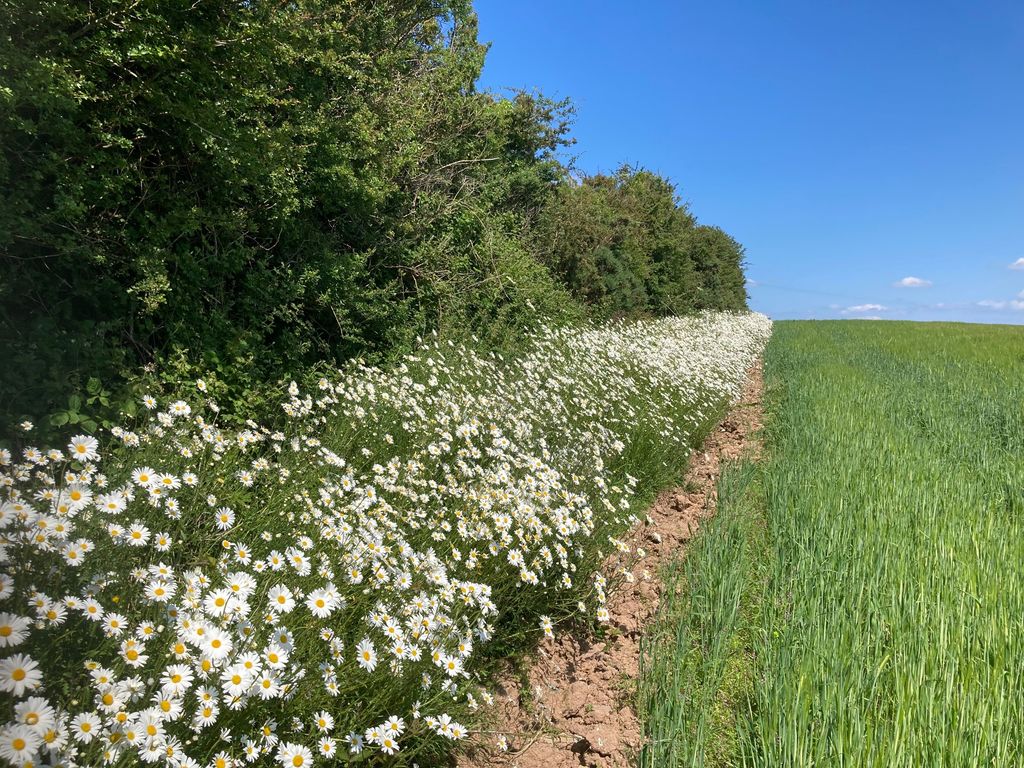
Measures may include arable field margins, beetle banks, skylark plots, supplementary winter feeding, winter stubble retention, winter bird food crops and arable fallow, alongside management of existing features such as hedgerows, with scope for additional actions as the project develops.
ACE aims to offer farmers the opportunity to help shape a practical, collaborative approach to supporting biodiversity within productive tillage systems.
It will also allow them to bring their own knowledge and experience to the project, testing what works on the ground and exploring how measures can work alongside commercial farming.
Farmers selected to participate in ACE following the Expression of Interest process will receive financial payments for implementing and maintaining agreed ACE measures on their farms.
Creating connected habitats
Wildlife does not recognise farm boundaries, and one of the longer-term ambitions of ACE is to reflect that in how habitat is created and managed.
By collaborating with farmers across the project area, actions on individual farms can become part of a wider network of habitat extending across neighbouring farms.
As ACE develops, these contributions have the potential to build greater connectivity across the landscape, adding up to something much more significant than any one farm could deliver alone.
Could your farm be part of ACE?
ACE is seeking farmers actively managing tillage land within the eligible project area.
Tillage does not have to be your primary farm enterprise. Farmers whose main enterprise is dairy, beef, sheep or another farming system, but who also manage active tillage land, are encouraged to apply.
Expressions of interest to be an ACE Participating Farm open on August 31, 2026 and close at 5:00p.m on September 25, 2026.
Farmers can also contact SECAD Partnership at [email protected] or 021 461 4332.
Expressions of Interest will be assessed against the project’s eligibility and selection criteria, and the ACE team will contact applicants regarding the next stage of the process.
Sponsored by