FAO: 72,000 West Bank families need emergency agricultural assistance

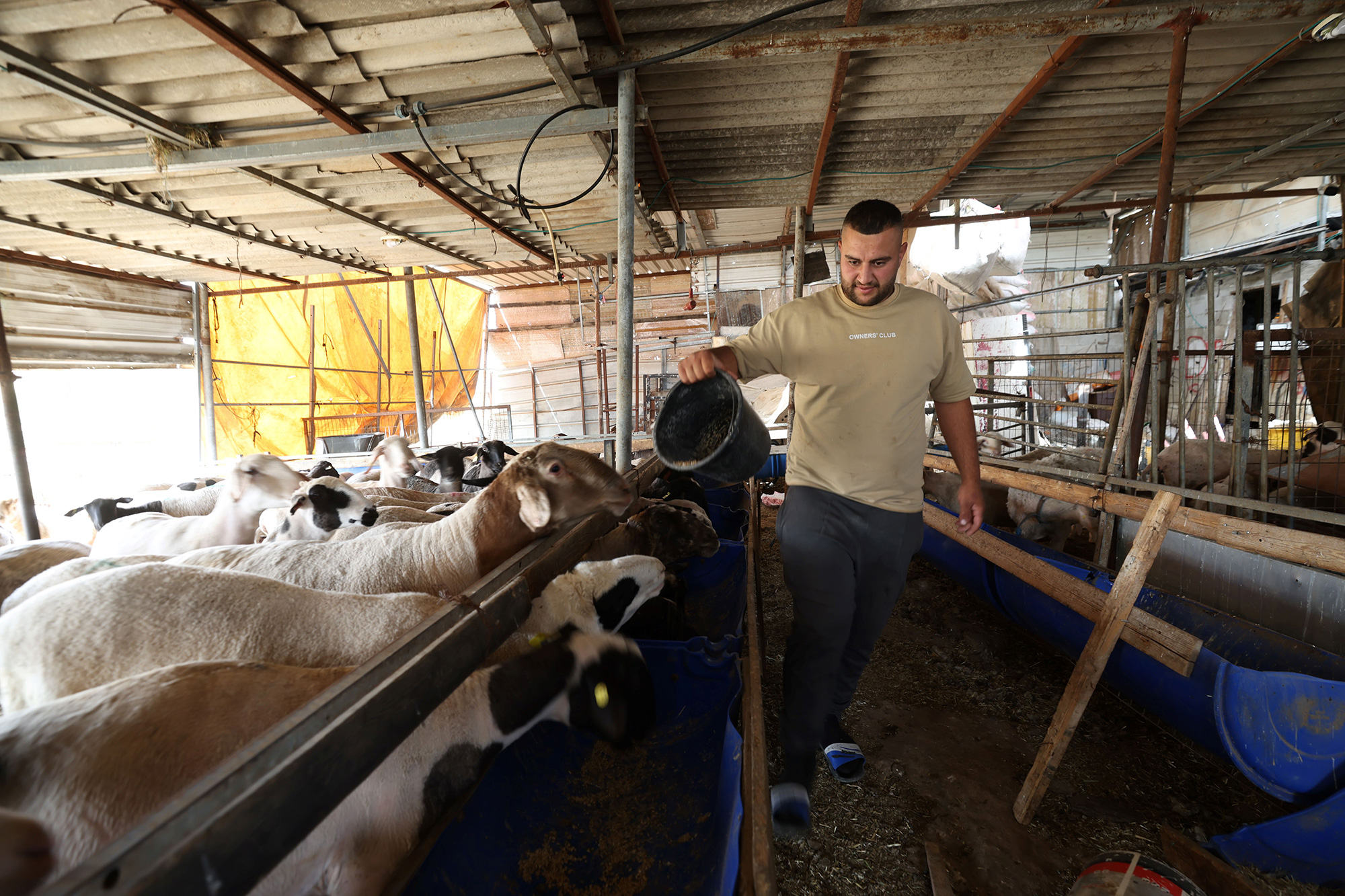
More than 72,000 farming and herding families in the West Bank – nearly two-thirds of all agricultural families – urgently require emergency agricultural assistance.
That's according to a new survey published today (Wednesday, December 24) by the Food and Agriculture Organisation of the United Nations (FAO).
The survey shows that about 90% of West Bank agricultural families have recently lost income, driven by sharp declines in crop and livestock production and sales.
These estimates are based on FAO’s Data in Emergencies (DIEM) survey for the West Bank, conducted from July–August 2025.
Agriculture remains a vital lifeline for the region.
Of the approximately 700,000 families living in the West Bank (according to the Palestinian Central Bureau of Statistics), an estimated 115,000 depend on agriculture for their livelihoods, making the sector central to food security and income.
Rein Paulsen, director of FAO's Office of Emergencies and Resilience.said: “The results of FAO’s DIEM survey – the second conducted in the West Bank this year – are clear.
"Agricultural families urgently need assistance - both cash and in-kind - to mitigate the impacts of widespread settler violence, a deepening economic crisis and near-ubiquitous loss of income."
Comprehensive assessment
Funded by the EU, the DIEM is one of the most comprehensive assessments of the escalating impacts of the Gaza Strip conflict on West Bank farming and herding families.
More than 1,500 families were surveyed, including crop producers, livestock holders and families who rely on both farming and herding.
The survey highlights the pressures facing rural families: nearly nine in 10 agricultural West Bank families - or about 100,000 agricultural households - have recently experienced at least one acute “shock”.
The most common shocks reported by families were conflict and violence, rising living costs, and job loss.
Many families previously relied on off-farm work to supplement their incomes. Before October 2023, 41% of respondents worked in Israel or Israeli settlements.
Of these, 91% lost their jobs following the conflict’s outbreak, and less than half have since found alternative work - mostly in agriculture - at a time when farming itself has become increasingly difficult.
Challenges
Families also reported limited access to water, movement restrictions and land access constraints, lack of available and affordable agricultural inputs, and high fuel and transport costs.
Despite these challenges, agriculture remains one of the most effective pathways for families to access food and income.
“Ensuring conflict-affected farmers and herders receive timely emergency agricultural support to resume their productive capacities and restore agricultural production is one of the fastest and most effective ways to help families recover,” Paulsen said.
“Seeds and fertilisers, drought-tolerant crops, veterinary kits, water tanks, animal shelters and dairy processing tools are urgently needed to sustain livelihoods and safeguard productive assets.
“Unimpeded humanitarian access must be granted to ensure assistance reaches families without delay, and sufficient funding is essential to prevent households from sliding deeper into crisis.”