EU should be 'a technology maker' on gene editing - agronomist


Goldcrop cereal variety manager, John Dunne, is a strong advocate for the use of gene editing as a plant breeding tool within the EU.
“We are getting very close to this set of circumstances becoming a reality,” he explained.
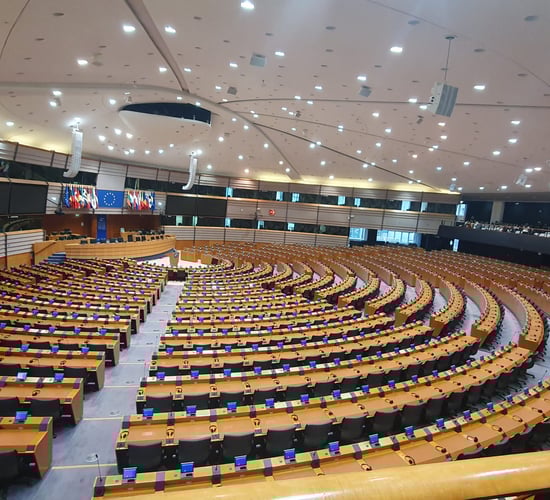
“The European Commission has already signalled its support for the technology.
“Moreover, it’s very likely that the European Parliament and the EU’s Council of Ministers will vote in favour of the technology’s introduction within Europe prior to Christmas.”
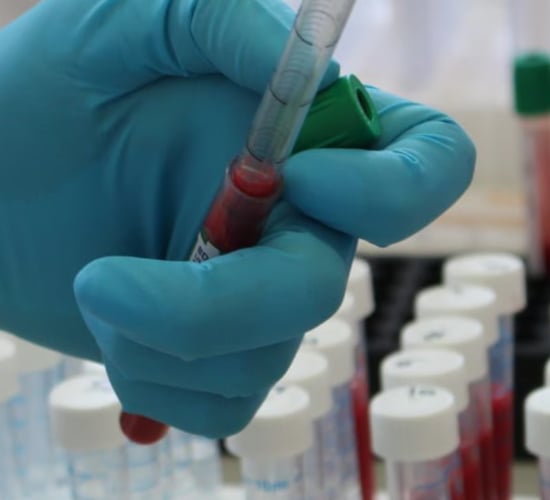
Driving this process is the growing international recognition of the role that the bespoke CRISPR-Cas9 gene editing tool can play in fast-tracking plant varietal development programmes.
According to Dunne: “Genomic modification has always been the driving force behind all plant development programmes.
“This principle was established by Gregor Mendel, the father of modern genetics, some 165 years ago.
“CRISPR gene editing allows specific genes to be precisely switched on and off within an overall genome.
“This process allows for the speeding up of the genetic progress that can be made within modern plant breeding programmes.”
EU and gene editing
According to the Goldcrop representative, gene editing is already being used in many countries around the world to speed up and further the development of superior plant varieties.
Dunne added: “So it’s important that the EU does not lose out where the use of this new technology is concerned.
“Europe used to be the cradle of innovation when it came to the development of so many technologies.
“This is no longer the case. However, it is important that the legality of gene editing is enshrined within European legislation as soon as possible.
“The technology can be used to guarantee a sustainable future for European agriculture - both in crop and livestock production systems."
Crop production traits that can be beneficially adapted through the use of gene editing include: yield potential; disease resistance; and better adaptability to environmental conditions.
“The last number of months have seen Yellow Rust resistance breakdown becoming an important issue within certain varieties of winter wheat,” the plant breeding specialist continued.
“This issue can be attributed to specific groups of genes within the wheat genome.
"So, it’s easy to see how gene editing could play a role in addressing this kind of challenge.”
Dunne noted that he does not expect gene editing to make an overnight difference to the outcomes of the plant breeding programmes implemented in Europe.
“But the technology can make a very real and positive difference over a period of years," he said.
“It is the long-term impact of gene editing that will make the technology a genuine game changer.
“Europe can be a technology taker or a technology maker; I would choose the latter."