EU lawmakers agree to simplify fertiliser rules to 'support farmers'


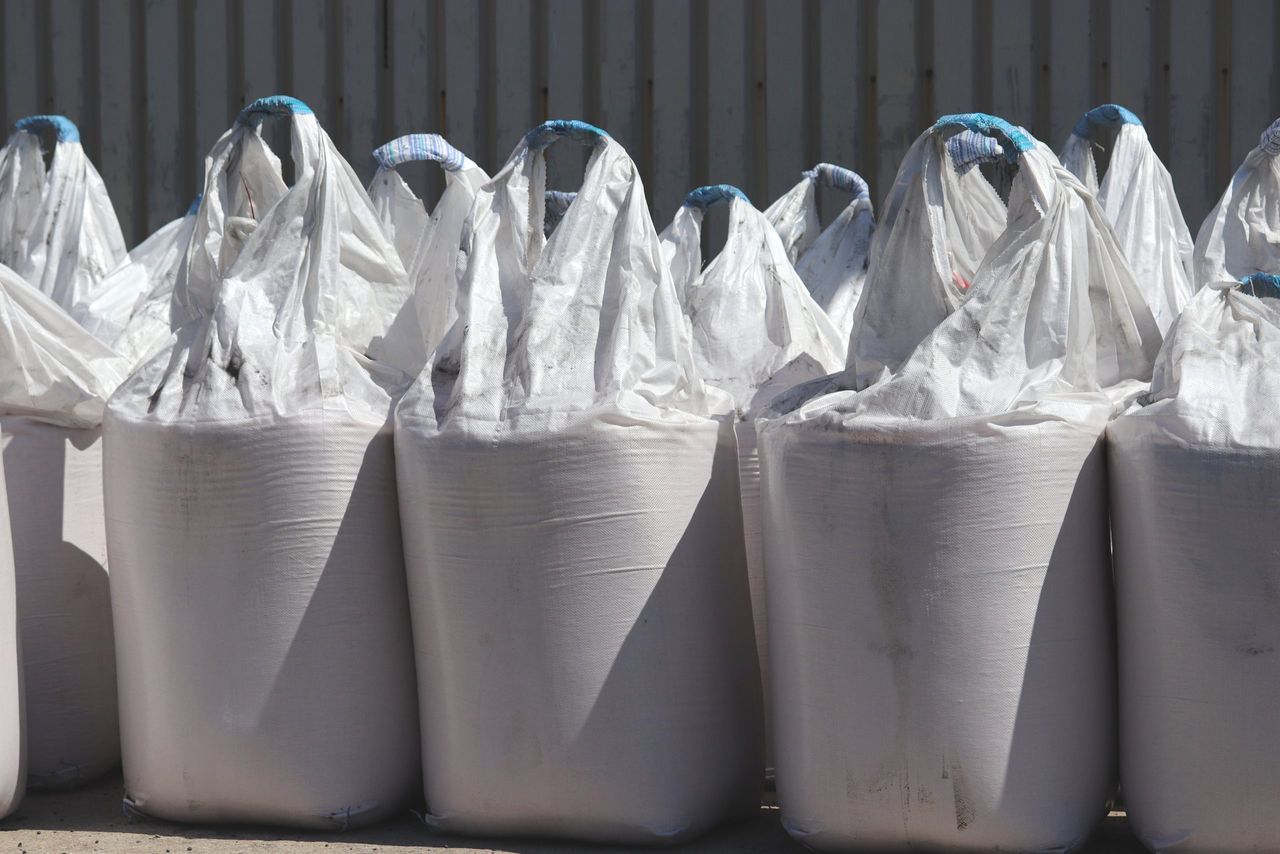
European lawmakers have reached a decision on fertilisers that promises to reduce “unnecessary burdens for businesses” while “fully preserving Europe’s high standards for health and environmental protection”.
EU Council and Parliament negotiators reached a political agreement earlier this week on the commission’s “omnibus VI” package to simplify provisions relating fertilising products, and the classification, packaging, and labelling of chemicals (CLP), as well as cosmetics.
Co-legislators agreed to simplify EU regulations on fertilisers “to support EU farmers and innovation and competitiveness in the EU fertilising products sector without compromising the protection of human health and the environment”.
REACH (registration, evaluation and authorisation of chemicals) is the main EU law aimed at protecting human health and the environment from the risks that can be posed by chemicals.
The legislators agreed not to expand existing REACH requirements for substances used in fertiliser products.
The rapporteur for the Environment, Climate and Food Safety Committee Dimitris Tsiodras said: “With this agreement, we have demonstrated that simplification and a high level of protection can go hand in hand.
“We have reduced unnecessary burdens for businesses, strengthened the visibility of safety information for consumers and delivered greater legal certainty for industry, while fully preserving Europe’s high standards for health and environmental protection.”
Labelling
Co-legislators agreed to allow for more flexible rules for the classification and labelling of chemicals, including easy-to-read labels, wider use of digital labelling, and the easing of advertising rules to reduce costs and complexity, while ensuring consumer protection.
It was agreed that the label elements shall be legible for consumers.
The rapporteur of the Internal Market and Consumer Protection Committee Piotr Muller said: “We welcome this trilogue agreement as a meaningful step forward for European industry."
While Muller acknowledged that the agreement could "have gone further", he said: "Our shared goal was to cut red tape and support growth across the chemical, cosmetics, and fertiliser sectors.
“There are issues we will continue to push in future reviews. But today's outcome is a genuine win for EU competitiveness," he added.
The informal agreement must now be endorsed by both the EU Parliament and Council.
It will then enter into force 20 days after it has been published in the EU Official Journal.