Economist - net margin per litre to dip to 11.5c/L in 2026


As prices continue to drop for November milk supplies, dairy farmers can expect their net margin per litre to dip as far as 11.5c/L in 2026.
This would prove to be a significant contrast from the net margin of 21c/L forecasted for the 2025 season.
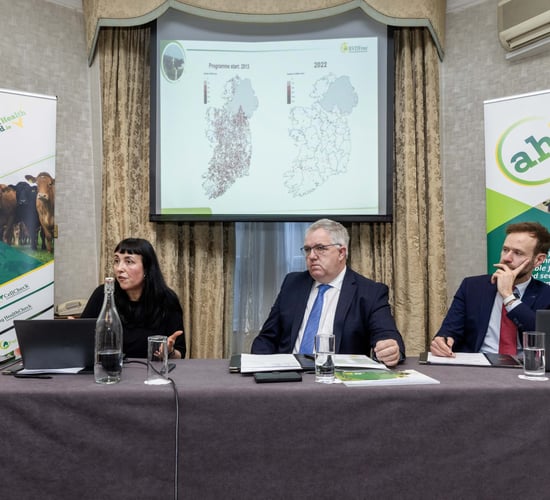
This is according to Teagasc's National Farm Survey senior research officer and economist, Dr. Emma Dillon.
Dr. Dillion, who spoke at the Teagasc Outlook 2026 conference, said dairy farmers are expected to generate a net margin of €2,600/ha in 2025, but forecasted that the margin would fall to €1,500/ha or lower in 2026.
Dr. Dillon said she based this off of a 37c/L base price, or a 42c/L maximum attainable price.
The economist also mentioned that the forecast was based on the assumption of production costs remaining relatively stable at their already 'elevated levels'.
Milk price
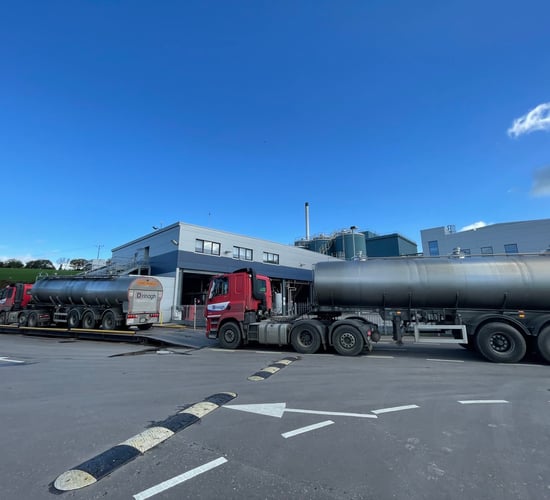
Base milk prices have fallen from an average of 50c/L in January 2025 to an average of 38c/L for November 2025 supplies.
For October, the average farmer's milk cheque was over €13,000 less than what they got for their June supplies.
This will lead to the average dairy farm income potentially falling by 42% to around €80,000 for the year ahead.
Analysts are not expecting any upturn in prices until at least Q3 of 2026, stating that there is still a large surplus in global supplies.
The final auction in the 2025 year for Global Dairy Trade (GDT) saw the average price per metric tonne slip as far as €2,843, with the index now down 25% since its last peak in May.
Farm margins
On a positive note, dairy farmers are in a better position than 2023, with some factors allowing them to stay afloat during poor prices.
For example, farmers are still getting good returns from calf and cull cow sales, with prices expected to remain steady for the foreseeable.
In addition, concentrates seem to be on a very slight decline, which is music to the ears of farmers, considering they are the main expense on the majority of dairy farms.
However, slight increases in fertiliser prices have been forecasted once again, which will end up balancing out farm costs, keeping them relatively stable to 2025 costs.
Teagasc have stated that having a €500/cow cash reserve will carry most farmers over the coming spring.
At the end of the day, volatility will have a big say in what state dairy farming will be in next year, with weather being the main deciding factor.
If weather does not play ball, and we end up with a long winter and/or hard-hitting droughts in the summer, managing cash flow through low milk prices will become extremely tough.