Irish dairy herd grows while British hits record low

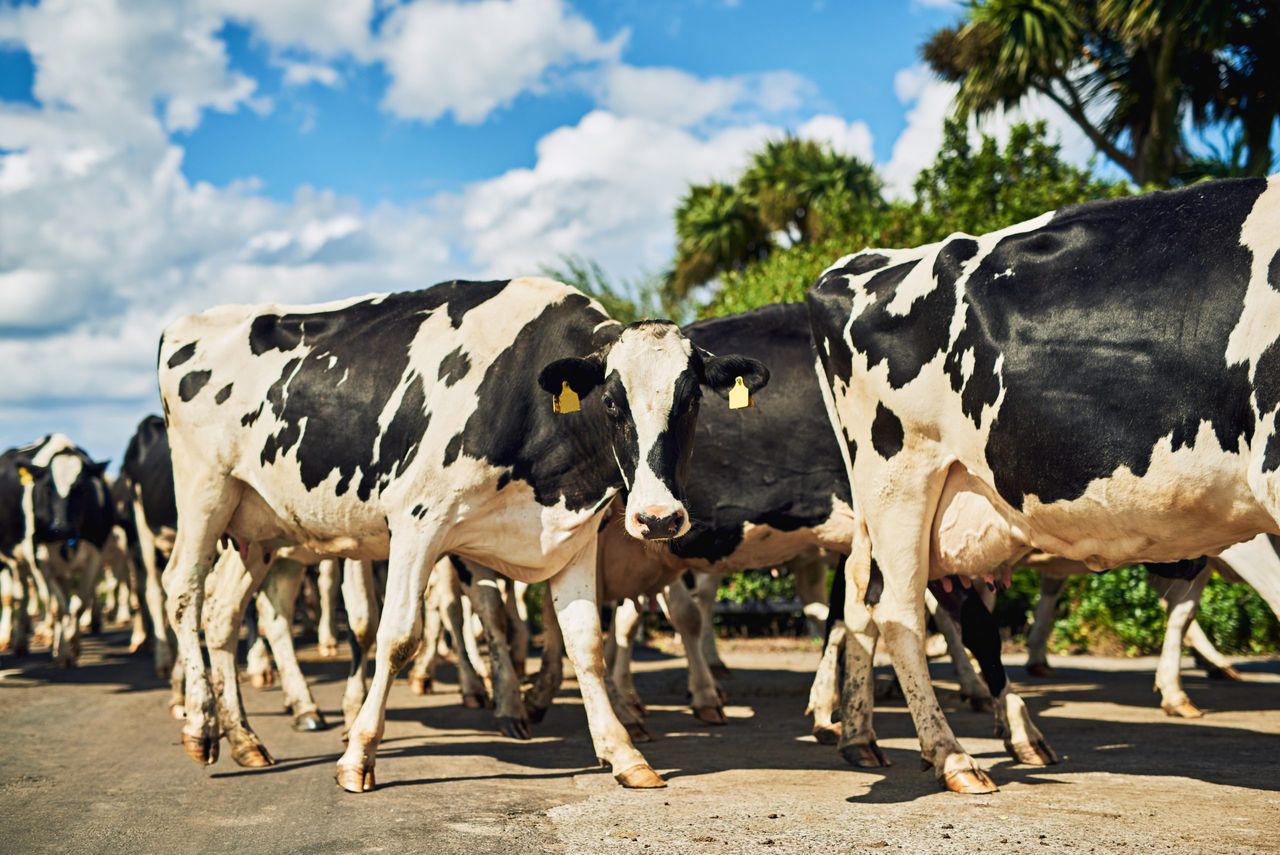
Figures from the Central Statistics Office (CSO) show that the Irish dairy herd grew last year, but it is a different story across the water in Britain.
According to the CSO, the number of dairy cows in Ireland stood at 1,490,400 in December 2025.
That is an increase of 0.6% or 9,100/head from December 2024, albeit still down from the 1,510,900 recorded in December 2023.
Meanwhile, the Agriculture and Horticulture Development Board (AHDB) in Britain has recorded a total of 1,590,000 dairy cows as of April 2026.
That is a 2% decrease on herd numbers since April 2025, when the total figure stood at 1,620,000.
In October 2025, AHDB estimated that there was a total of 7,010 dairy farmers left in Britain to milk those cows.
Meanwhile, data from the CSO shows that there was 15,200 dairy farmers in Ireland in 2023 (estimated to have declined since).
So in essence, Ireland has more than double the dairy producers and 129,000 less cows than Britain, but will it stay that way?
Generational renewal
30 years ago, a herd of 300-400 cows was unimaginable in Irish dairy, now it is relatively common, with some farms even milking double that.
And with an ageing labour force and narrowing margins, it feels as if these larger scale farms will prevail while smaller operations fade away.
We have a good number of young farmers coming through the pipeline, but just as many deciding not to take the reigns and opting for the reliable 9-5 instead.
You could not blame them either, considering where milk price is in comparison to current input costs.
Not knowing how much income you will have on any given year, paired with the struggle of work-life balance and ever growing regulations, the attractiveness of full-time farming is dipping.
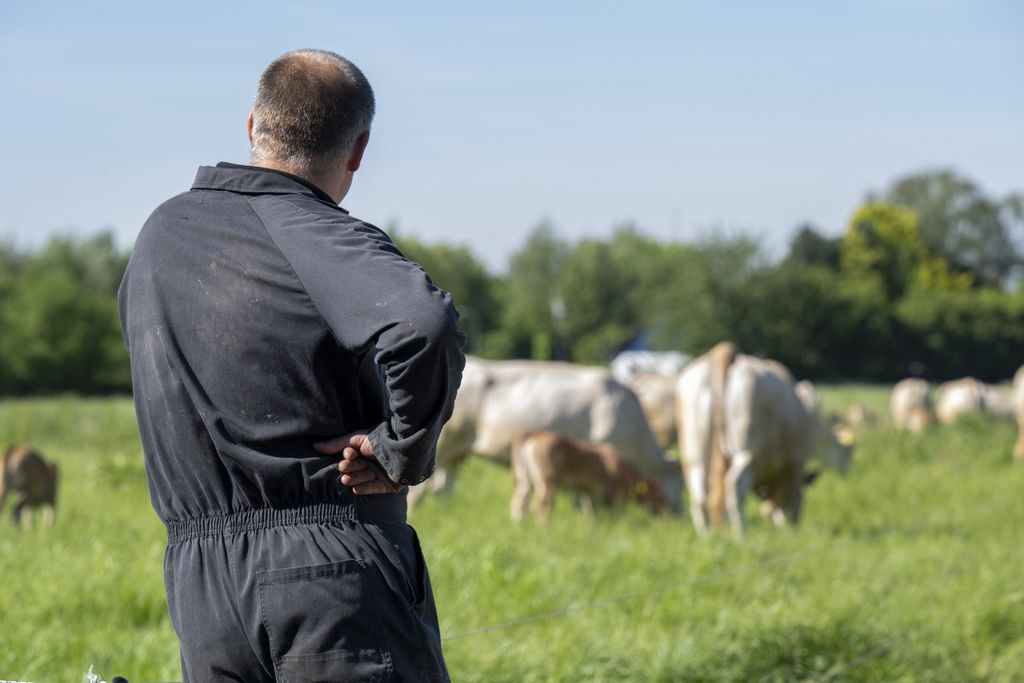
Over 60% of Irish dairy farmers are over 55 years-of-age, many of whom do not have a successor lined up.
Issues with generational renewal often fall back on the farmer themselves too, farming beyond retirement age without ever having a chat about succession.
Many young farmers go to work off-farm for a number of years, making good money and enjoying the work-life balance, but ultimately wishing to return home to the farm.
But it is all too common for the parent who is farming at home to look at them enjoying work and life, and not want to change that with the burden of the farm, which is a simple but frequent miscommunication.
This is why it is important to start the conversation early and appoint a successor, whether that is family or not, plans need to be made.
All parties need to sit down and plan ahead, creating a will and discussing expectations.
It is often the case that this is put off to avoid conflict if there is two potential successors, but there is no point delaying the inevitable as it will only make things worse.
There are not many farmers who can sit still for extended periods, so ensure to plan expectations regarding the retiring farmer's involvement.
Do not shy away from the idea of hiring a mediator or solicitor if needs be to make the process as smooth as possible.