Commission wants new pesticides to arrive 'much faster' to market

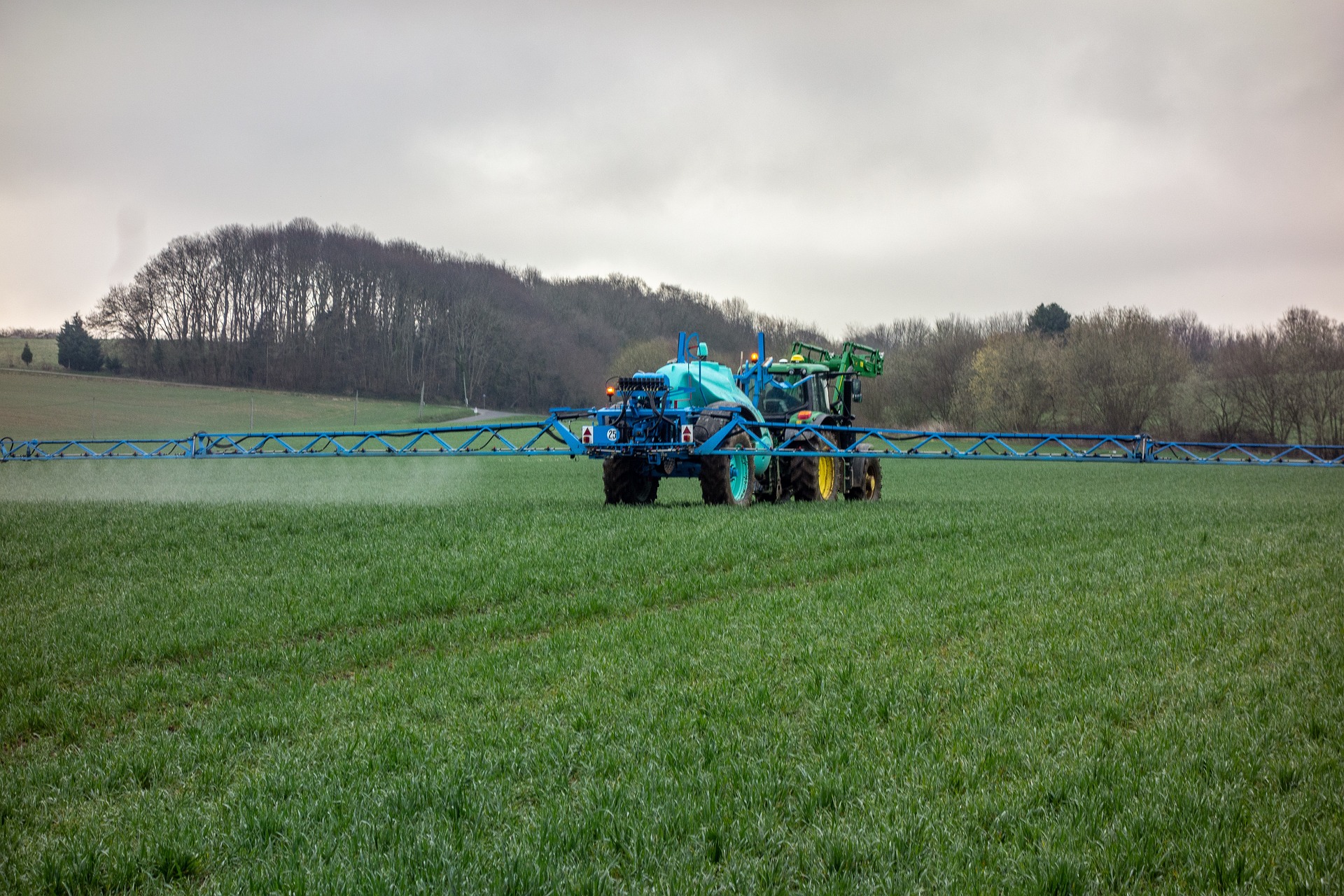
The European Commission is aiming to reduce the time it takes new pesticides to reach the market.
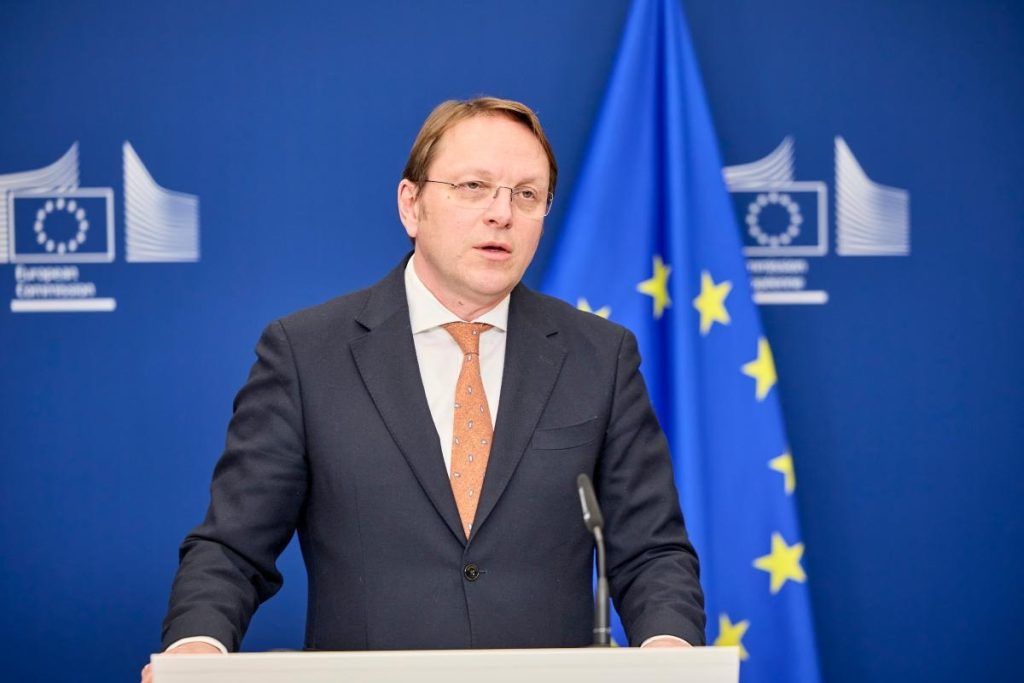
European Commissioner for Health and Animal Welfare, Oliver Varhelyi told a press conference yesterday (Wednesday, January 7) that "currently, it takes eight to 10 years to get a product approved, and this is simply not acceptable".
"We want to fast-track the scientifically most advanced and environmentally least harmful plant protection products, namely biocontrol products.
"This is why we will support this with legislative means — meaning faster procedures and reduced fees for small and medium-sized enterprises (SMEs) applying for marketing authorisations.
"We are making sure that these will be there as alternatives to the products farmers are using, at the time when they need it," he said.
Last month, the commission put forward the Food and Feed Omnibus proposal.
"We propose to the co-legislators (European Parliament and EU Council) to approve the least hazardous pesticides and substances in an unlimited way.
"In an unlimited way, because we see that our farmers are having trouble accessing the very pesticides they need to be able to grow their crops," Varhelyi said.
The commission also wants to remove "the burden on national authorities' procedures when it comes to renewals of these pesticides, by replacing systemic, time-triggered renewals with much more targeted and more scientific procedures".
Pesticides
Commissioner Varhelyi stressed that "if something is banned in the EU, then it is banned in the EU".
However, he added: "Whenever we consider phasing out a product, we have to make sure there are alternatives for farmers - and that these alternatives are not only academically present, but available, effective, and affordable by the farmers, so that they have a real alternative on the ground".
The commissioner said the system of approving maximum residue level (MRLs) or how to regulate reciprocity has to be revised.
He said the commission is working on a draft regulation lowering all maximum residue levels to the technical zero for active substances carbendazim, benomyl, and thiophanate-methyl.
This follows developments in international standards and would ban the import of products containing such residues. This is particularly relevant for imports of citrus fruit, mango and papaya.
Import controls
Commissioner Varhelyi also outlined how the EU is stepping up its actions in relation to import controls, adding "our trade agreements are only as good as their enforcement".
"In order to have real reciprocity, we have to improve our controls. This is why we have already increased external checks by 50% this year.
"This means more EU vets going to third countries to check local compliance with EU standards and rules. This is also why we will increase EU border control points by at least one third," he said

"When these products arrive in the EU, we have to make sure they fully comply with our rules.
"That is why we discussed reinforcing the six most important entry points. The commission is also putting forward proposals to recruit staff and allocate funds to increase capacity.
"We will also start a training programme for 650 national officials to strengthen their skills in this area.
"I do hope that on January 26, together with the Cypriot presidency, when we launch the task force for the actual enforcement of these rules, we will see already results coming in," the commissioner added.