Call for clarity on bill impacting 4,000km of forestry
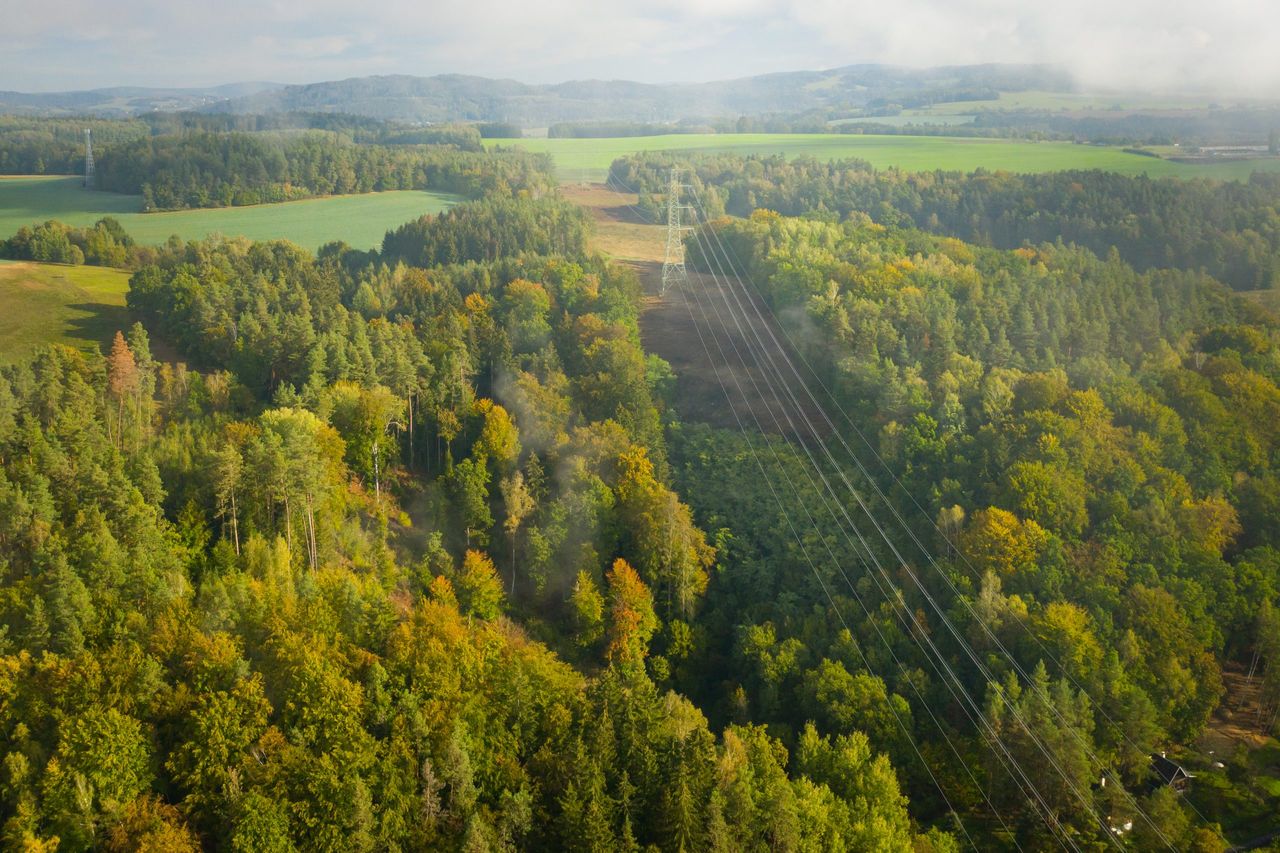
A revised bill to strengthen ESB's powers to increase forestry corridors and management close to its infrastructure has come under fire.
Senator Victor Boyhan, member of the Oirechats committee on agriculture and food, is calling for "clarity on the legislation ESB was currently relying on".
He asked whether "the works are compulsory or voluntary"? and stressed the need "to facilitate professional independent forestry advice, [as well as a] fair and just compensation package”.
“Foresters, landowners and related stakeholders understand the need for properly maintained forestry corridors along electricity lines to protect supply and the reliance of the nation's network.”
However, Senator Boyhan added, there was currently "no mandatory obligation on any forestry landowner to sign an easement with ESB Networks on forestry corridors".
Senator Boyhan told Agriland that “the wider interests of the forestry sector must be protected and fully compensated in any new legislation:
"That’s my focus as legislation is progressing through the Dail and Seanad.”
According to the Department of Climate, Energy and the Environment, the Electricity (Supply) (Amendment) Bill 2026 provides a statutory framework to strengthen the resilience of Ireland's electricity network.
"[The] measures will protect critical infrastructure, improve restoration times, and address vegetation-related risks across almost 4,000km of [the electricity] network in forestry areas," the statement said.
The statement explained that the legislation formed "a key part of the government's response to the lessons arising from Storm Éowyn, and the increased frequency and severity of other severe weather events".
"It will also provide ESB Networks with enhanced powers to proactively manage vegetation and forestry-related risks to critical electricity infrastructure."
Severe weather
Welcoming the government's approval of the bill, Minister for Climate, Energy and the Environment, Darragh O'Brien, said:
"This long-term programme will strengthen the electricity network's ability to withstand, respond to and recover from severe weather events, helping to ensure a reliable supply of electricity for customers across the country."
Agriland previously reported that the new bill aimed to establish minimum corridor widths for specified categories of critical infrastructure as currently outlined under the Forestry Standards Manual.
Critical infrastructure is defined as water mains, gas lines, and electricity lines of varying voltage capacities.
This bill also includes an increase for the minimum centre width corridor for power lines with a capacity of 10kV and 38kV from 20m to 55m.