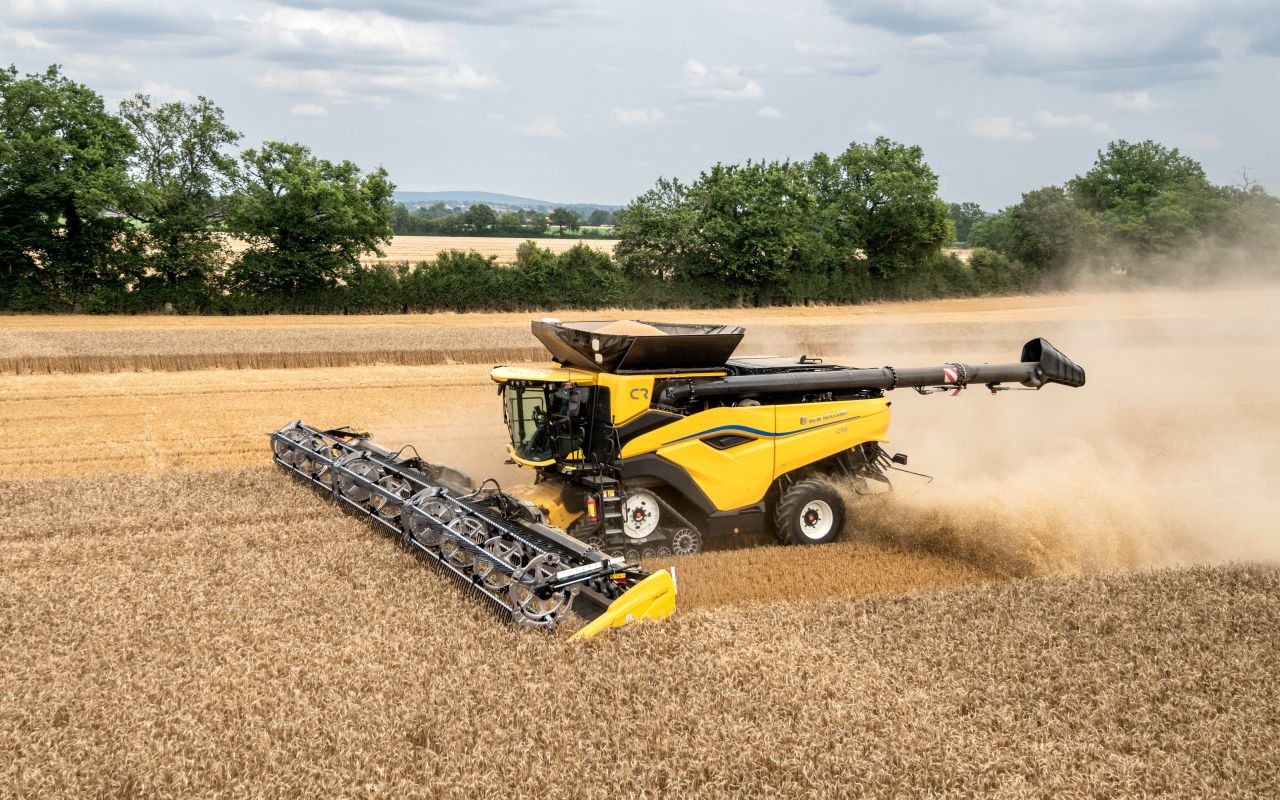
Could land use changes protect agri sector from global shocks?


Circular farming could help insulate Ireland’s farmers and taxpayers from global shocks, according to new studies.
Research from University of Galway shows that "transformative changes" in farming and land use could mitigate "huge risks" facing Ireland’s farmers and taxpayers over the coming decades.
The findings underline how current farming practices and land use patterns "leave Ireland vulnerable to inevitable global shocks", including climate change impacts and trade disruptions.
By making greater use of farm and food by-products, alongside ambitious climate action, circular farming could diversify revenue streams and reduce risk, the researchers said.
Research
The research has been published in two new scientific articles in 'Nature' portfolio journals.
The first study published in 'npj – Sustainable Agriculture' applies alternative solutions to evaluate land use strategies developed as part of Ireland’s Land Use Review Phase 2.
This is a government‑led assessment that examines how Ireland’s land can best meet climate, biodiversity, food production and rural livelihood goals out to 2050.
The second study published in 'Nature Communications Earth & Environment' explored a range of future farming and land use alternatives that "achieved climate neutrality by 2050 and embedded high levels of circularity" – recycling biological resources to supply animal feed and bioenergy generation.
Increasing costs
Both studies illustrated the increasing costs likely to face farmers, taxpayers and consumers if "difficult decisions on subsidy reform and land strategy are kicked further down the road".
They also provided evidence for policymakers and farming stakeholders grappling with difficult decisions on how to balance apparently competing objectives for land.
The research was led by Professor David Styles and Dr. Daniel Henn from the Ryan Institute at University of Galway.
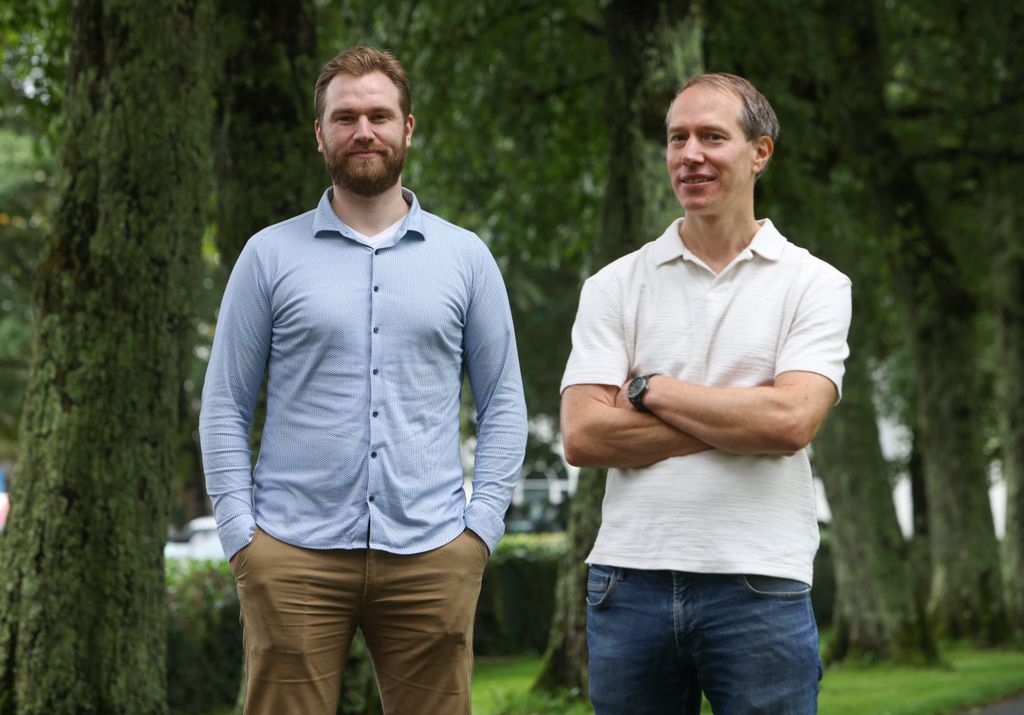
Professor Styles said business as usual "exposes Irish farmers to pollution-pricing in a sustainable future, trade barriers in a regional rivalry future, and climate change-driven productivity losses in a fossil fuelled growth future".
"More diversified farming could help insulate Irish farmers, consumers and taxpayers to this plethora of risks, whilst improving food and energy security and supporting a vibrant agri-food sector less exposed to reputational risk and trade barriers," he said.
In his research, Professor Styles assessed five possible futures drawn from outlooks used by the global climate and economic research communities.
Climate-neutral bioeconomy and alternative protein scenarios include:
- More use of home‑grown peas and pulses;
- Refined protein extracted from grass biorefineries;
- Low-input multifunctional bioenergy crops such as willow;
- High levels of technology adoption;
- More diversified land use.
These scenarios were found to "dramatically reduce emissions" while lowering exposure to future risks.
Exposure to threats
Dr. Henn’s alternative research scenarios included dairy specialisation, food production diversification and national food self-sufficiency.
Advanced circular animal feed included refined by-products from breweries and other food industries, and insect meal produced from insects fed on food waste.
Novel indicators to evaluate sustainability and resilience considered factors such as import dependency, net human-edible protein production, total land requirement for agriculture and bioenergy generation, alongside greenhouse gas emissions and nutrient losses to water.
Findings showed that circular farming strategies could reduce Ireland’s exposure to future market, regulatory and climate threats - through the substitution of imported feed, food, fertiliser and fossil energy.
Volatility
Dr. Henn said increased circular agriculture is "more resilient to future volatility".
"Embedding it within the ambitious land use strategies needed to achieve climate neutrality can create more robust, self-sustaining farming systems that are better able to cope with climate and geopolitical shocks," he added.
Th research involved partners from Munster Technological University, the Norwegian Institute of Bioeconomy Research and Fers Ltd.
Funding support was from the Department of Climate, Energy and the Environment and the Department of Agriculture, Food and the Marine.